
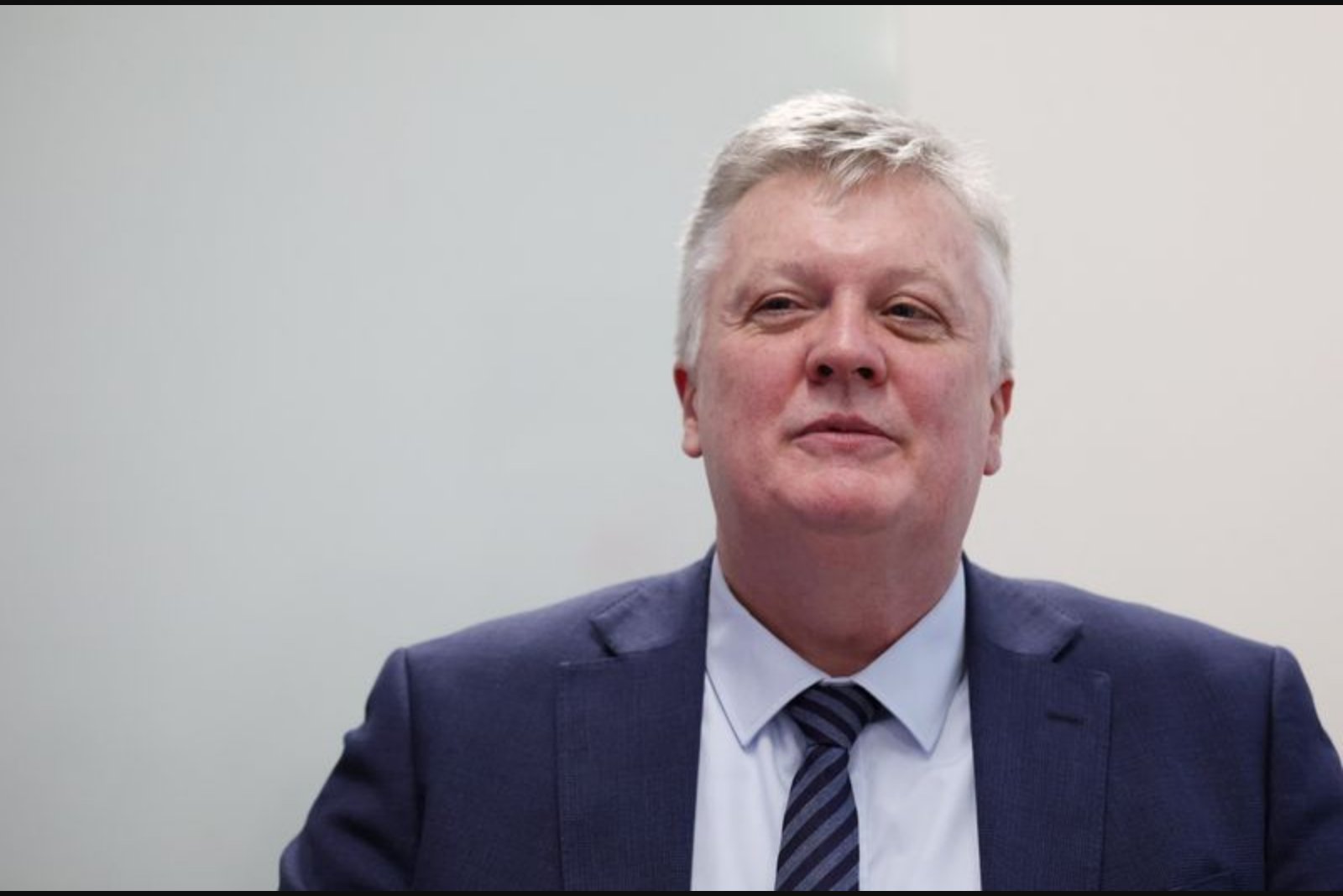
LONDON, April 17 - Bank of England Chief Economist Huw Pill said on Friday that the Bank's foremost objective should be to bring inflation back to the 2% target and keep it there.
Speaking at a roundtable event hosted by Barclays bank in Washington, Pill acknowledged the existence of trade-offs that policymakers must weigh. But he emphasised that, in his view, the priority must be the pursuit and maintenance of the inflation target. "In my thinking, for all the discussion about trade-offs, which is there and we have to take into account, I think the primacy of keeping inflation towards target and keeping it there needs to be emphasised," he said.
Pill also addressed the economic effects of the conflict in the Middle East and the associated rise in energy costs, describing them as a material shock to the economy that falls outside the capacity of monetary policy to fully counteract. He said that if those developments are permanent rather than temporary, the economy will require a substantive adjustment that monetary policy alone cannot provide. "To the extent that’s permanent, so you can’t just smooth your way through it, there will need to be a real adjustment for that, and ultimately monetary policy cannot deliver that real adjustment," he added.
The remarks come after BoE Governor Andrew Bailey underlined the need to consider risks to growth and employment alongside inflation when deciding on rates. Bailey told Reuters on April 1 that the central bank must keep a clear focus on those risks as well as inflation in making its next rate decision.
Key elements of Pill's comments centred on the hierarchy of objectives for monetary policy and the limits of interest rate tools in the face of externally driven price shocks.
- Pill placed the highest priority on steering inflation toward the 2% target and maintaining it there, while recognising trade-offs that policymakers must take into account.
- He described the fallout from the Middle East conflict and higher energy prices as a real shock to the economy that monetary policy cannot fully neutralise.
- Governor Bailey has separately highlighted the importance of monitoring risks to growth and jobs when setting rates.
The comments outline the Bank's internal balance between focusing on inflation control and taking account of broader growth and labour-market considerations in future rate-setting discussions.