
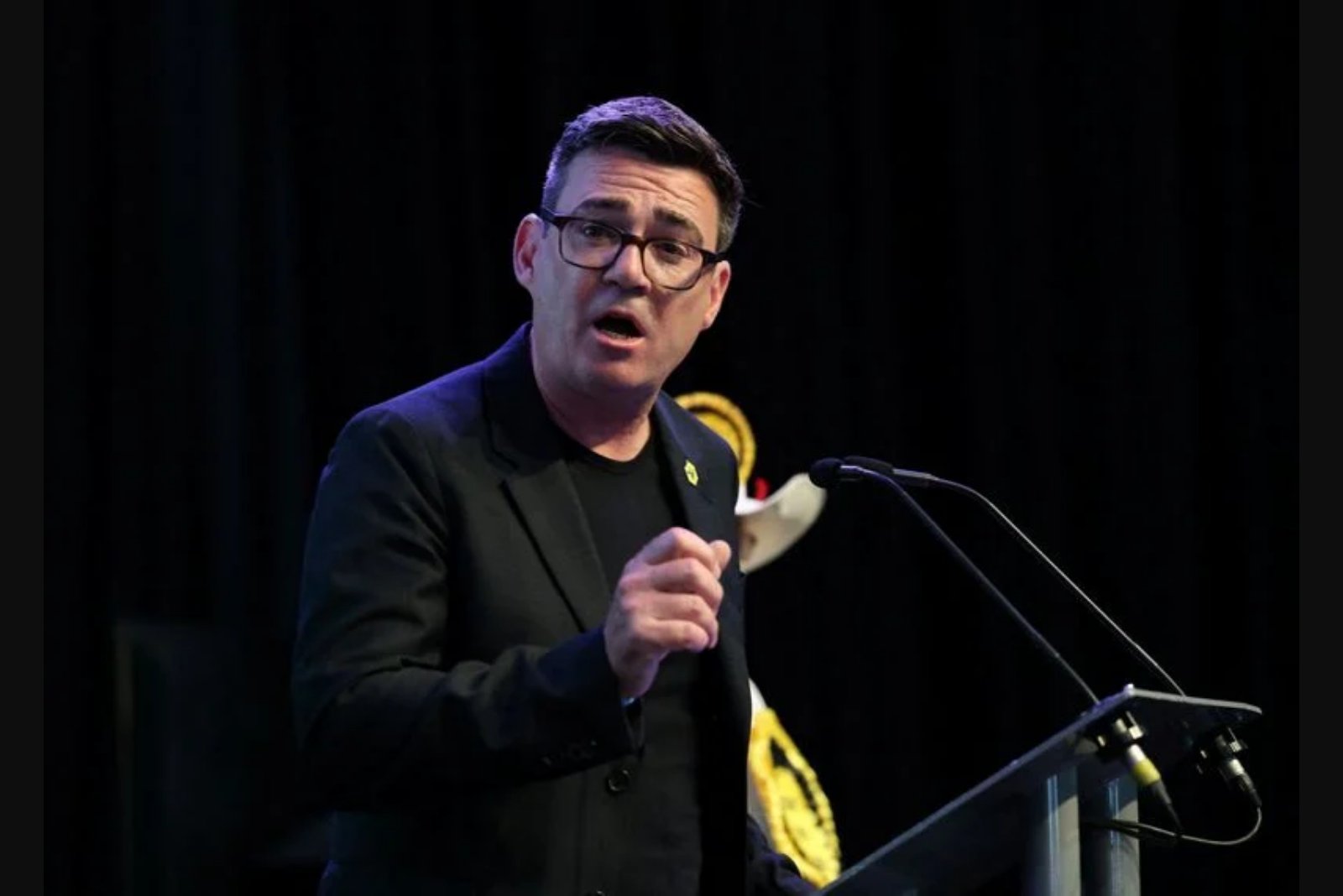
Andy Burnham secured a commanding victory in the Makerfield by-election on Friday, earning 54.8% of the vote to defeat the candidate from Nigel Farage’s Reform UK party, who received 34.5%. The Greater Manchester mayor - widely referred to as the "King of the North" - delivered a result that many within Labour see as a potential catalyst for a change at the party's top.
Burnham used his acceptance remarks to frame the win as more than a local success. He described the outcome as a chance to steer British politics away from polarization. In his remarks he said the victory was an opportunity to "turn away from the path that takes us to a divided, dark politics of the kind we see in the United States." He also called the result a "turning point," adding: "We must hear it, we must act upon it, and we must get it right. There will be no second chance."
The scale of Burnham’s majority in Makerfield - a contest many analysts are already calling among the most consequential by-elections in over sixty years - enhances his standing inside the party. Labour leader Keir Starmer, who has acknowledged he will contest any leadership challenge, promptly congratulated Burnham on the result, posting on X: "Voters chose Labour’s campaign of hope and optimism over division and hate."
Burnham, 56, is a career politician with a platform that has included support for nationalising key public services and sharp criticism of what he calls four decades of failed neo-liberal economics. He has stated he would enter any contest to succeed Starmer, and polls referenced by his supporters indicate he would prevail in a leadership election decided by the party membership - a route some Labour MPs would prefer to avoid.
If Starmer were to step down, Britain would appoint its seventh prime minister in a little over a decade - a turnover figure the party itself cites as the highest in nearly two centuries. The churn reflects voter frustration over living standards, the quality of public services, and the handling of illegal immigration, according to commentary and reactions quoted within the party.
Starmer, 63, has seen his personal ratings sink to levels that party insiders say place him among the least popular British premiers on record. Scandals, policy reversals, and accusations of indecision have all been cited by critics as factors undermining his mandate. Since Labour’s disappointing performance in local elections last month, about a quarter of his parliamentary colleagues have urged him to resign. High-profile departures from his frontbench - including the defence and health ministers - have compounded the pressure.
Despite that, Starmer has vowed to contest any leadership ballot and warned colleagues of the risks associated with a fractious internal fight. Nonetheless, several Labour lawmakers have signalled that Burnham’s commanding showing in Makerfield will force the prime minister to seriously consider whether to step aside to avoid a potentially divisive contest.
Culture minister Lisa Nandy, who is aligned with Burnham, told reporters she expected statements from both men in short order. Nandy said she did not intend to resign from the cabinet but declined to speak for others who may take different positions.
Burnham’s campaign style during the month-long race in Makerfield resembled that of a prime ministerial hopeful. He routinely set out policies he would pursue in a future government and made specific efforts to reassure investors, underlining a commitment to strict fiscal rules. That pledge followed earlier remarks in which he said Britain was "in hock" to the bond markets, a comment that unsettled investors at the time and which Burnham later said had been misrepresented.
Back in London, some Labour MPs view Burnham as a candidate who can blunt the rise of Reform UK, which currently leads opinion polls and poses an electoral threat, according to party sources. Many incumbent Labour MPs worry about losing their seats to Farage’s party in a future general election, scheduled no later than 2029.
Among Starmer’s internal rivals, former health minister Wes Streeting has openly said he will force a leadership contest unless the prime minister sets a timetable for standing down. Streeting described Burnham’s result as confirmation that Labour must change course.
Under current party rules, 20% of Labour’s parliamentary party - the equivalent of 81 lawmakers - must formally back a single challenger before a leadership challenge can be triggered. How quickly or slowly that threshold might be reached remains an open question, and it will shape whether a contest is avoided, negotiated, or fought through the party’s formal processes.
The immediate focus inside Labour will be on timing and tactics: whether Burnham can persuade Starmer to step aside without a potentially disruptive internal election, and whether the party can present a united front against Reform UK in the run-up to the next national vote. The by-election result has clearly shifted the political arithmetic, but the path from victory in Makerfield to a change in Downing Street contains several procedural and political hurdles.