
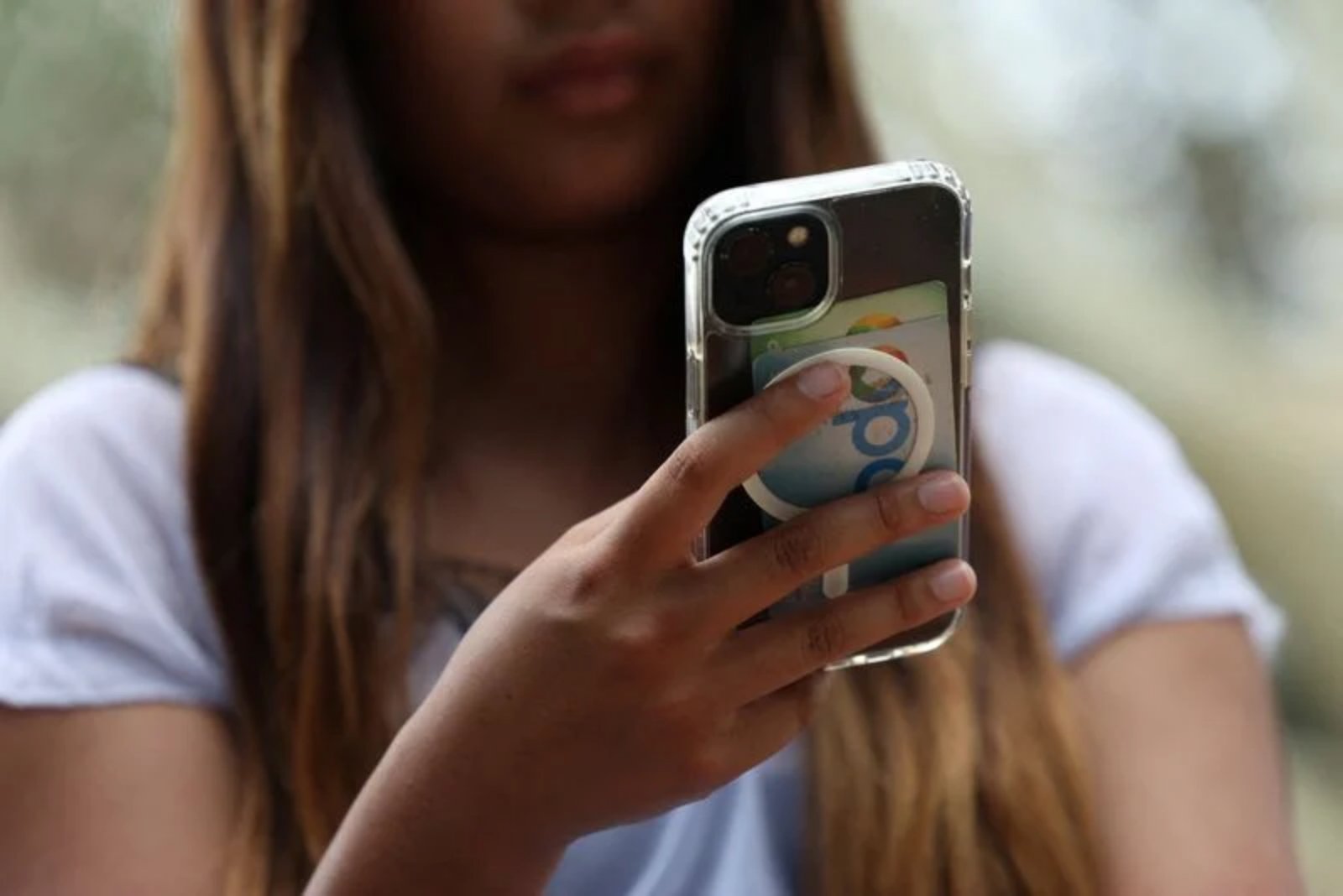
British Prime Minister Keir Starmer said on Monday that his government will ban social media platforms for users under 16 and tighten oversight of gaming and livestreaming services, describing the package as among the most comprehensive online safety measures enacted anywhere.
Speaking at a press briefing, Starmer framed the measures as an expression of national values and a step to protect children while rebalancing the power of large technology companies. "It is clear to me a full ban is the right choice," he said, adding that the policy will alter family conversations and expectations and deliver benefits he listed as increased safety, happiness, time, security, freedom to grow up and opportunity for children.
The ban targets well-known social apps and sites, with Starmer naming services such as TikTok, Snapchat and Instagram. He also said the government would act against gaming and livestreaming platforms that permit children to communicate with strangers. "Is there a situation in the offline world where you would just let your child pair up with a stranger, an adult that you don’t know anything about? No, so we’re taking action on that," he said.
On the timetable, the Prime Minister said the government already holds powers to take the initial steps required to implement a ban. He said the administration expects to publish regulatory measures by the end of the year and to put a formal prohibition in place around next spring.
Starmer positioned the initiative as the next stage in Britain's escalating regulatory pressure on technology firms. In recent years, the government has pushed companies to adopt age verification, adjust algorithms, and take steps to block the circulation of explicit images of children captured on mobile phones. With growing concern about the impact of excessive online time on children’s mental health, Starmer said he moved further after discussions with parents and consideration of Australia’s approach, which introduced a ban for under-16s last year.
Australia enacted its ban last December, blocking platforms including TikTok, Alphabet’s YouTube and Meta’s Instagram and Facebook to under-16s. Since that decision, a number of countries have signaled they are examining tighter regulations as worries mount over social media’s effects on children’s health and safety.
Starmer also faces political pressure at home; the announcement came amid reports he may face a leadership challenge in the coming weeks, and he said the public rightly expects decisive action on this issue.
The government’s consultation ahead of Monday’s announcement was extensive. Officials said they received more than 116,000 responses from parents, industry actors and young people. Within those responses, more than 83% of parents who commented judged the risks of social media to outweigh the benefits, and 90% supported setting a minimum age of 16 to access social media platforms.
Despite apparent public backing, some psychologists and academic researchers have cautioned there is no conclusive evidence that a ban will achieve the desired outcomes. In addition, a group of schoolchildren in London interviewed by reporters described a complex, sometimes conflicted relationship with the technology.
While the government lays out the legal and regulatory pathway and cites parental concern and international precedents, the effectiveness of the measures and their enforcement will remain subject to scrutiny and debate.