
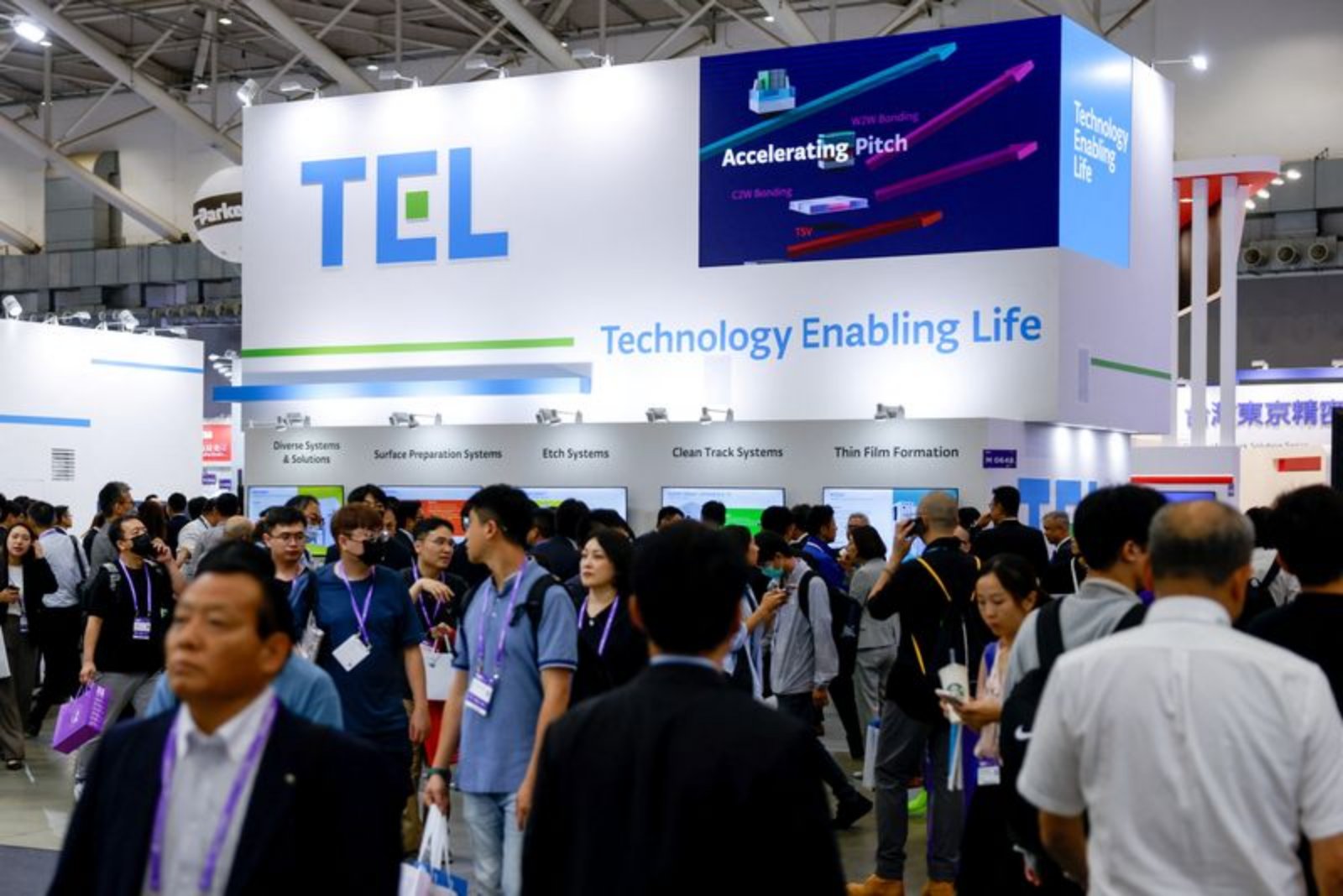
NEW TAIPEI, Taiwan, April 27 - A Taiwan court on Monday imposed a T$150 million fine on the local subsidiary of Japan’s Tokyo Electron and handed down prison sentences to five people convicted in a case over trade secrets linked to Taiwan Semiconductor Manufacturing Co. (TSMC).
The ruling relates to one of Taiwan’s most prominent legal matters involving national security allegations that the defendants unlawfully acquired sensitive information from TSMC, the world’s largest contract producer of advanced chips used in artificial intelligence applications. The court said images of the data had been located on the Japanese company’s cloud system.
Sentences and company penalties
Chen Li-ming, a former employee who had worked at both TSMC and Tokyo Electron, received the stiffest prison term in the case: 10 years. Three other former TSMC employees were each given prison sentences ranging from two to six years. A former employee of Tokyo Electron was sentenced to 10 months in jail, but the sentence was suspended for three years on the condition specified by the court for suspended terms.
The five individuals remain eligible to appeal the verdict, the court added.
Legal findings and statutory violations
The court determined that four of the defendants breached Taiwan’s National Security Act by intending to exploit the trade secrets outside Taiwan. It also noted that images of the protected information appeared on the Taiwanese unit of the Japanese firm’s cloud storage.
Additionally, one defendant was penalised for destroying evidence. The court faulted Tokyo Electron’s Taiwan unit for lapses in supervisory obligations in its ruling, and the company said it "take[s] the court’s finding with the utmost seriousness" in a subsequent statement.
Nature of the information at issue
The court identified the material at the centre of the prosecution as linked to TSMC’s 2-nanometre process technology, which the company describes as the industry’s most advanced in density and energy efficiency. Taiwan classifies semiconductor technologies below 14 nanometres as core national technologies subject to strict legal protection.
The judgement also addressed unauthorised reproduction of another piece of TSMC intellectual property, identified by the court as the A14 process. The court characterised that A14 process material as a more advanced technology that is important for TSMC’s global competitive position.
Pleading and settlements
Four of the five individual defendants entered guilty pleas, as did the Taiwan unit of Tokyo Electron. A second defendant with the same surname Chen acknowledged some charges, including reproducing the information, but did not admit an intent to use the material outside Taiwan, according to the court.
The court said Tokyo Electron and its Taiwan subsidiary had reached a settlement with TSMC. As part of the ruling, it directed that TSMC receive T$100 million from the fine, with the remaining portion to be paid into Taiwan’s state treasury within one year after the ruling becomes final.
Responses from the firms involved
Tokyo Electron stated that neither Monday’s verdict nor the earlier investigation established any organisational involvement by the company or its Taiwan unit, and that investigators had not identified any external leak of the confidential material. The company added that it had agreed with TSMC to adopt enhanced protections for trade secrets and that the case had no effect on its financial results.
TSMC reiterated a policy of zero tolerance for actions that compromise the protection of trade secrets or damage its interests. The company said it would continue to strengthen internal management to safeguard its competitiveness.
Case timeline and prosecutorial actions
The legal matter traces back to August 2025, when prosecutors charged Chen with unlawfully obtaining trade secrets. In December, prosecutors charged the Tokyo Electron Taiwan unit with violating both the National Security Act and the Trade Secrets Act following that indictment.
Market reaction on the day of the ruling included a rise in TSMC’s share price, with the company’s stock closing up 3.7% on the trading session cited by the court documents. The exchange rate cited in related filings was $1 = T$31.4110.
Information in this article is drawn from the court’s public ruling and the statements released by the companies and prosecutors involved. The defendants retain the right to appeal.