
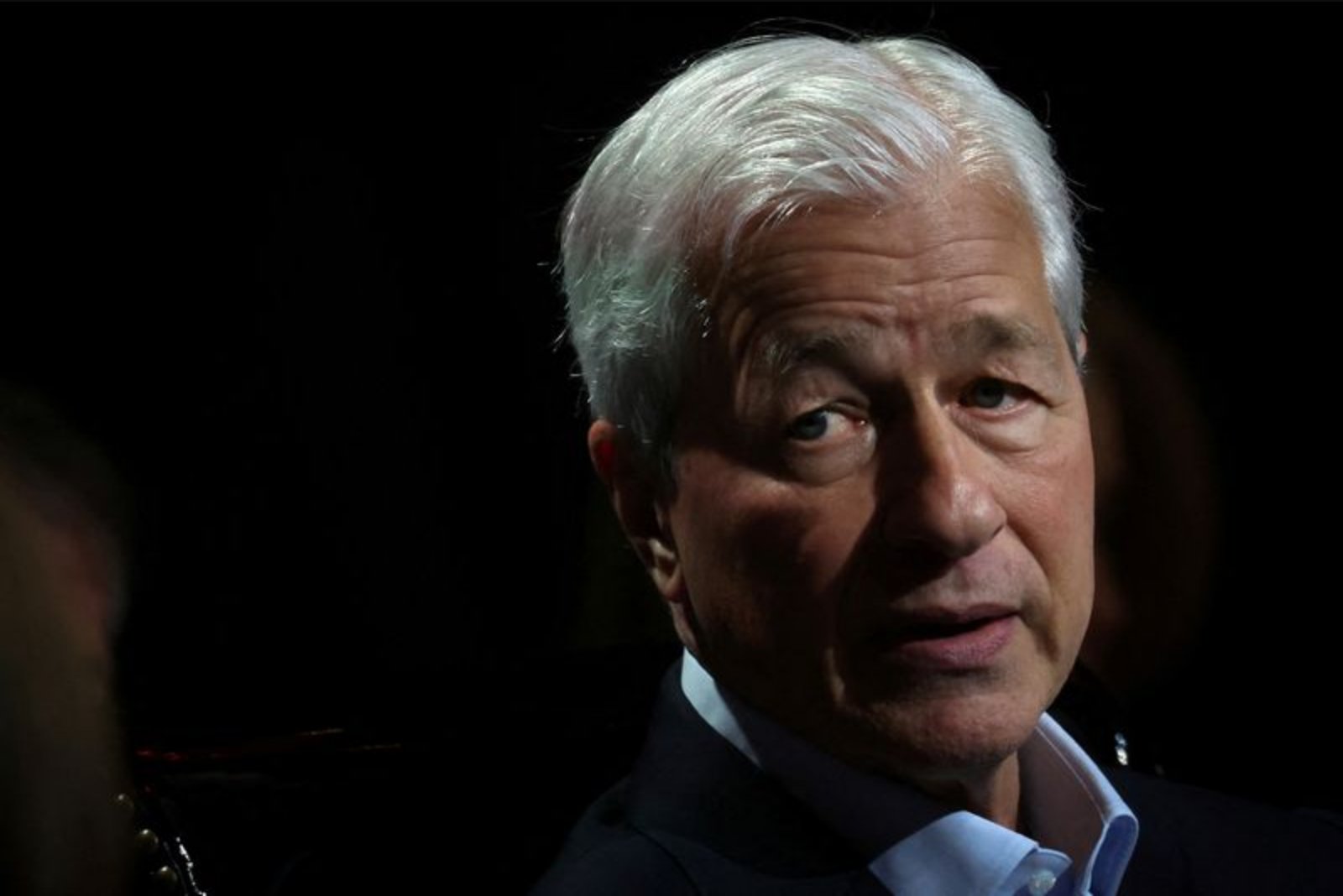
April 28 - Jamie Dimon, chief executive of JPMorgan Chase, told attendees at a conference organized by a sovereign wealth fund that he is not worried about inflation, while cautioning that stagflation cannot be dismissed as a possible worst-case outcome.
"The worst case is stagflation, and I just wouldn’t take it off the list," he said. He went on to outline what he sees as persistent inflationary forces, stating: "And my view is that there are a lot of inflationary things out there, including the Iran War, the re-militarization of the world, the infrastructure needs of the world, and our deficits."
Dimon reiterated language he used in a shareholder letter dated April 6, where he warned that the war in Iran carries the risk of oil and commodity price shocks. He said those shocks could make inflation sticky and push interest rates higher than current market expectations.
Despite those cautions, Dimon said he is not worried about the U.S. economy as a whole. He did, however, identify two principal categories of risk that could impair economic prospects: cyber attacks and geopolitical developments, including the wars in Iran and Ukraine.
"The bad guys can use cyber and they’re going to get stronger, more powerful in terms of finding vulnerabilities," he said, underlining the threat that cyber intrusion poses to businesses and infrastructure.
On geopolitics, Dimon singled out the conflicts in Iran and Ukraine as among the biggest risks for the economy, a reflection of his view that military escalation and related disruptions can feed through into commodity markets and financial conditions.
When asked whether he might pursue the U.S. presidency in the future, Dimon, who has led JPMorgan for two decades, responded with humor and a measure of finality. "If you were to anoint me, I’d be happy to do it. But there’s no way I’d get through primaries, and plus I love what I do."
He has faced periodic speculation about a potential presidential run in the past, a notion he has consistently downplayed.
Context note: The comments reflect Dimon’s assessment delivered at the conference and echo warnings he previously set out in his April 6 shareholder letter about the inflationary and rate implications of conflict in Iran.