
Labour tensions in Australia’s resources industry have escalated, increasing the prospect of coordinated industrial action at major mines and ports and adding to operational costs that companies say are undermining the country’s investment appeal. Mining unions have stepped up collective action since a 2022 law expanded their powers to negotiate multi-employer wage deals, seek flexible working arrangements and pursue industry-wide strikes.
Official data show working days lost to industrial disputes climbed in the December quarter of 2025 to the highest level since 2022. Workers are pushing for pay increases and stronger job protections at a time when Australia is coping with about 4% inflation and three interest rate hikes over the past year.
Recent strike activity disrupted shipments from the Ichthys LNG project in June - a facility that supplies roughly 10% of Australia’s LNG output - before operator Inpex reached an agreement with unions. Attention now turns to Shell’s Prelude floating LNG vessel, which is entering the next round of wage negotiations. If Shell does not secure a new employment deal, unions may apply to Australia’s labour umpire to authorise strike action.
Observers note that oil and gas workers began reorganising into unions before the 2022 law changes and engaged in protracted pay campaigns in 2022 and 2023 to secure substantial wage gains.
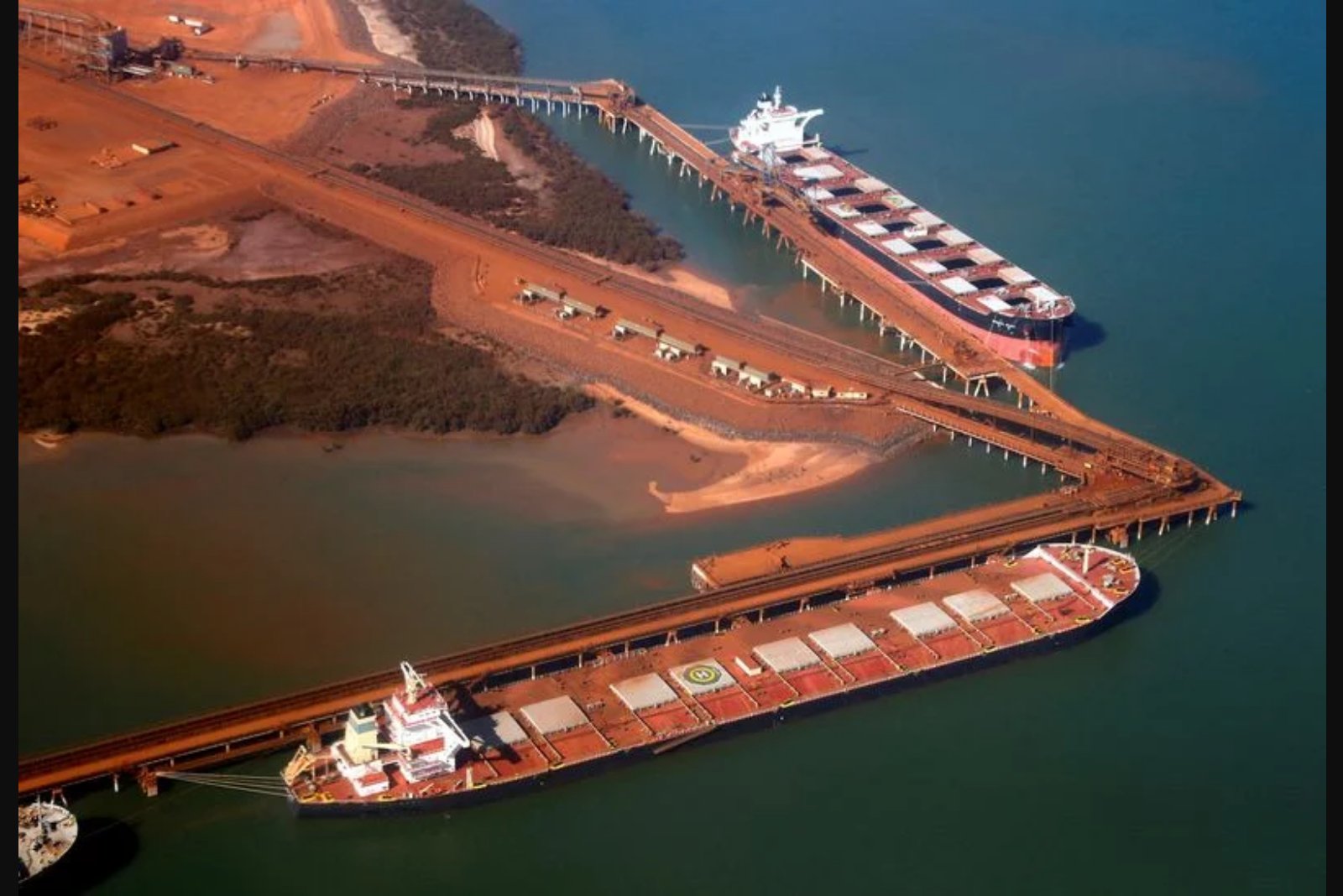
In the iron ore sector, unions have increased pressure on operations at Port Hedland, a critical export hub that serves multiple miners including BHP, Fortescue and Hancock. Port Hedland handles around $150 million of iron ore shipments each day, highlighting the scale of potential disruption to Australia’s top export earner. Unions have signalled they may pursue coordinated action if a deal is not finalised at their next scheduled meeting on July 7.
Company officials have warned of broader consequences if elevated costs and falling productivity are not addressed. Geraldine Slattery, head of Australia for BHP, told a conference in March that the country could be at risk of "losing its status as a top mining destination" unless those issues are tackled.
Analysts point to the pay level of Australian mine workers as a factor in how companies will respond to further wage pressure. "If increasing industrial action leads to higher wages, then BHP and Rio will continue to automate as much as possible," said Jon Mills, an analyst at Morningstar.
For businesses that rely on smooth export logistics and steady production - notably large miners and energy producers - the combination of higher labour costs and more frequent industrial disputes presents a direct challenge. Ports, mine operations and LNG facilities are particularly exposed to operational interruptions that ripple through shipping schedules and revenue flows.
Context limitations - The article reports the facts available about recent industrial action, legislative changes and specific disruptions. It does not attempt to predict outcomes beyond what has been stated by those quoted or referenced.