
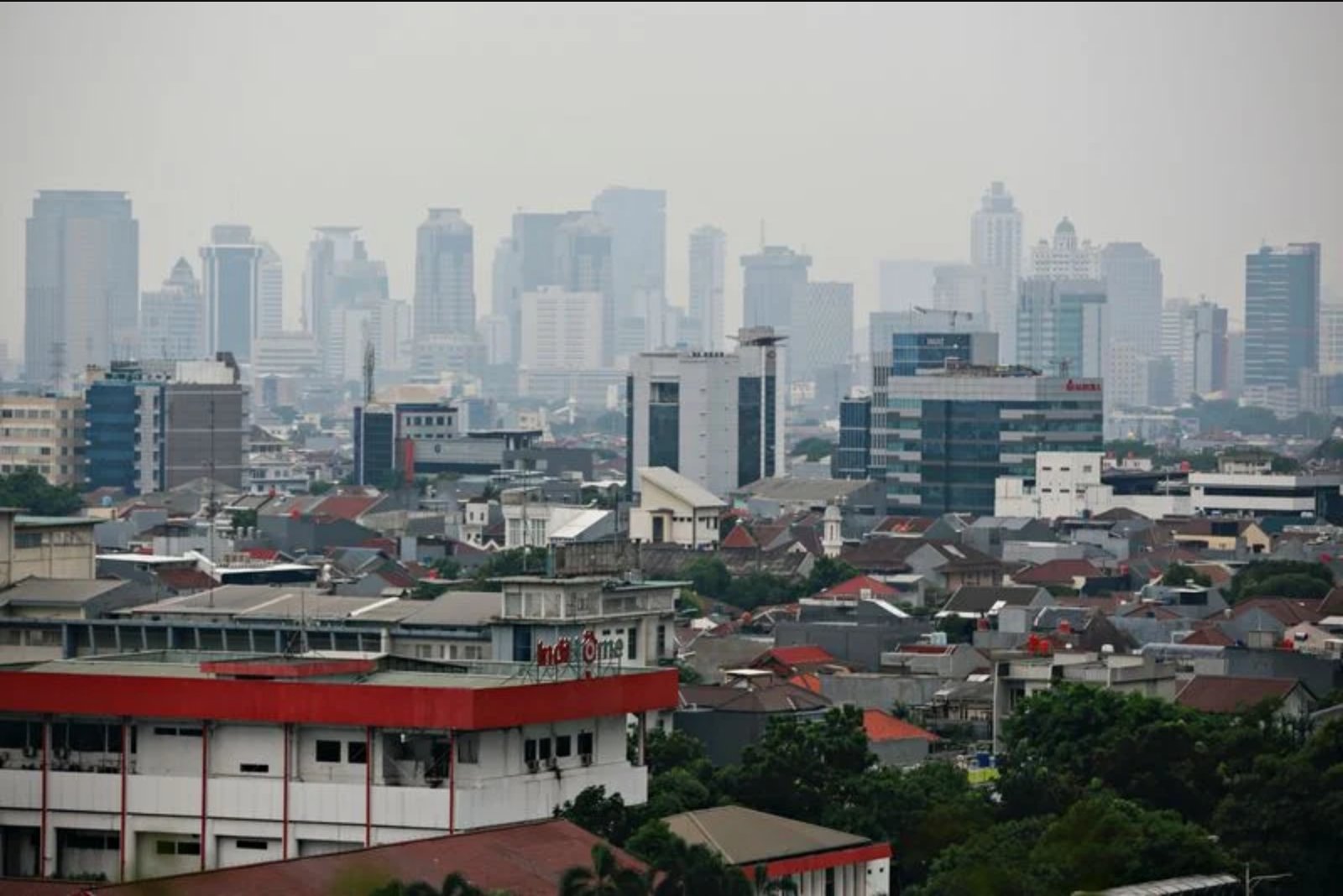
MSCI has postponed its assessment of whether to reclassify Indonesia from an emerging market to frontier status, moving a potential downgrade decision out to November and allowing the country to retain its emerging market designation for now. The extension effectively gives Jakarta an additional five months to show that a suite of reforms unveiled since January is being implemented in a way that meaningfully improves market transparency.
Reform package and intent
Authorities in Jakarta have targeted practices that market participants and regulators see as creating artificial upward pressure on share prices. To make it harder to inflate quotes through trading among related parties - a practice brokers refer to as "goreng-goreng saham" or "stock frying" - regulators have moved to increase the minimum free float for listed companies from 7.5% to 15%.
Free-floating shares are defined as those available for public trading and not held by core insiders, long-term strategic holders or state bodies. The rationale behind the change is that a larger pool of publicly tradeable shares should reduce the scope for coordinated trades among concentrated holders to distort prices.
In parallel, Jakarta has lowered the disclosure threshold so that any shareholder owning at least 1% must disclose their stake, down from the previous 5% trigger, and it has broadened the classification of shareholder types. The stock exchange also published a list in April highlighting stocks with concentrated ownership, a step intended to increase visibility on potential coordinated trading activity.
Regulators have tightened minimum capital requirements for securities firms and certain asset managers to reduce risks that could facilitate market manipulation. Officials also plan to accelerate the demutualisation of the Indonesia Stock Exchange - a change that would shift the bourse from a member-controlled, self-regulatory structure to a publicly owned corporate structure aligned with regional peers and, officials contend, better governance standards.
To address leadership and supervision concerns, Indonesia has appointed a new head of the financial regulator, a new chief equity market supervisor and a new chief executive for the stock exchange. MSCI's initial warning in January precipitated mass resignations of senior officials, after which the new leadership slate was installed.
Why MSCI extended monitoring
MSCI described the measures as a "step in the right direction," but it stressed the need to see consistent execution and sustained results. The scale of the free-float increase means full implementation will be staged. Regulators have placed companies into three compliance brackets with implementation windows ranging from one to three years, based on market capitalisation as of March 31. As a result, the practical impact of the free-float rule cannot be fully assessed until next year.
Demutualisation is likewise a process that will take time to complete and demonstrate its effects. Success is not automatic: increasing the free float requires companies to offer more shares to the market, and in a market described as relatively shallow this may see limited uptake. Foreign investors may also remain cautious in the face of President Prabowo Subianto's populist policies, which some market participants view as a source of policy uncertainty.
The Indonesia Stock Exchange (IDX) estimates that if no company chooses to delist voluntarily, approximately 187 trillion rupiah in shares - around $10 billion - would have to be offered to bring all listed firms into compliance with the 15% free-float requirement as of end-2025.
Why the stakes are high
Foreign capital flows are central to Indonesia's growth ambitions and currency stability. The $1.4 trillion G20 economy has allowed domestic institutional investors - including insurers and pension funds - to raise their allocations to equities to help absorb additional supply. The government's sovereign wealth vehicle, Danantara Indonesia, could also raise its stock holdings and potentially become a shareholder of the bourse following demutualisation.
Despite those measures, the market has already suffered since MSCI first signalled concern in January. About $370 billion of market value has been eroded on the IDX, placing Indonesia among the worst-performing exchanges globally over the period. MSCI's possible reclassification would force passive funds tied to its benchmarks, as well as mandates barred from holding frontier market stocks, to sell Indonesian equities. Goldman Sachs estimates such mandated outflows could reach as much as $13 billion. Active managers, too, would likely pare back exposure if the downgrade occurs.
The selloff has been compounded by currency weakness. The rupiah has recorded successive record lows amid investor concern over the fiscal effects of the Middle East war on Indonesia's budget - already strained by costly populist programmes and policy uncertainty under President Prabowo. The exchange rate referenced in official communications is ($1 = 17,953.0000 rupiah).
Outlook and constraints
With the MSCI decision deferred to November, Jakarta's immediate task is to convert announced rules into verifiable market outcomes - higher freely tradeable shares, improved disclosure practices, a clearer ownership landscape and tighter capital standards for intermediaries. The government and regulators will also need to show that demutualisation proceeds in a manner that enhances governance and supervision.
How domestic institutions respond to the supply of shares, whether foreign investors regain confidence, and the pace at which the demutualisation and disclosure reforms produce observable effects will determine whether the market retains its emerging market status beyond MSCI's next review.