
WUHU, China - Chery, the country’s leading auto exporter, is repositioning itself for broader international reach by blending two distinct industry archetypes - the reliability associated with Toyota and the technological appeal of Tesla - according to Chairman Yin Tongyue.
Speaking at Chery’s global headquarters in the eastern city of Wuhu, Yin said the automaker has adopted what it calls a "double T" strategy - "Toyota plus Tesla" - designed to deliver vehicles that combine the long-term quality expected by mainstream buyers with the advanced features that attract younger, technologically minded consumers.
That dual focus underpins Chery’s near-term production and market plans. The company is already building the Ebro brand in Spain through a local joint venture at a former Nissan plant in Barcelona and is considering enlarging that capacity, Yin said. He described the Spanish operation as performing "very good[ly]" and said Chery is contemplating boosting output there and potentially exporting from Spain to other markets.
At the same time, Yin emphasized that relying on large-scale shipments from a single production country to many others is not a sustainable long-term model. Instead, Chery wants to increase local manufacturing in target markets, and it is actively exploring opportunities to share production facilities with European automakers. While Yin did not disclose specific countries under consideration or name potential partners, he said the company is open to arrangements that could include sharing profits and models.
Those moves come amid a period of rapid global expansion for Chery. The automaker’s worldwide sales have climbed sharply in recent years - nearly quadrupling between 2020 and 2025 - and reached 2.8 million vehicles in the most recent year, an increase of roughly 8% from the prior year based on industry data cited by the company.
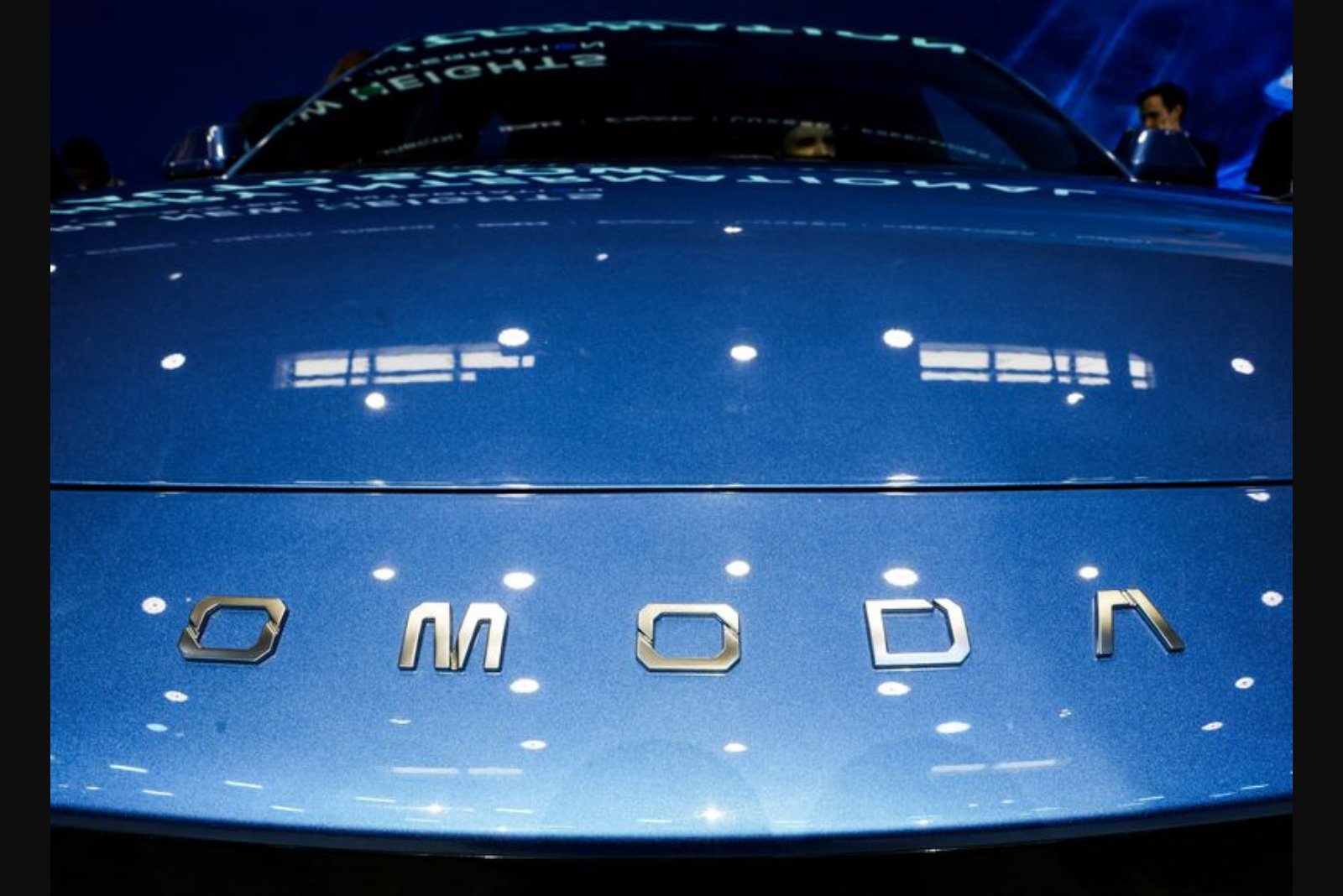
Chery has broadened its international footprint through new brands and model launches. In 2023, it introduced two international marques - Omoda and Jaecoo - which together accounted for 380,000 sales last year. Company communications conveyed an ambition to reach combined sales of 1 million vehicles for these brands by 2027.
The automaker recently hosted an international business summit in Wuhu that drew around 4,000 attendees, including overseas dealers and suppliers, according to company representatives. Among Chery’s portfolio, the Jaecoo 7 SUV has posted notable success in some markets and was reported as Britain’s top-selling car in March.
SUVs dominate Chery’s output - 2.3 million of the 2.8 million vehicles sold worldwide last year were sport utility vehicles - and the company is now developing smaller models to expand its lineup and better match preferences in other regions, particularly in Europe where smaller cars are more popular than in China.
Domestic competition remains intense. Yin acknowledged a brutal price war in China, where more than 100 auto brands compete, and suggested an industry consolidation is likely. "In a couple of years, maybe a very few can survive and be healthy," he said, indicating Chery believes a shakeout is imminent.
Chery’s rise is part of a broader trend of Chinese makers, including BYD and Geely, that have been disrupting the global market by offering advanced electric vehicles at price points that challenge traditional automakers. The company’s efforts to combine perceived quality with technological appeal are aimed at securing long-term customer loyalty while attracting new buyers.
Operationally, the emphasis on local production and collaborative manufacturing in Europe signals a strategic shift from export-heavy tactics toward more regionally anchored supply chains. Yin framed potential European partnerships as flexible arrangements - "We can share profits, we can share models" - though he did not provide further detail on structure or timing.
Chery’s product and production strategy underscores its dual objective: retain momentum in global sales growth while adapting offerings to the preferences and manufacturing realities of overseas markets. How rapidly those European manufacturing partnerships materialize, and whether expanded Barcelona capacity becomes a significant export hub, remain open questions based on the company’s commentary.
Summary - Chery aims to combine durable product quality with advanced technology in a "double T" strategy as it expands production in Spain, seeks shared manufacturing arrangements in Europe, and broadens its model range beyond a heavy SUV focus. The firm has increased global sales markedly and is targeting further growth for its international brands.