
Stock Markets April 22, 2026 06:33 AM

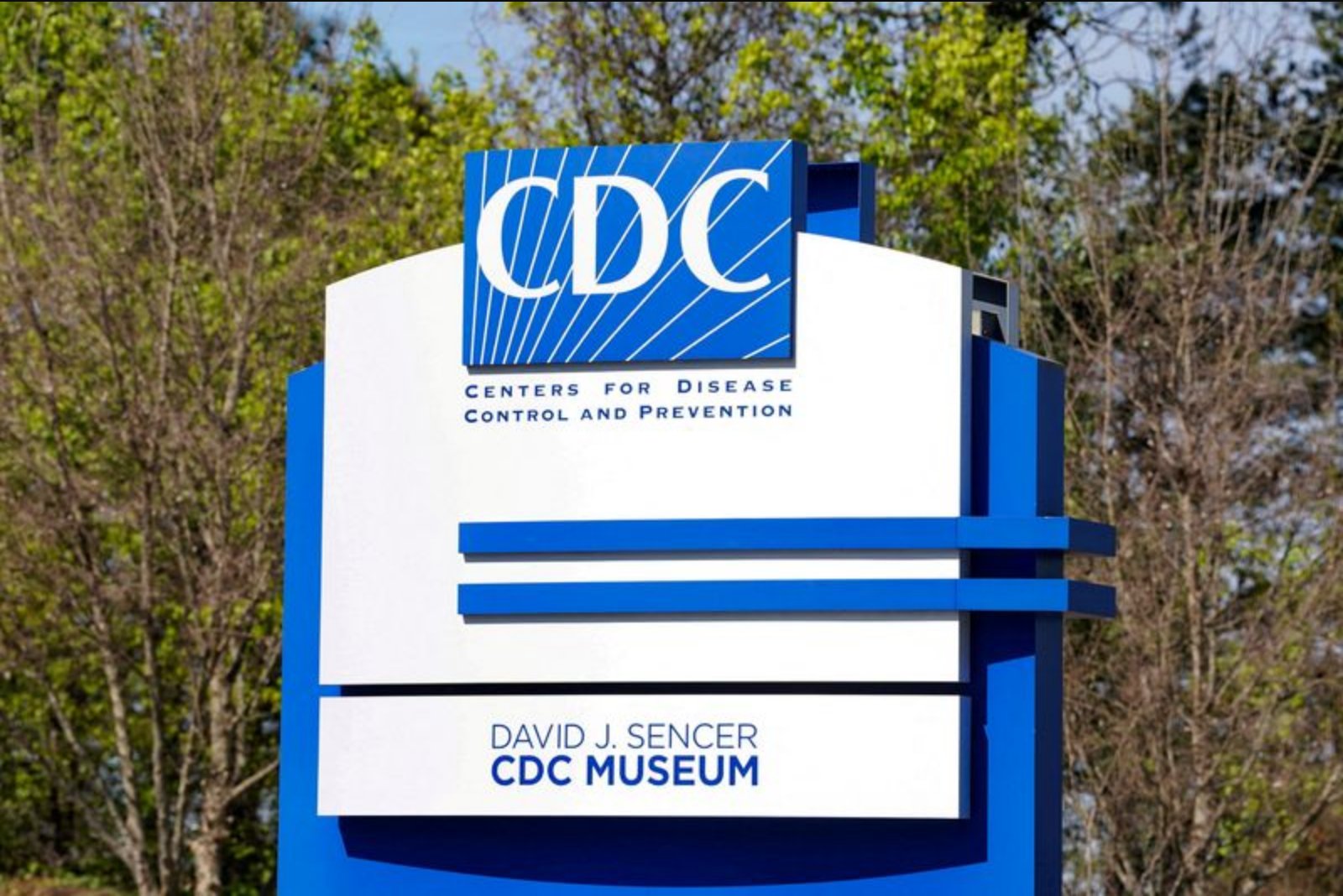
CDC Withholds Vaccine Effectiveness Report From Agency Journal

A delayed internal analysis showing reduced hospital and ER visits for healthy adults this winter has been barred from publication

By Jordan Park
CDC Withholds Vaccine Effectiveness Report From Agency Journal

A previously delayed internal CDC report indicating COVID-19 vaccines halved emergency department visits and hospitalizations among healthy adults this past winter has been blocked from appearing in the agency's primary scientific journal. The report's findings could not be independently verified. The Department of Health and Human Services did not respond to a request for comment. Health Secretary Robert F. Kennedy Jr. has a record of challenging vaccine safety and efficacy and oversaw a September advisory change that narrowed vaccine guidance to shared decision-making with a healthcare provider.

Key Points

  • An internal CDC report assessing COVID-19 vaccine effectiveness this past winter was blocked from publication in the agency's main scientific journal - the report had previously been delayed by the CDC director.
  • According to the report's account, vaccines reduced emergency department visits and hospitalizations among healthy adults by about 50% during the winter period covered; those findings have not been independently verified.
  • Health Secretary Robert F. Kennedy Jr.'s record of questioning vaccine safety and efficacy, and a September advisory change toward shared decision-making on COVID shots, form the policy context for the publication decision.

A report that had earlier been delayed by the head of the U.S. Centers for Disease Control and Prevention - and which assessed the effectiveness of COVID-19 vaccines during the recent winter season - has been prevented from being published in the agency's flagship scientific journal, according to media accounts.

Within the report, the vaccines were described as reducing emergency department visits and hospitalizations among healthy adults by approximately half over the past winter, based on information released in the reporting. The details of these findings could not be independently verified.

The Department of Health and Human Services did not reply to a request for comment about the publication decision or the assessment of vaccine effectiveness.

Oversight of federal vaccine policy by Health Secretary Robert F. Kennedy Jr. has drawn criticism from public-health experts, who have pointed to his repeated public questioning of vaccine safety and efficacy. That record of skepticism has been a focal point in discussions of his role setting federal vaccine guidance.

Under Kennedy's leadership, a panel of vaccine advisers in September withdrew a broad recommendation for COVID-19 vaccination and instead recommended that COVID shots be offered through a shared decision-making approach between a patient and a healthcare provider. That advisory change narrowed the official posture on universal recommendation and shifted emphasis to individualized discussion with clinicians.

The decision to block publication of the internal effectiveness analysis comes against that backdrop of contested federal vaccine policymaking, and it has left public and professional observers with limited official documentation available in the agency's peer-facing journal. Because the underlying report has not been published in the journal, its methods, data sources, and detailed analyses are not available for public or scientific scrutiny in that venue.

Given the absence of a published paper in the agency's scientific outlet and the lack of an official response from HHS, stakeholders outside the agency remain reliant on the summaries and accounts that have circulated in reporting. The situation highlights ongoing tensions between internal agency analyses, leadership decisions about publication, and the public visibility of vaccine effectiveness evidence.

Risks

  • Limited transparency - With the report barred from the agency journal, clinicians, researchers, and markets lack access to the full methods and data to evaluate the vaccine effectiveness claims - impacts public health, healthcare services, and related biotech and pharmaceutical sectors.
  • Policy uncertainty - The Health Secretary's history of challenging vaccine consensus and the advisory shift to shared decision-making create uncertainty for federal vaccine policy and reimbursement pathways - impacts public health agencies, hospital administrators, and vaccination program planners.
  • Information verification - The reported findings have not been independently verified and HHS did not comment on the record, leaving decision-makers to act without access to peer-reviewed documentation - impacts healthcare providers, insurers, and firms involved in vaccine distribution.

More from Stock Markets

Crest Nicholson Rating Cut to Hold by Deutsche Bank After Trading Update Signals Weaker Demand Apr 22, 2026 Corporate forecasts dented as Middle East conflict drives up costs and disrupts supply chains Apr 22, 2026 Axe Compute Secures $260M, Three-Year Deal for 2,304 NVIDIA B300 GPUs as Stock Doubles Apr 22, 2026 Google Centers Enterprise Strategy on AI Agents as Cloud Push Intensifies Apr 22, 2026 SiriusXM Named Exclusive U.S. Seller for YouTube Audio Ads Apr 22, 2026