
Stock Markets June 8, 2026 07:18 AM

Campbell’s Sticks to Annual Forecast as Consumer Caution Dampens Sales

Weak U.S. consumer spending and shifting buyer preferences pressure packaged-food revenues despite cost savings and supply-chain gains

By Priya Menon
Share
Twitter Reddit Facebook LinkedIn
CPB

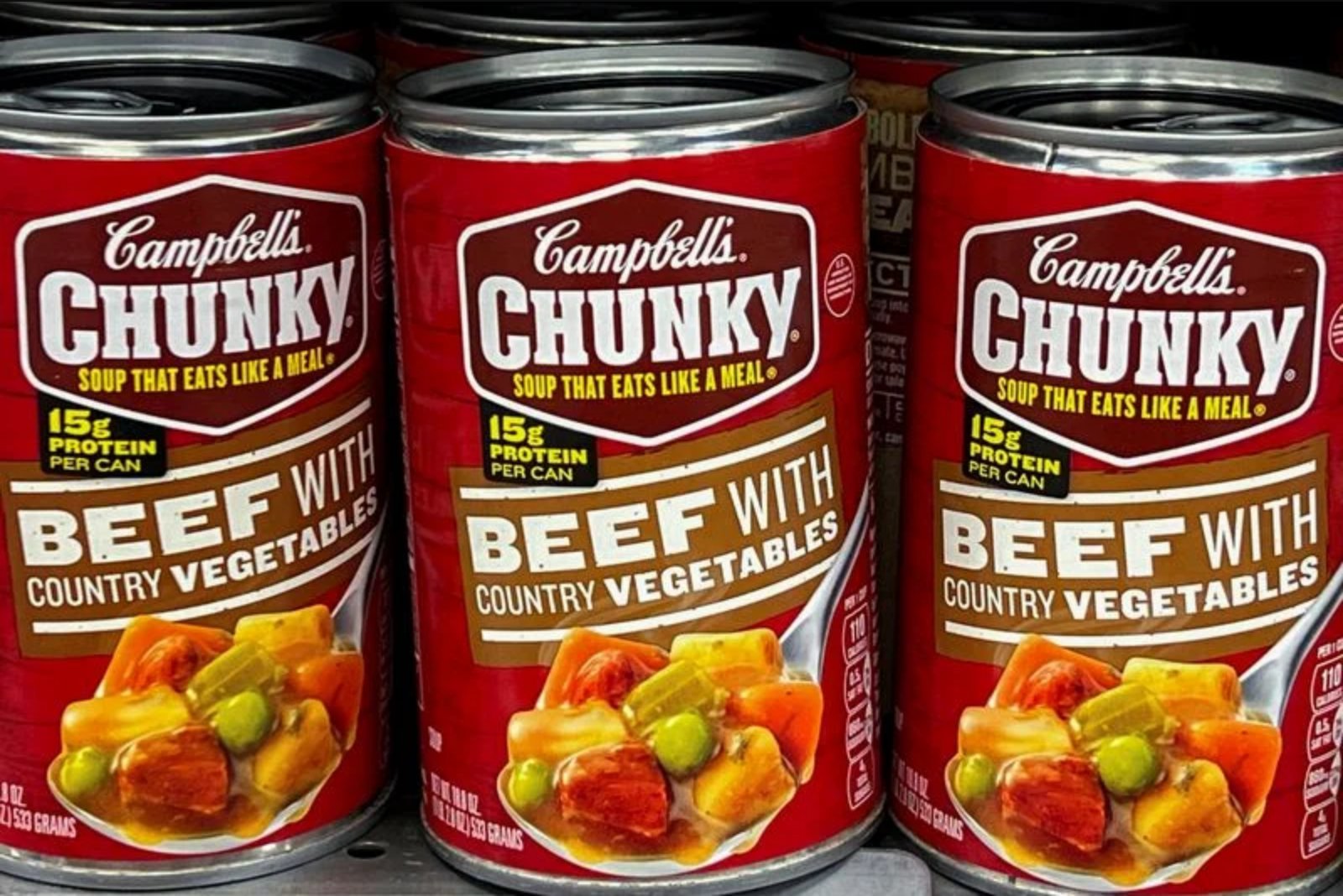
Campbell’s Co reiterated its full-year guidance after reporting a 4% drop in third-quarter net sales, as subdued U.S. consumer spending and movement toward lower-cost and private-label brands weighed on demand. The company’s adjusted quarterly EPS beat estimates thanks to supply-chain optimization and cost-savings initiatives, but management expects fiscal 2026 organic net sales to decline 1% to 2% with adjusted EPS projected between $2.15 and $2.25.

Campbell’s Sticks to Annual Forecast as Consumer Caution Dampens Sales
CPB
Summarize with
ChatGPT Perplexity Claude Grok Gemini

Key Points

  • Campbell’s reaffirmed its annual guidance after previously trimming its forecast, citing continued weak consumer spending in the U.S. - sectors impacted: consumer staples, grocery retail.
  • Third-quarter net sales fell 4% to $2.37 billion, slightly below the LSEG analyst consensus of $2.38 billion; adjusted EPS of $0.50 beat the $0.48 estimate helped by supply-chain optimization and cost-savings - sectors impacted: packaged foods, supply-chain services.
  • Management expects fiscal 2026 organic net sales to decline 1% to 2% with adjusted EPS projected at $2.15 to $2.25, reflecting ongoing pressure from buyer shifts toward cheaper and private-label brands - sectors impacted: consumer staples, retail.

Campbell’s Co maintained its annual guidance on Monday, a decision coming months after it trimmed expectations amid continued softness in U.S. consumer spending. Management pointed to cautious household behavior as a persistent headwind for demand across its product portfolio.

Consumer sentiment has fallen to record lows in recent months, the company said, with rising gasoline prices linked to the Iran war adding pressure to household budgets that are already coping with elevated inflation. That combination has prompted many lower-income shoppers to favor cheaper alternatives, including private-label options, reducing demand for branded goods that saw price increases intended to protect margins and cover higher commodity and tariff costs.

For the third quarter, Campbell’s reported net sales of $2.37 billion, a decline of 4% from the prior year and just below the LSEG average analyst estimate of $2.38 billion. On an adjusted basis, the company delivered earnings of $0.50 per share, ahead of the $0.48 consensus. Campbell’s credited supply-chain optimization and the effects of its cost-savings program for the earnings beat.

The packaged-foods industry is continuing to adjust to changing dietary preferences, a trend that the company noted has been accelerated by the rapid uptake of weight-loss drugs. Those shifting preferences are affecting category demand and are part of the broader environment Campbell’s described as contributing to its revenue challenges.


Segment performance

Within the company, the meals and beverages unit saw quarterly sales fall 2%, contrasting with a 15% increase in the same quarter a year earlier. The snacks division recorded a 7% decline in sales, following an 8% drop in the comparable period last year.

Outlook

Looking ahead, Campbell’s expects fiscal 2026 organic net sales to decrease in the range of 1% to 2%. The company also forecast adjusted profit per share between $2.15 and $2.25 for the fiscal year.

While the company has taken actions to improve margin resilience through price adjustments and internal cost measures, ongoing consumer conservatism and a shift toward lower-cost and private-label brands remain key constraints on near-term sales growth.

Risks

  • Continued weakness in U.S. consumer spending could further depress sales for branded packaged-food companies - markets at risk: consumer staples, grocery retail.
  • A shift by lower-income consumers toward cheaper and private-label brands may erode demand for higher-priced branded products, limiting revenue growth - markets at risk: branded food manufacturers and retail margins.
  • Rising gasoline prices tied to geopolitical developments and persistent inflationary pressure could further strain household budgets, reducing discretionary and grocery spending - markets at risk: consumer discretionary and commodity-linked sectors.

More from Stock Markets

American Battery Technology Shares Jump After DOE Restores $115M Grant for Tonopah Flats Refinery Jun 8, 2026 Remy Cointreau Shares Lifted by UBS Upgrade and RC Forward Plan Jun 8, 2026 Campbell’s Shares Jump After Modest Q3 Beat and Intact Guidance Jun 8, 2026 BTIG Strategist Warns of Further Decline for Tech and Chip Stocks Jun 8, 2026 Tango Therapeutics Shares Jump After Strong Pancreatic Cancer Trial Results Jun 8, 2026