
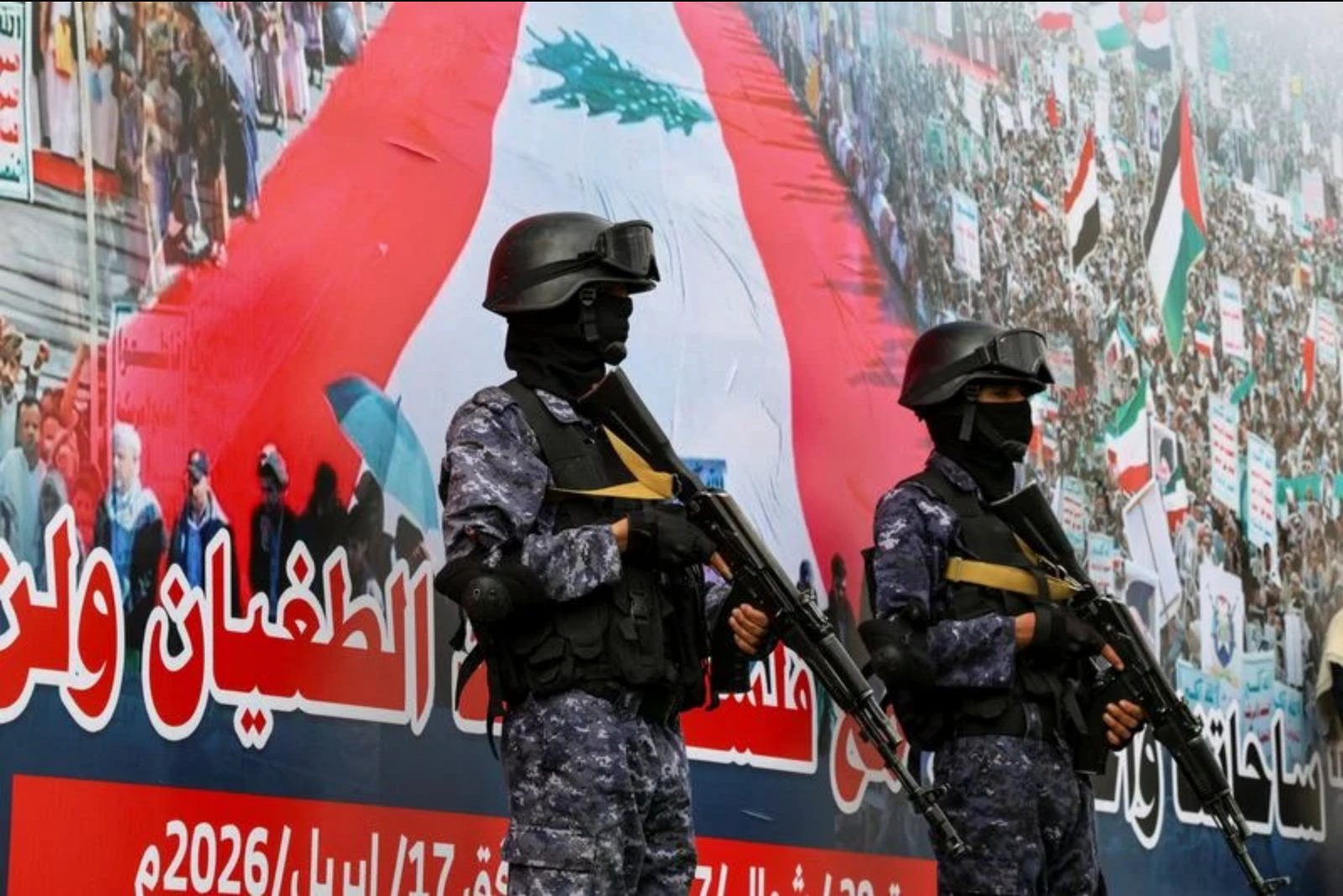
June 8 - Yemen’s Houthi movement, which is aligned with Iran, said on Monday it would bar vessels linked to Israel from passing through the Red Sea after Israel resumed military strikes on Iran. The announcement comes at a time of heightened fragility for global shipping lanes and crude flows, compounding existing disruptions to energy markets.
How big a threat this poses to global energy depends on whether the disruption is transient or sustained. Iran has shut the Strait of Hormuz since Israel and the United States struck Iranian targets on February 28, a move that has curtailed most oil and other energy shipments from the Gulf. That closure has already put upward pressure on prices and contributed to a significant energy shock.
Riyadh has insulated markets in part by redirecting more than 70% of its usual daily crude exports to the Red Sea port of Yanbu. That diversion has been critical in keeping global oil prices from rising further. But the Houthi statement raises the prospect that a prolonged campaign targeting Red Sea shipping - including attacks on vessels or port facilities - could severely complicate those alternative export routes.
A Houthi source said preventing Israeli ships from transiting the Red Sea would be "a first step", and that if the situation escalated the group could broaden measures to include stopping ships bound for Israel. During a previous wave of attacks in the Gaza war the group defined Israel-linked targets broadly to include any vessel owned by a company that used Israeli ports, and its operations at that time discouraged many companies from using the Red Sea route.
Who are the Houthis?
The Houthis originated in north Yemen in the 1990s as a movement with military, political and religious dimensions, engaging in guerrilla conflicts against the government in Sanaa. They follow the Zaydi branch of Shi'a Islam. After the upheavals of 2011 they deepened ties with Iran and exploited instability to capture the capital in 2014, overturning a Gulf-backed transition plan.
That seizure prompted a military intervention led by Saudi Arabia and allied Arab states, intended to restore the ousted government and counter what those states viewed as an Iranian proxy. As the civil war stalemated, the Houthis launched missile and drone strikes against oil infrastructure and other targets in Saudi Arabia and the United Arab Emirates. A truce reached in 2022 between Yemen's warring parties has largely held since then.
Are the Houthis an Iranian proxy?
Iran promotes the Houthis as part of its regional "Axis of Resistance", alongside groups such as Lebanon's Hezbollah and Iraqi Shi'ite militias. But the relationship between Tehran and the Houthis is not identical to Iran's ties with those other actors. The Houthis do not recognise Iran's supreme leader as their supreme religious authority in the same manner as Hezbollah and the Iraqi groups do. Their drivers are primarily domestic, even though their ideology aligns with Iran's regional posture.
The United States has accused Iran of arming, funding and training the Houthis with assistance from Hezbollah, a charge the Houthis reject, saying they develop their own weapons and are not a proxy force.
Past Red Sea attacks and market consequences
Following the October 7, 2023 Hamas attack on Israel and Israel's intensive campaign in Gaza, the Houthis began striking at Israel and at international shipping in the Red Sea, framing those actions as support for Palestinians. The attacks in the Red Sea caused major disruption to global shipping, prompting large carriers including Maersk and Hapag-Lloyd to reroute vessels around the Cape of Good Hope - a much longer and costlier journey.
An international, U.S.-led mission sought to restore safe navigation in the Red Sea through repeated strikes on Houthi targets and defensive measures that intercepted hundreds of drones and missiles. Houthi operations persisted in part until last summer, and they subsided fully only with the Gaza ceasefire in October.
What have the Houthis done in the current Iran war?
When the conflict between Iran, the United States and Israel intensified earlier in the year, other Iran-aligned groups such as Hezbollah and allied Iraqi militias joined the fight quickly using rockets and drones after the initial strikes on Iran by the U.S. and Israel. By contrast, the Houthis have been relatively restrained so far.
The movement's leader, Abdul Malik al-Houthi, warned on March 5 that "our fingers are on the trigger at any moment should developments warrant it". Iranian commanders have similarly indicated the group could act; the Revolutionary Guards' Quds Force commander, Esmaeil Qaani, said on June 1 that the Houthis could choke off the Red Sea.
Up to this week the group's direct involvement in the conflict had been limited to a handful of missile and drone strikes on Israel in late March and early April. The reasons for the group's measured posture are not fully clear from available accounts. Possible explanations consistent with public statements include the idea that the Houthis and Iran may have valued maintaining the threat of another major energy route closure as a deterrent against further escalation by Israel and the United States. The group may also feel less bound than other Tehran-aligned forces to defend Iran's security interests, and it may be cautious about provoking Saudi Arabia, which could risk reigniting the conflict on Yemeni soil.
Implications for markets and trade
Any renewed Houthi campaign affecting the Red Sea would pose a meaningful test of the resilience of alternative export routes, notably the flows through Yanbu that have helped compensate for the Gulf shutdown. Disruption to those flows would likely compound current upward pressure on oil prices and add stress to global shipping networks that already faced costly rerouting during previous periods of Houthi activity.
At present, the situation remains fluid. The scale and duration of any Houthi action will determine whether the immediate effect is a short-term spike in risk premiums or a longer-standing structural disruption to sea-borne energy and trade flows.