
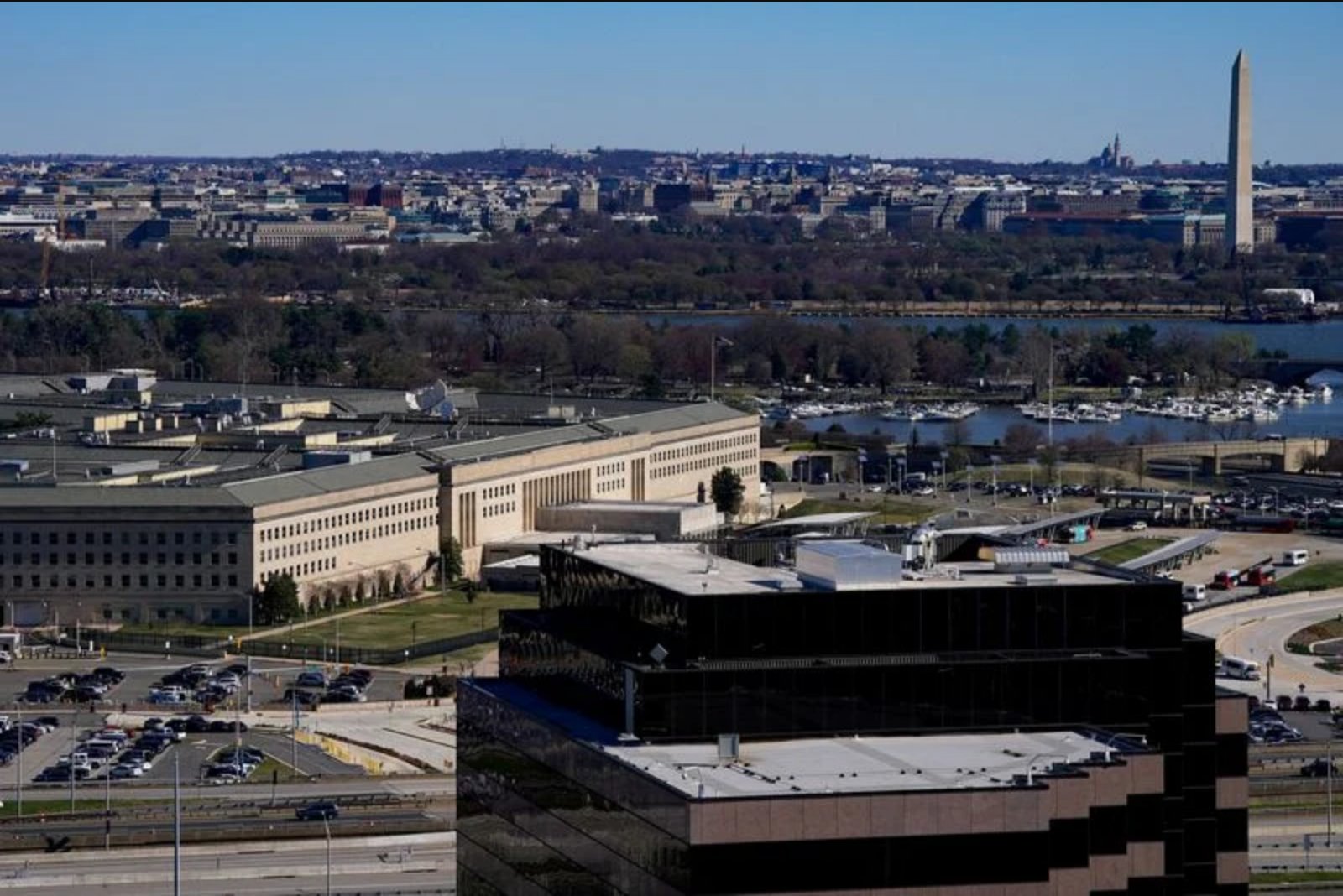
China on Saturday publicly rejected a recent U.S. Defense Department listing that identifies a group of large Chinese corporations as aiding the country's military development. In a statement, the commerce ministry said it was "strongly dissatisfied and firmly opposes this," and urged Washington to reverse the decision and return to "the correct track of building a constructive strategic and stable China-U.S. relationship."
The Pentagon's update, released on Monday, added several high-profile technology and manufacturing names to the roster. Among those cited were e-commerce heavyweight Alibaba, internet search provider Baidu, electric vehicle manufacturers BYD and NIO, and the world’s largest solar panel producers, Trina Solar and JA Solar Technology.
China's foreign ministry also registered concern about the revision to the Defense Department list. Beijing's criticism emphasized that the addition of these firms came despite recent diplomatic contact between the two countries' leaders. The commerce ministry specifically said the move "ignored the consensus" reached between the two leaders.
Under U.S. law, inclusion on the Defense Department list carries practical consequences. The Defense Department will be barred from contracting directly with companies on the list and will face restrictions on purchasing their products or services through third parties starting in 2027.
The commerce ministry warned that if Chinese companies are not treated fairly, Beijing will "inevitably retaliate resolutely and forcefully." The ministry's statement also called on the United States to "immediately stop its erroneous practices, immediately withdraw relevant measures" and to restore bilateral relations to a stable, constructive path.
The Pentagon update replaces an earlier list from early 2025 and follows a meeting approximately a month earlier between Presidents Donald Trump and Xi Jinping in Beijing, during which their discussions preserved a delicate trade-war truce. The revised list covers a broad range of China's prominent technology firms that the Pentagon says are important to advancing Beijing's military and industrial capabilities, reflecting U.S. security concerns amid heightened geopolitical competition.
Context and implications
The announcements by the commerce and foreign ministries underscore the diplomatic friction that can follow security-driven actions targeting major corporate actors. The legal prohibition on direct Defense Department contracting and the limits on third-party procurement take effect under existing U.S. statutory timelines, with the restrictions becoming applicable in 2027 for the firms named in the update.