
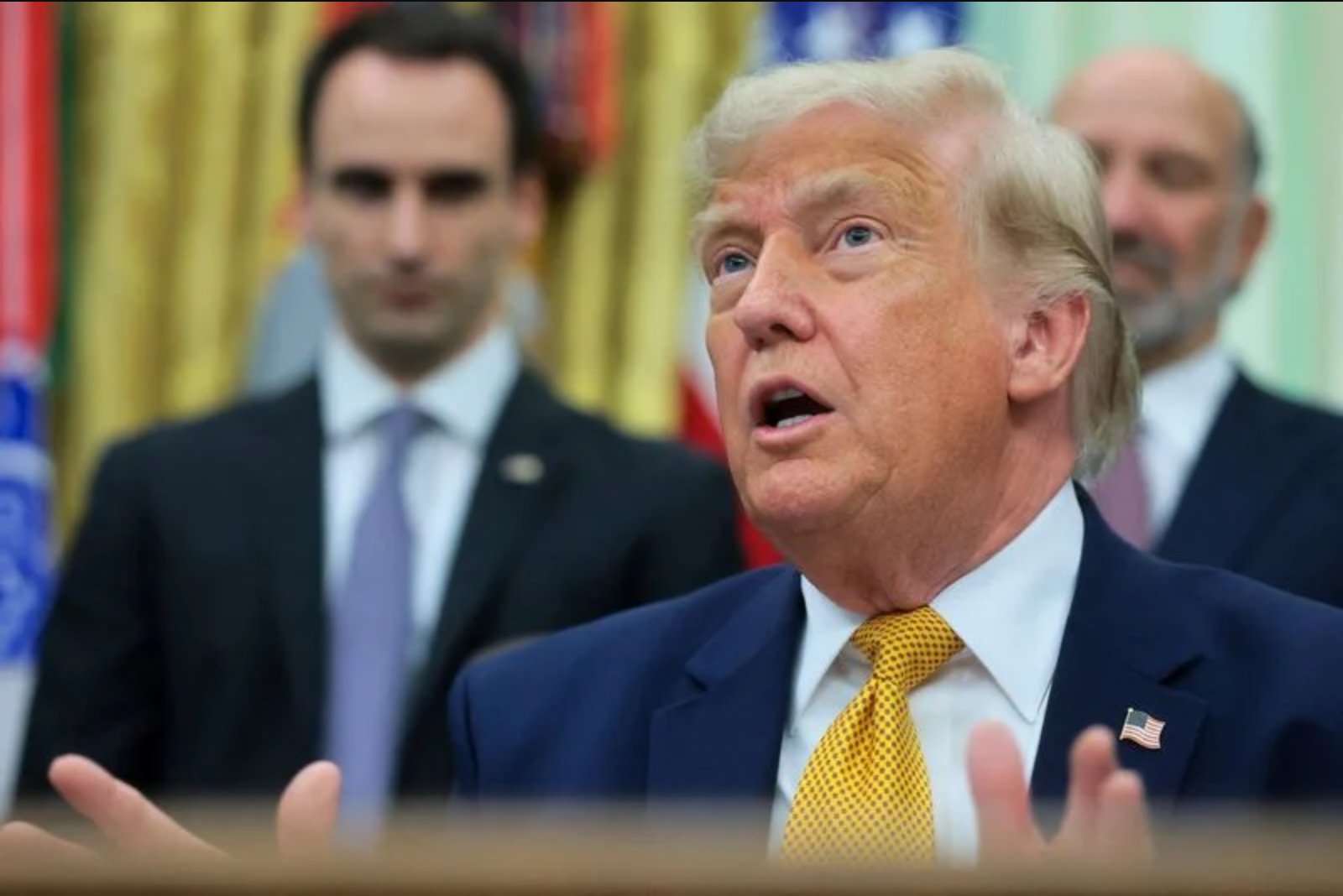
President Donald Trump plans to appear at a closed-door Senate lunch on Wednesday to press his fellow Republicans to approve the SAVE America Act, a package of voting restrictions that has been stalled in the U.S. Senate.
The legislation, which Trump has made a top priority, would require a photo identification to vote in federal elections, mandate proof of U.S. citizenship to register, and compel states to provide their voter registration rolls to the federal government. Speaking during a Tuesday visit to Pennsylvania, the president framed the meeting as part of a broader agenda: "We have to pass it, so we’re going to have a talk about that, and many other things."
Those pushing the bill are confronting entrenched procedural and political obstacles. Although Republicans hold a majority in the Senate, they have attempted to pass this legislation five times and fallen short each time of the 60 votes needed to overcome the chamber’s filibuster threshold. Alternative procedural strategies also have failed to secure sufficient support, leaving leaders and supporters to acknowledge the uphill climb.
Senate Majority Leader John Thune described the situation in blunt terms to reporters, saying: "Those are just hard realities. And I think people at some point have to come to grips with that." His comments offer a preview of the tone some GOP senators may take in the private meeting with the president.
Presidential visits to Congress are uncommon, and this session arrives against a backdrop of frayed ties between Trump and many Senate Republicans. With the November midterm elections fewer than five months away, the Senate GOP has pushed back against the president on several fronts.
Lawmakers forced the president to abandon a proposed $1.8 billion "anti-weaponization" fund, publicly criticized his selection of an ally without an intelligence background for a top U.S. intelligence post, and backed legislation to prevent military action against Iran. Senate Republicans also resisted the president’s calls to use aggressive tactics to advance the SAVE America Act, including proposals to attach the bill to must-pass legislation or to remove a Senate official who had kept the measure out of a recent spending package.
Trump has pressed senators to discard the Senate’s longstanding 60-vote rule for most legislation, but those efforts have not succeeded. Supporters of the bill argue that persistence is warranted even when initial vote counts are short.
"For every bill up here, when it starts, there’s not enough votes," said Senator Rick Scott of Florida, who supports the legislation and invited Trump to Wednesday’s meeting. "We’re going to have a nice conversation to see if we can figure out how to get this across the finish line."
Opponents, including Senate Democrats, contend the measure addresses a problem that is minimal in scope while risking disenfranchisement. They say the bill focuses on a nearly non-existent case of non-citizen voting and would unintentionally bar eligible American citizens who lack ready access to a passport or birth certificate.
Some Republicans have questioned whether devoting time to the measure is the best use of the Senate’s limited legislative calendar during an election year. "Every minute we spend on it, we’re not spending on something that can get my colleagues reelected," Senator Thom Tillis of North Carolina told reporters.
The Wednesday meeting will test whether presidential pressure can alter a Senate reality that has so far kept the SAVE America Act from clearing the procedural and vote hurdles required to become law. For now, Republican leaders publicly acknowledge the shortfall in support and signal that changing that dynamic will be difficult.
What happens next: The president will meet privately with Senate Republicans to discuss the legislation. GOP leaders say they do not currently have the votes to pass the SAVE America Act and have resisted several of the president’s suggested tactics to force a vote.