
Summary: Major policy and political events across the U.S., Europe and Asia converge this week. The Federal Reserve convenes under new leadership for the first time, global leaders gather in France amid heightened security concerns, and central banks from Tokyo to Jakarta confront pressure to tighten or recalibrate policy. Markets will be watching statements, projections and auctions for signs of direction amid persistent inflation and geopolitical shocks.
1/ NEW FED LEADERSHIP TAKES THE CHAIR
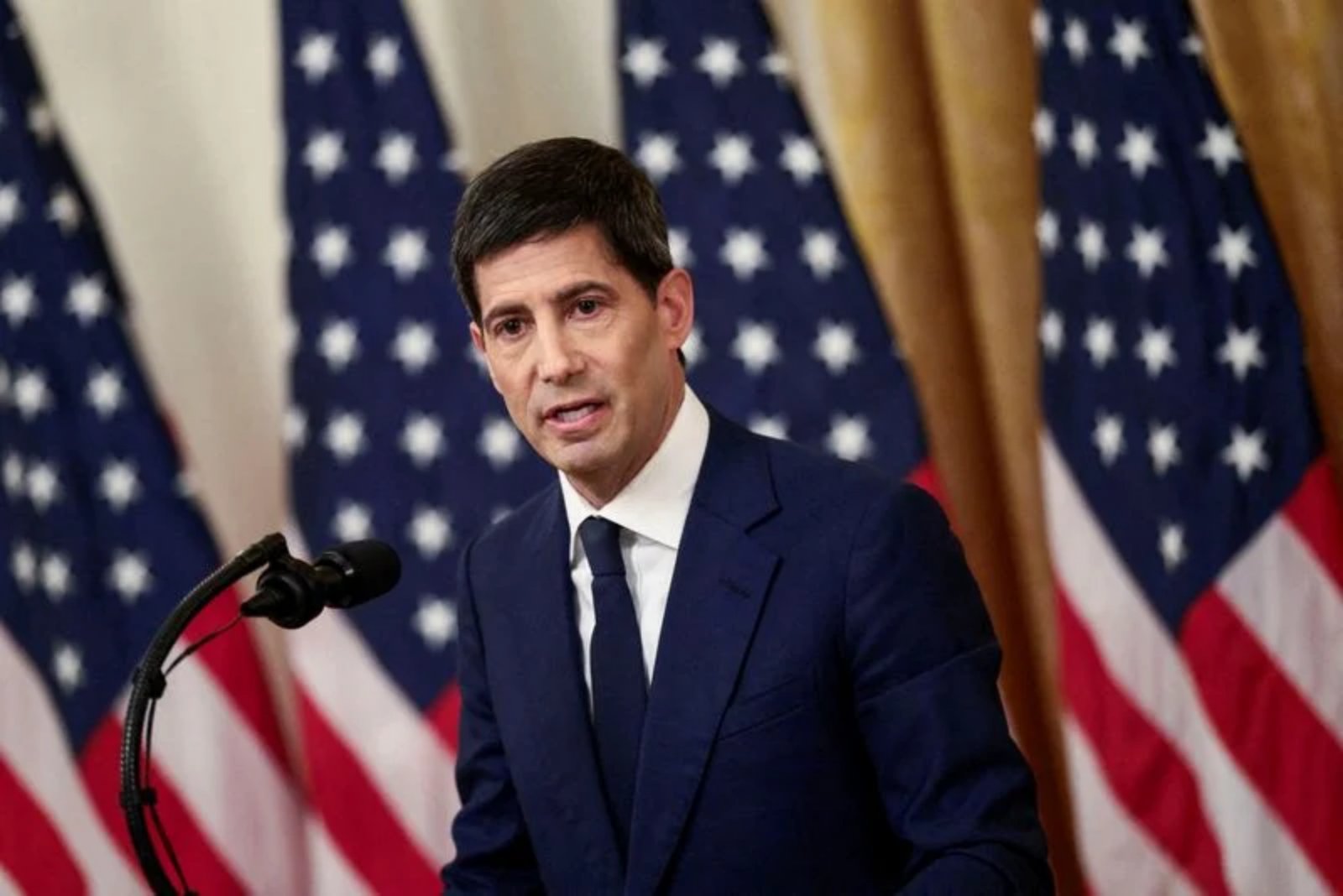
Kevin Warsh will preside over his first Federal Reserve policy meeting this week. Markets have increasingly factored in the possibility that stubborn inflation will compel further U.S. rate increases in the months ahead rather than cuts. While the Fed under Warsh is not widely expected to raise rates at this meeting, all eyes are on Wednesday’s policy statement and subsequent press conference for cues on his approach, any shifts in communication style, and whether he brings new operational ideas to the central bank.
Officials will publish their economic and interest-rate projections alongside the decision, and traders will scrutinize the extent of divergence in policymakers’ views. Data released last week showed U.S. consumer inflation rose at its fastest pace in three years in May, a development that followed a spike in energy prices after the Iran conflict intensified. At the same time, President Donald Trump has reiterated his public preference for lower interest rates.
2/ A HIGH-STAKES G7 IN EVIAN
The Group of Seven summit in Evian-les-Bains, France, is expected to be consumed by wars in the Middle East and Ukraine, with those conflicts shaping much of the leaders’ agenda. The summit follows news that President Trump agreed a framework peace deal with Iran over the weekend. The French hosts have already adjusted logistics to accommodate Mr. Trump’s schedule - reportedly having shifted dates to allow for his personal plans - and officials have privately set modest expectations for outcomes, suggesting success could be measured by the U.S. president remaining for the full duration of the meeting after leaving the 2025 summit early.
Because of the Middle East tensions, Saudi Arabia, the United Arab Emirates, Qatar and Egypt have been invited, and Ukraine’s President Volodymyr Zelenskiy will attend as Europeans press the United States to sustain support for Kyiv. Leaders are due to discuss broader themes including economic security, global imbalances and reducing strategic dependence on China for critical minerals, though observers expect tangible, wide-ranging deliverables to be limited.
3/ THE BANK OF JAPAN AND THE 1 PERCENT BENCHMARK
The Bank of Japan’s policy meeting is on the calendar, with markets anticipating a 25 basis point increase that would take Japan’s policy rate to 1% for the first time since 1995. The move has been widely signalled and so is not expected to prompt a meaningful rebound in the yen. The currency remains in what market participants describe as intervention territory following another difficult year, and analysts argue that a substantially faster pace of tightening would be required for the yen to regain sustained strength.
That faster tightening, however, appears unlikely given ongoing Middle East instability and the BOJ’s historically cautious approach. Adding an unusual element of uncertainty, Governor Kazuo Ueda will not attend this meeting because he is in hospital, marking the first time a BOJ governor has missed a scheduled policy meeting since at least 1998. Elsewhere in the region, the Reserve Bank of Australia meets the same week and is widely expected to leave rates unchanged after three hikes earlier in the year.
4/ BRITAIN FACES POLITICAL AND FISCAL PRESSURES
U.K. markets face a busy week. A by-election on June 18 in Makerfield, a constituency on the outskirts of Manchester, could have outsized political consequences. The vote might open up a credible challenge to Prime Minister Keir Starmer’s leadership, as the Labour leader contends with internal dissent and record voter discontent over his economic stewardship. Greater Manchester Mayor Andy Burnham, standing as the Labour candidate, could return to Westminster should he win, and many market participants believe he would favour a more expansionary fiscal stance than Mr. Starmer.
Financial room for manoeuvre in the U.K. is already constrained and borrowing costs remain very high. An auction of 10-year gilts on June 16 will provide a near-term test of investor demand against a tense political backdrop. The Bank of England meets on June 18 and is forecast to keep rates unchanged, while the week will bring a string of data releases from inflation readings to consumer spending that could further influence market expectations.
5/ EMERGING-MARKET STRAINS: INDONESIA AND BRAZIL IN FOCUS
In Asia, the fallout from disruptions in the Strait of Hormuz has hit energy-importing economies, with Indonesia singled out as especially affected. The rupiah has slumped to record lows amid policy uncertainty, governance concerns and fiscal slippage under President Prabowo Subianto, compounded by a challenging global backdrop that has prompted capital outflows. Indonesian authorities surprised markets last week with a 25 basis point rate rise and substantial foreign-exchange intervention. With the currency slide still underway, another rate increase looks increasingly likely; the question is the magnitude rather than whether to act.
In Latin America, Brazil’s central bank will convene on Wednesday. After two consecutive 25 basis point cuts in March and April that reduced the Selic to 14.5%, markets remain divided over whether the bank will continue easing or pause as inflation trends higher. The recent inflation trajectory has made the path of monetary easing less straightforward.
Across markets this week, attention will be split between central bank rhetoric and the hard data that could either reinforce or alter current expectations. Key policy statements, projections and auctions will be watched closely for signals on the next direction of interest rates, while geopolitical developments are likely to add volatility, especially for energy-linked markets and currencies in emerging economies.
Graphics by Prinz Magtulis; compiled by Marc Jones; editing by Barbara Lewis and Jan Harvey.