
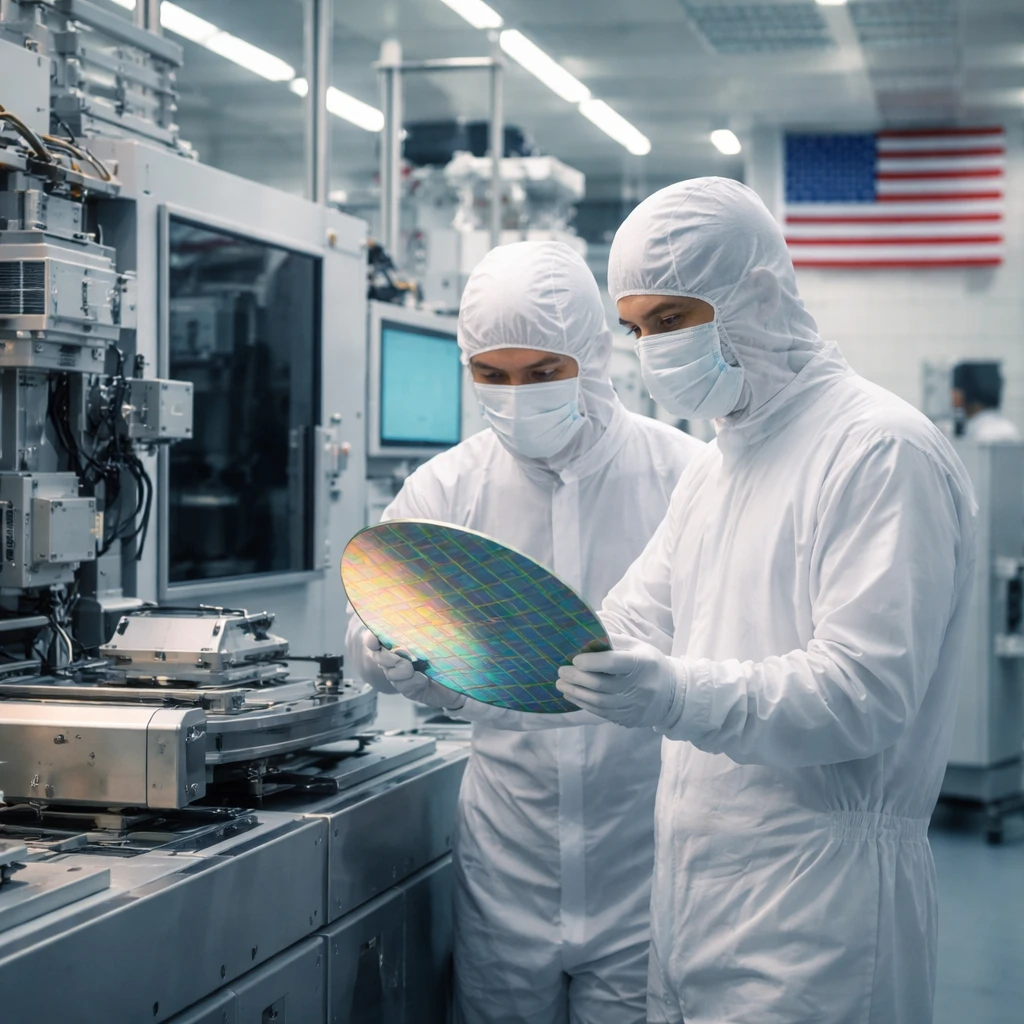
Commerce Secretary Howard Lutnick told CNBC that the Trump administration is examining a new program of "targeted" tariffs on semiconductors produced abroad. The comments reiterated reporting from last week that the administration is actively considering additional duties on chips and related technology, while making clear that the concrete parameters of any levy have not yet been disclosed.
Lutnick described the prospective policy as conditional, allowing companies to avoid the proposed tariffs if they commit to expanding production inside the United States. That line of argument reflects an administration emphasis on shifting more manufacturing to U.S. soil.
"What youâre going to see is targeted, thoughtful tariff policy that basically says if you build here, you donât pay," Lutnick said during the interview.
He added that firms declining to make that investment should expect to face charges to access the U.S. market.
"But if you donât build here, expect to pay to enter the greatest market in the world."
Lutnick confirmed reports that the scope of the contemplated measures could be broad. Those reports indicate the administration is considering expanding duties beyond semiconductors themselves to include a wider range of technology products - from servers and personal computers to gaming consoles - and may apply the new tariffs on a phased-in schedule. The secretary did not provide specifics about which products would be targeted or the exact rate structure.
The comments also invoked earlier administration actions and proposals. The president had at one point threatened a 100% tariff on chip imports through 2025 and later advanced a proposal for a 25% ad valorem duty in early-2026. Lutnick did not revise those figures in the interview but noted the current approach would be more selective.
Lutnick pointed to recent diplomatic and commercial agreements with partners in South Korea and Taiwan designed to encourage their chipmakers to increase U.S. production capacity. He cited commitments by Taiwan Semiconductor Manufacturing Company and Samsung to invest in expanding their American capacity, saying those investments amount to "hundreds of billions" of dollars in aggregate, and that additional investment pledges were likely to be announced in the coming weeks.
Observers have noted the administration has returned to a more active tariff posture after a U.S. Supreme Court decision earlier in the year struck down a substantial portion of prior tariff measures. Within that context, Lutnick framed the targeted tariff approach as an incentive for onshore investment while leaving open the prospect of duties for companies that do not change where they make chips.
While the administration appears to be moving toward a tariff framework that pairs duties with a build-in-America incentive, the absence of detailed guidance on tariff rates, product lists and phase-in timing means key questions remain unanswered.