
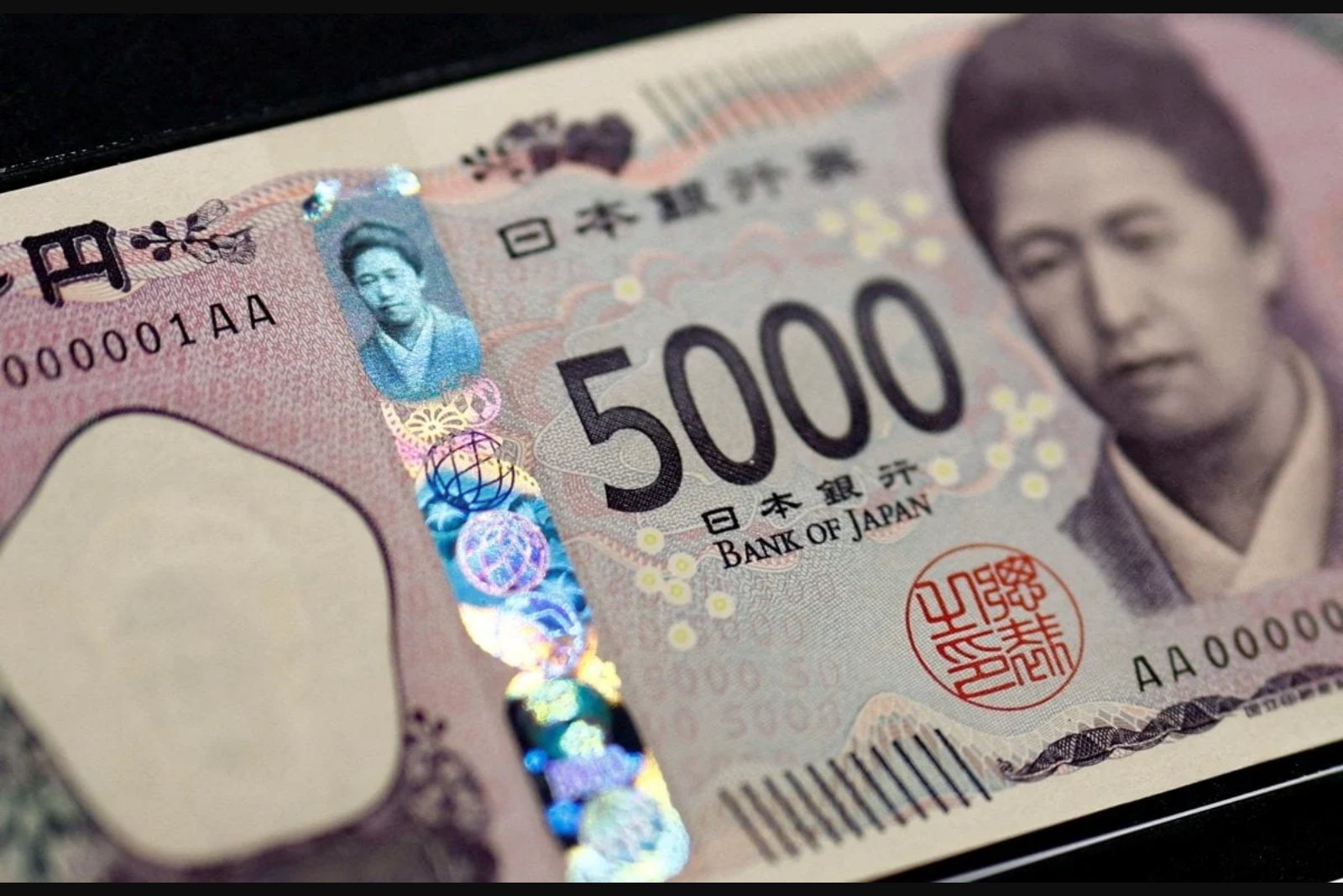
Asian currencies advanced on Thursday as the Japanese yen pushed lower on dollar terms, rekindling investor attention on the prospect of intervention before the Bank of Japan’s upcoming policy meeting. The USD/JPY pair fell 0.6% to 157.81, after the yen strengthened as much as 0.5% to 157.99 and recorded a 1.2% gain during New York trading on Wednesday. In Asian trading the pair hit an intraday high of 157.95, extending an overnight rise of 0.9%.
Comments from within the BOJ have contributed to the shift in rate expectations. BOJ board member Hajime Takata said that a 25-basis-point tightening was not guaranteed and that consecutive hikes remained a possibility, a stance that helped underpin the yen’s recent advance as markets repriced the odds for the September 18 decision.
Risk around potential intervention has returned to the fore as market participants assign a small probability to a 50-basis-point BOJ move, compared with roughly 90% market pricing for a 25-basis-point increase at the start of the week. That repricing occurred alongside renewed fighting between the United States and Iran near the Strait of Hormuz, which kept crude oil prices elevated and reinforced concerns over persistent inflation and higher interest rates.
Market commentary highlighted mixed signals on the yen’s move. DBS noted skepticism because the recent decline in USD/JPY was smaller than moves seen in prior episodes of Japanese intervention and observed that the yen’s performance this week was comparable to the South Korean won.
Public officials have signalled readiness to act. Japanese Finance Minister Satsuki Katayama and U.S. Treasury Secretary Scott Bessent have both indicated they would intervene again without hesitation if deemed necessary. Traders are also watching the timing of the BOJ meeting closely: the three-day break following the September 18 decision is expected to produce thinner markets and could make any intervention more effective.
Broader dollar dynamics were mixed. The U.S. dollar index slipped 0.1% to 99.43 but remains supported by market expectations for a September rate hike from the Federal Reserve. Market pricing currently attributes about a 61% probability to a Fed move at that meeting, and Friday’s U.S. nonfarm payrolls report has been elevated to a key test for those expectations.
Hawkish commentary from Fed officials has weighed on global bond markets, and the renewed U.S.-Iran exchanges - the first since late July after U.S. forces struck Iran and Tehran retaliated - have introduced an additional upside risk to energy prices. Fighting around the Strait of Hormuz has pushed oil sharply higher, creating the prospect of disrupted flows that could feed into consumer inflation and complicate central-bank plans to lower rates.
Currency moves across the region were varied. USD/AUD was little changed near 1.40, keeping the Australian dollar slightly softer around $0.72 despite domestic data showing the economy expanded 0.4% in the June quarter and 2.1% year-on-year, above the 1.8% annual pace forecast. Fresh trade figures provided modest support: Australia recorded a A$1.923 billion trade surplus in July, essentially unchanged from A$1.929 billion in June and higher than the A$1.39 billion consensus.
The USD/NZD pair fell about 0.2%, putting the New Zealand dollar around $0.59 after it had dropped 0.67% on Wednesday following the Reserve Bank of New Zealand’s dovish rate hike. The USD/INR pair slid 0.8% to 94.237, extending the rupee’s rally as $127.23 billion of foreign-currency non-resident deposits bolstered the Reserve Bank of India’s capacity to support the currency.
Other regional crosses were less active: USD/KRW traded largely unchanged, USD/SGD declined 0.1%, and USD/MYR fell 0.09% to 4.0395 as markets awaited Bank Negara Malaysia’s rate decision later Thursday, where the central bank is expected to hold the Overnight Policy Rate at 2.75%.
Overall, market participants are balancing central-bank repositioning, intervention risk in Japan, and geopolitical-driven energy-price pressures. These forces are influencing asset prices across FX, rates, and commodities and remain the focal points ahead of a busy calendar of policy decisions and economic data.