
The United States, currently chairing the Group of 20 major economies, said it will convene further discussions in the weeks ahead to tackle the consequences of the war in the Middle East on food markets and fertilizer supply chains. The announcement follows a meeting of G20 finance ministers and central bank governors held during the spring meetings of the International Monetary Fund and World Bank on April 16.
A chair's statement summarizing that April 16 meeting indicated that officials examined a broad set of topics, including the economic fallout from the conflict and its effects on agriculture markets, value chains and fertilizer availability. However, the statement made clear that participants did not reach an agreement to launch a coordinated effort guaranteeing fertilizer access amid the disruptions linked to the war.
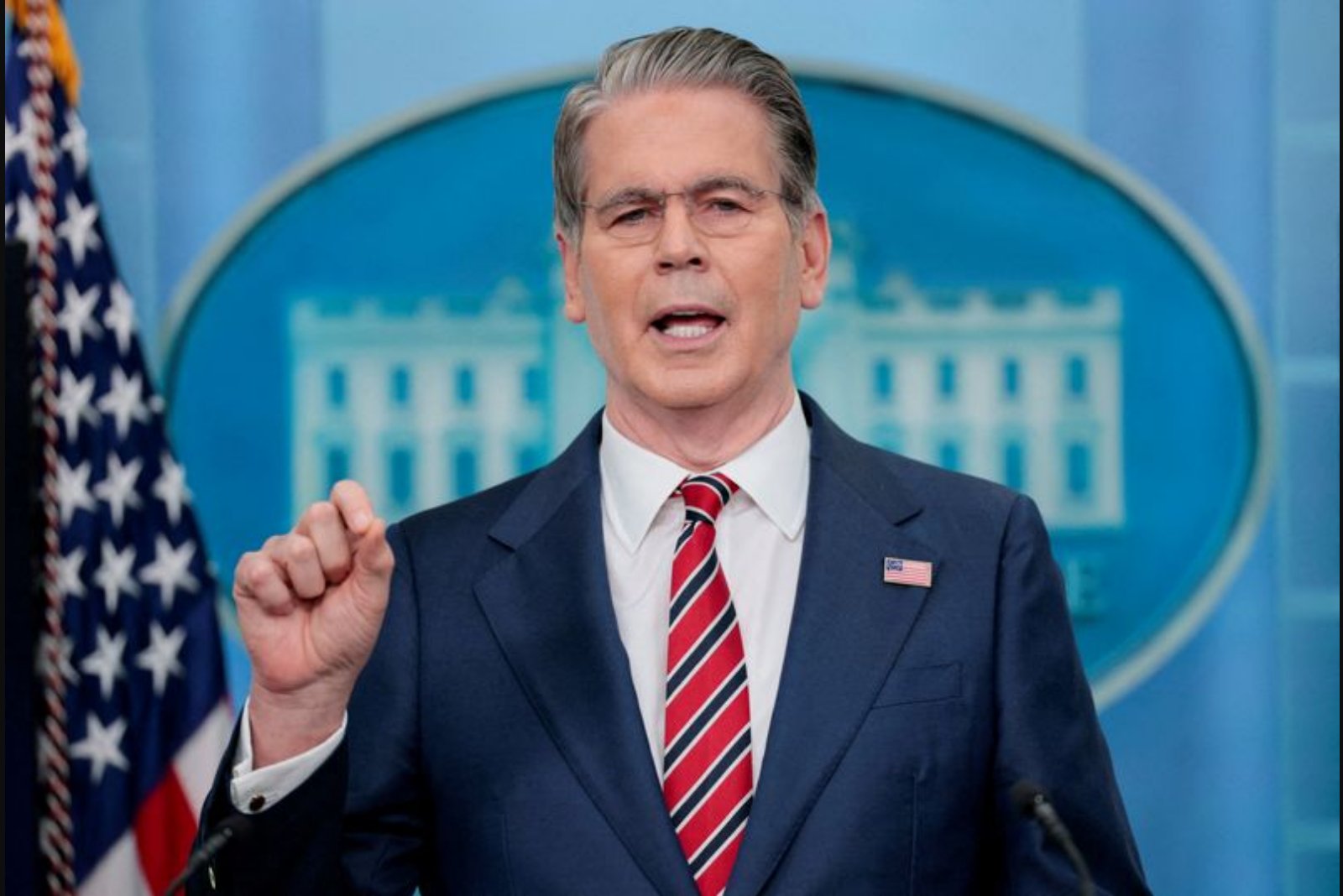
U.S. Treasury Secretary Scott Bessent last week began pressing the G20 - which includes major economies such as Russia and China - to pursue coordinated measures together with the IMF and World Bank to ensure that countries can obtain urgently needed fertilizer. The push reflects concern about timing: supply chain interruptions to fertilizer at the start of the growing season could have amplified effects on plantings and harvests.
The IMF and other international institutions have responded to the conflict by lowering growth forecasts, citing sharply higher energy prices among the transmission channels. They warned that war-related disruptions to shipments, particularly of fertilizer, could increase the number of people facing food insecurity by as many as 45 million.
According to the statement, the IMF expects at least a dozen countries to request new programs with the global crisis lender because of the economic shock stemming from the conflict. A majority of G20 members expressed support for the U.S.-led initiative, though a small number were not ready to confirm concrete action by the end of the week. Officials said staff-level engagements will continue to refine possible steps and work toward what was described as an "actionable consensus." Details about any specific coordinated measures were not disclosed.
Participants in the April 16 discussions underscored the importance of keeping food and fertilizer supply chains functioning, and many highlighted the particular vulnerability of low-income and otherwise vulnerable countries. The chair's statement noted that members raised the need to avoid imposing export prohibitions or restrictions on fertilizers as a means to preserve access for those most at risk.
G20 members welcomed the IMF and World Bank's efforts to coordinate their responses in order to maximize the effectiveness of financial and policy support. IMF Managing Director Kristalina Georgieva said on Friday that the two institutions would meet in the week following the spring meetings to assess assistance requests from member countries and to coordinate the most appropriate response.
In the meeting, many members reiterated commitments to remain agile and flexible in their macroeconomic policy responses and to cooperate where possible. Officials discussed "the potential for coordinated action" aimed at promoting food security and stabilizing markets, while emphasizing the value of diversified fertilizer production as a buffer to protect the poorest countries from acute disruptions in food trade and input supply chains.
Under U.S. leadership, Bessent has moved to streamline the G20's work program, pausing a number of committees that previously addressed topics such as climate change and sustainability. The U.S. Treasury has emphasized a narrowed focus on core macroeconomic priorities. A Treasury spokesman said Bessent seeks to return the G20 to "a more nimble, action-oriented group" and indicated that Washington looks forward to working with G20 partners to take further steps.
Analysis from a supply-chain perspective
From an operational viewpoint, the discussions reflect acute concern about near-term logistics and inventory dynamics for fertilizer at a time when planting decisions are being made in many regions. Disruptions in shipments, export restrictions and higher energy-related transport costs can amplify working-capital pressures for producers and distributors, while constraining farmers' access to inputs. The emphasis on avoiding export prohibitions and on diversifying fertilizer production signals recognition that both trade policy and production mix are central to buffering vulnerable economies.