
Economy May 20, 2026 01:47 PM

UK Seals Trade Agreement with Gulf Cooperation Council, Promises Tariff Cuts and Wage Gains

Deal with six Gulf states expected to deliver billions to UK economy and immediate tariff relief on food exports

By Derek Hwang
Share
Twitter Reddit Facebook LinkedIn

The United Kingdom has signed a trade agreement with the Gulf Cooperation Council, marking the first time a G7 country has secured a pact with the six-nation bloc. The Department for Business and Trade estimates the deal will add £3.7 billion to UK GDP annually and raise wages by £1.9 billion per year over the long term. Immediate tariff reductions worth £360 million will apply on entry into force, while full implementation is forecast to remove about £580 million in annual duties based on current export levels.

UK Seals Trade Agreement with Gulf Cooperation Council, Promises Tariff Cuts and Wage Gains
Summarize with
ChatGPT Perplexity Claude Grok Gemini

Key Points

  • The UK-GCC trade agreement is estimated to contribute £3.7 billion to UK GDP annually and raise wages by £1.9 billion per year over the long term.
  • Immediate tariff cuts valued at £360 million will commence when the deal comes into force, with full implementation expected to remove about £580 million in annual duties based on current export levels.
  • Tariff-free status will be applied to specified British exports including cereals, cheddar cheese, chocolate and butter, affecting agricultural and food processing exporters.

The United Kingdom on Wednesday announced a trade agreement with the Gulf Cooperation Council, becoming the first G7 nation to secure a pact with the six-country bloc.

According to the Department for Business and Trade, the accord is projected to add £3.7 billion ($4.9 billion) to the UK economy each year and to lift wages by £1.9 billion per year over the long term.

The Gulf Cooperation Council comprises Bahrain, Kuwait, Oman, Qatar, Saudi Arabia and the United Arab Emirates. The deal is expected to eliminate an estimated £580 million in annual duties based on current UK exports to the region once fully implemented. Of that total, £360 million of tariff reductions will take effect immediately when the agreement comes into force.

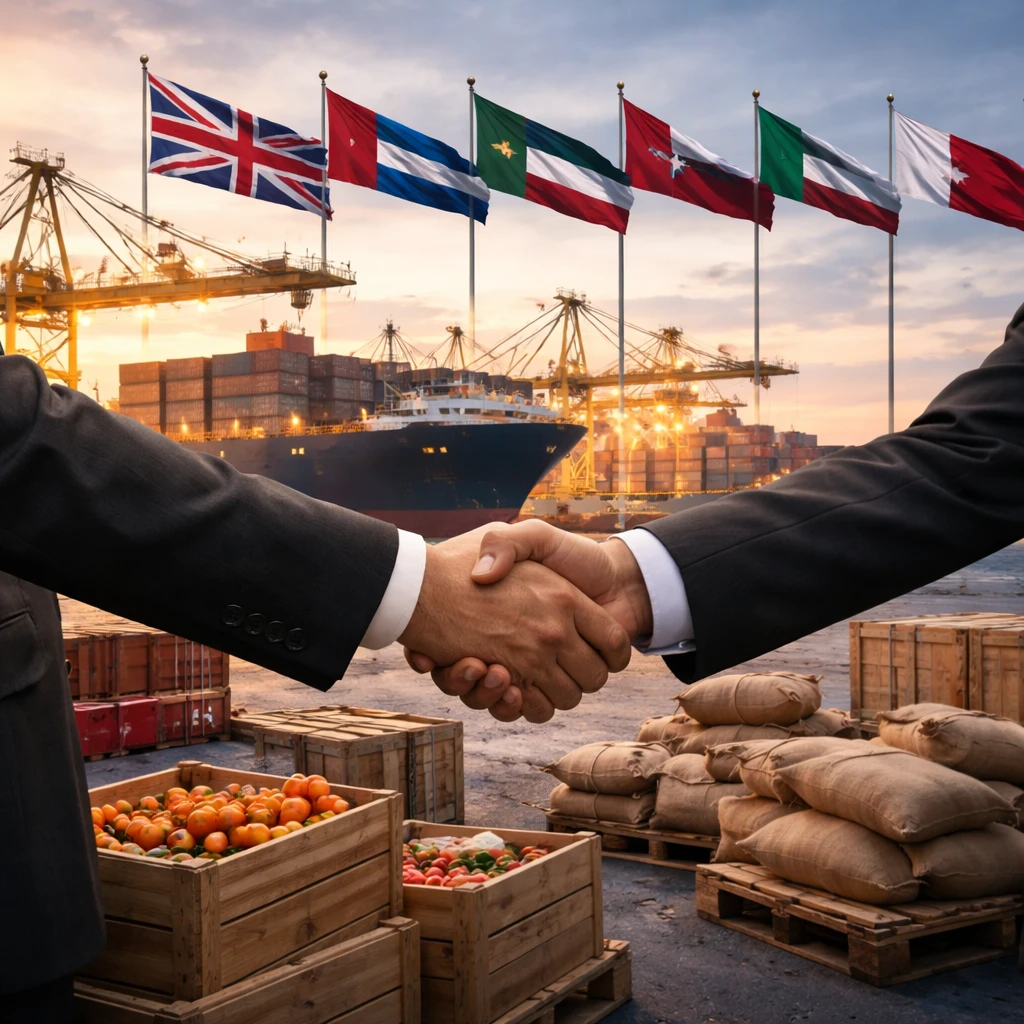
Certain British food exports will be made tariff-free under the terms of the agreement. Specifically, cereals, cheddar cheese, chocolate and butter are listed among the goods that will no longer face tariffs.

"Today's agreement is a huge win for British business, and for working people who will feel the benefits in the years ahead through higher wages and more opportunities," Prime Minister Keir Starmer said.

"The Gulf states are valued economic partners and this agreement deepens that relationship, building trust and unlocking new possibilities for trade and investment," Starmer added.

Officials highlighted the immediate tariff relief and the larger gains expected after full implementation as central features of the pact. The announcement notes explicit benefits for exporters of agricultural and processed food products through the removal of duties that currently apply to those shipments.

The release of the deal comes amid domestic political challenges for the prime minister. The announcement also arrives while the UK economy continues to experience pressure from the Iran war, a factor cited alongside the leadership context.

The formal entry-into-force date will determine when the initial £360 million of tariff reductions are applied, with full realization of the estimated £580 million in annual duty eliminations dependent on complete implementation of the agreement's provisions.

Risks

  • Realization of the full £580 million in annual duty eliminations depends on complete implementation of the agreement - timelines and execution could affect expected gains.
  • Political uncertainty as the announcement comes while the prime minister faces leadership challenges, which could influence domestic support or implementation of the deal.
  • Economic pressure from the Iran war is cited as a current strain on the UK economy, a factor that may complicate near-term economic outcomes.

More from Economy

UBS: Concentration in Korea’s market behind record 2026 foreign equity outflows Jun 7, 2026 BCA Research Disputes Kevin Warsh: AI May Be Inflationary, Not Disinflationary Jun 7, 2026 Deutsche Bank Identifies Sectors and Stocks Poised to Gain from 2026 World Cup Jun 7, 2026 SpaceX IPO Poised to Pressure a Tech-Led U.S. Rally as Inflation Data and Earnings Loom Jun 7, 2026 Deutsche Bank Sees Euro Area Growth Slowing Sharply in 2026 After Energy Shock Jun 7, 2026