
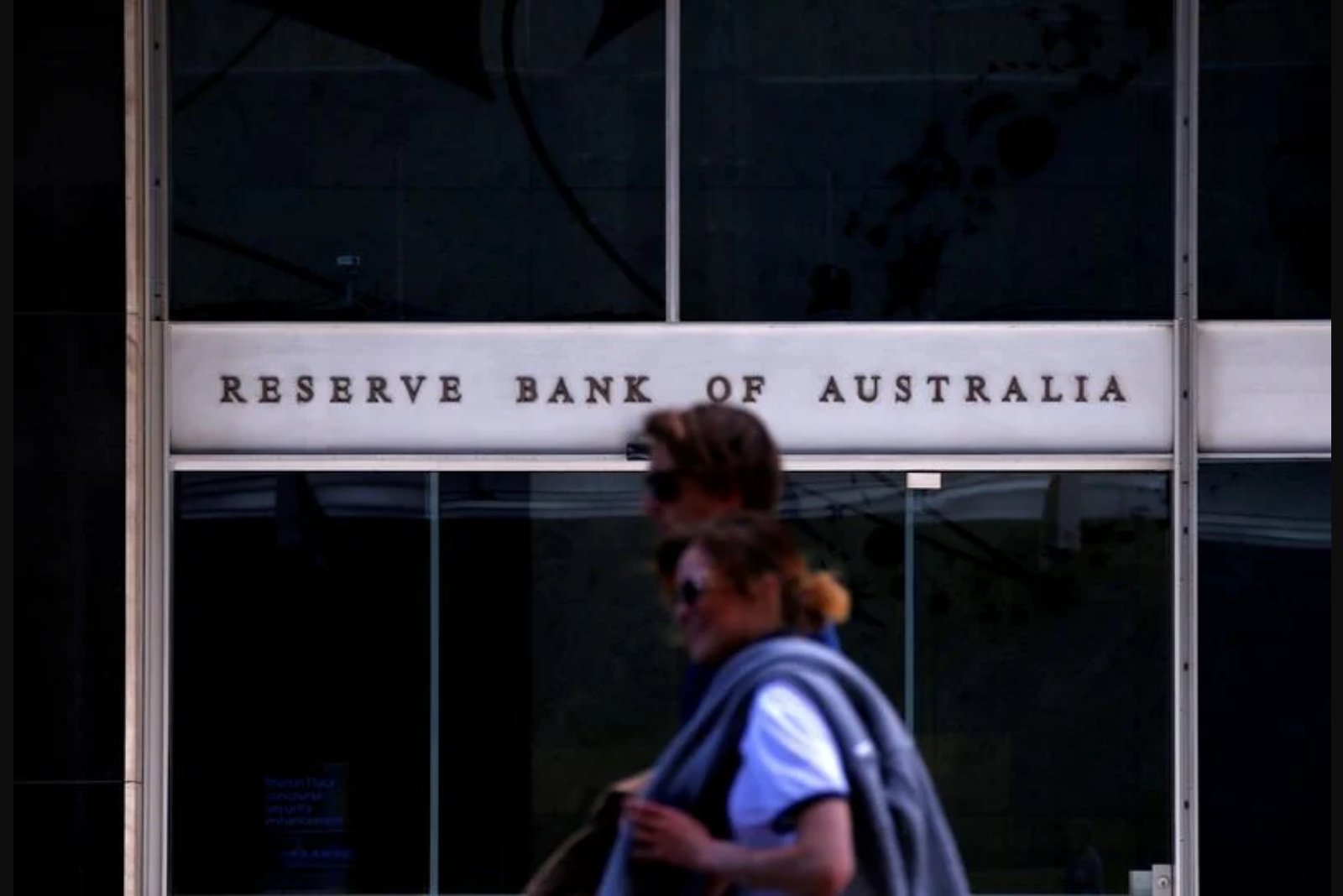
The Reserve Bank of Australia (RBA) opted to leave its cash rate unchanged at 4.35% at the conclusion of its June policy meeting, saying the economy was showing signs of slowing under tighter financial conditions while stressing it remained prepared to lift rates again to rein in inflation.
In a unanimous decision, the RBA paused for the first time this year but reiterated that inflation remains above acceptable levels and that the board will take further action if necessary, including "increasing the cash rate target further if required." The statement made clear the bank is balancing a subdued growth trajectory against persistent price pressures.
Markets had largely anticipated the hold after a sequence of softer domestic indicators on inflation, household spending and labour market dynamics. Developments in the Middle East - specifically a move toward a peace deal that would allow the Strait of Hormuz to reopen - have eased near-term oil-price pressures, reducing one element of upside inflation risk.
Nevertheless, the RBA warned the international situation remains fragile. The board said that the resolution of the conflict in the Middle East is "at an early stage" and that there are credible scenarios in which inflation may be higher and economic activity lower than projected in the bank's May baseline forecasts. The statement added that global oil supply issues will take time to be resolved and will continue to exert upward pressure on energy prices and inflation.
Financial market reactions were modest. The Australian dollar pared earlier losses and traded around $0.7050, down roughly 0.3% at the time of reporting. Shorter-dated government bond yields moved slightly higher; three-year yields rose about 2 basis points to 4.457%.
Interest-rate swaps priced in roughly a 30% probability of a rate move in August and implied market tightening of about 16 basis points for the year, an amount equivalent to less than one full rate increase.
Economic commentators framed the decision as one of caution. Stephen Smith, a partner at Deloitte Access Economics, described the RBA's approach as taking a longer view amid a cloudy outlook, noting the Iran-related developments will not allay market concerns until any agreement is signed, implemented and reflected in lower fuel prices.
The RBA has already raised the cash rate by 75 basis points since February as it sought to combat renewed inflationary pressures driven in part by elevated energy costs. Official data show annual headline inflation eased to 4.2% in April, but an underlying inflation gauge rose to 3.4%, which remains above the RBA's 2% to 3% target range.
Analysts caution that the inflationary effects from the recent near four-month oil shock are not easily reversed. Harry Murphy Cruise, head of economic research for Oxford Economics Australia, noted that much of the consumer price impact from higher input costs - including energy, shipping and agricultural prices - is still filtering through the economy, suggesting underlying inflationary momentum may not fade quickly.
Against the backdrop of elevated interest rates, economic growth has slowed markedly. The economy expanded at just a 0.3% quarterly rate in the first quarter as households pulled back on spending. Labour market slack has increased as well, with the unemployment rate rising to 4.5%, its highest level in four and a half years.
Housing market dynamics have also shifted. A previously record run in home prices has stalled, and proposed government tax changes have contributed to a sharp decline in demand for new investor lending, according to the RBA's commentary.
Looking back, the bank took a relatively gentler path during the initial post-pandemic inflation surge compared with some overseas central banks, prioritising the gains made in employment over aggressive tightening. Interest rates had previously peaked at 4.35% early last year before three cuts lowered the cash rate to 3.6%, a strategy that, the RBA acknowledges, was followed by a renewed bout of inflation that prompted the recent tightening measures.
Implications for markets and financial institutions
- Bank funding and net interest margins may be influenced by further RBA moves should inflation not abate.
- Bond markets remain sensitive to the RBA's guidance; short-term yields edged up after the announcement.
- Household and property sectors are already reacting to higher borrowing costs and tax policy changes that have reduced investor loan demand.
Outlook
The RBA's language signals a data-dependent stance: while the board has paused, it preserved the option to tighten policy again to meet its inflation mandate. The central bank highlighted that ongoing uncertainty around global energy supplies and the early-stage nature of diplomatic progress in the Middle East leave open scenarios in which inflation proves more persistent and activity weaker than currently forecast.