
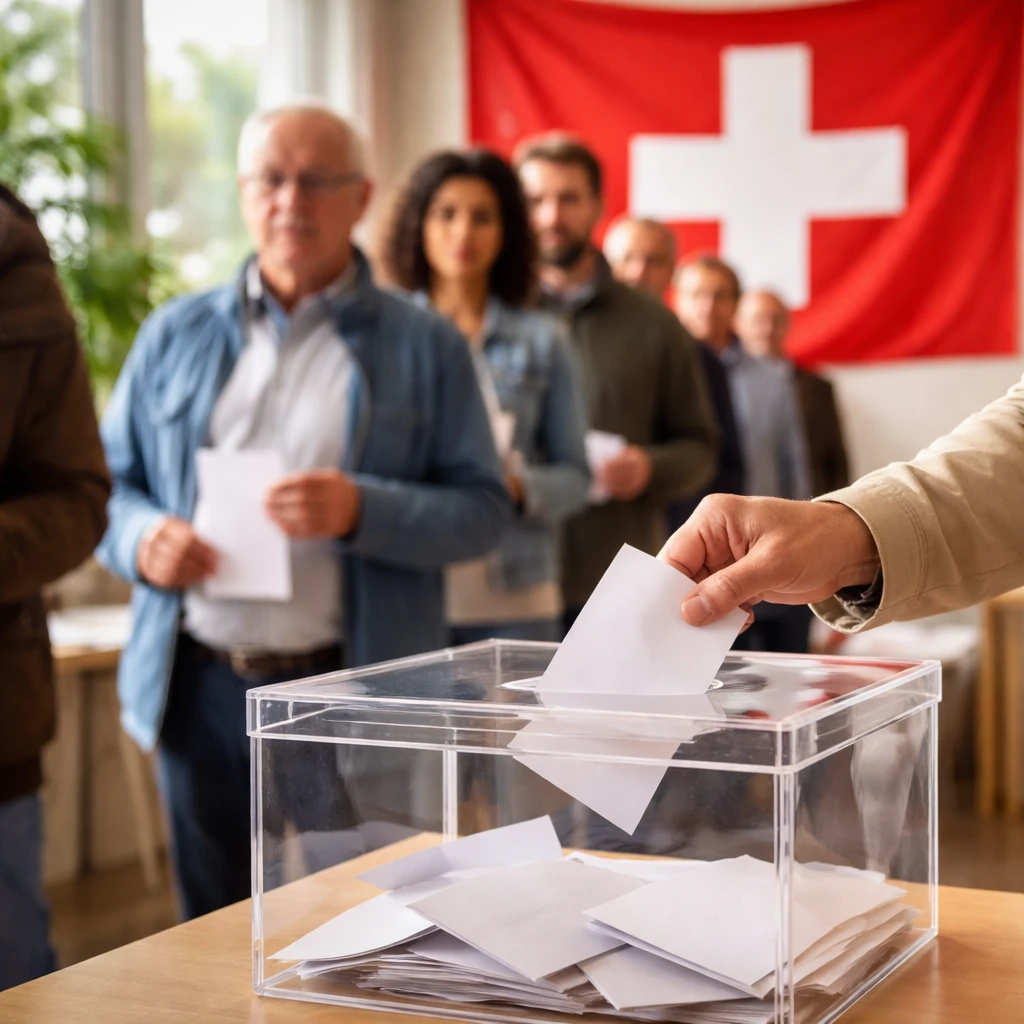
A new pre-referendum poll suggests that Swiss voters are inclined to reject a proposal that would lock a stricter interpretation of neutrality into the constitution and prevent Switzerland from adopting economic sanctions against countries involved in armed conflicts.
The survey, published by Tamedia in the run-up to the Sept. 27 ballot, found that 54% of respondents said they would probably or definitely vote against the measure, while 34% indicated support. The initiative would enshrine permanent neutrality in the Swiss constitution and explicitly forbid the country from imposing economic measures on nations engaged in armed conflict.
The constitutional change was brought forward by an isolationist group with backing from the right-wing Swiss People’s Party, or SVP. The push followed Switzerland’s 2022 decision to adopt European Union sanctions against Russia, a move that sparked debate over whether Bern had departed from its traditional neutral posture.
Both the Swiss federal government and the national parliament have spoken out against the proposal. Officials have said the country should preserve room for maneuver in applying its neutrality policy rather than binding future administrations to a fixed constitutional rule that would restrict their ability to respond to evolving international situations.
According to the poll, support for the initiative is concentrated mainly among SVP voters. Respondents aligned with Switzerland’s other major political parties were largely opposed, the survey showed.
The debate over neutrality has become a focal point of Swiss politics since Russia’s invasion of Ukraine prompted the government in Bern to align with EU sanctions. That decision prompted criticism from groups that viewed the sanctions move as inconsistent with Switzerland’s historical position.
The referendum arrives on the heels of another recent vote in which Swiss electors rejected a separate SVP-backed proposal to cap the country’s population at 10 million people. Observers expect immigration and the country’s relationship with the European Union to remain prominent political themes through the next several years.
Looking ahead, a package of bilateral agreements between Switzerland and the EU is anticipated to be put before voters in a referendum scheduled for either 2027 or 2028. The SVP has already begun campaigning against that accord.
If the current polling pattern persists through to voting day, Switzerland would retain its existing interpretation of neutrality. That outcome would leave the government with broader flexibility to choose whether and how to participate in international sanctions regimes and to tailor responses to specific conflicts.
Contextual note - The Tamedia poll cited here was published in advance of the scheduled September referendum and reflects respondents' stated voting intentions at the time of surveying.