
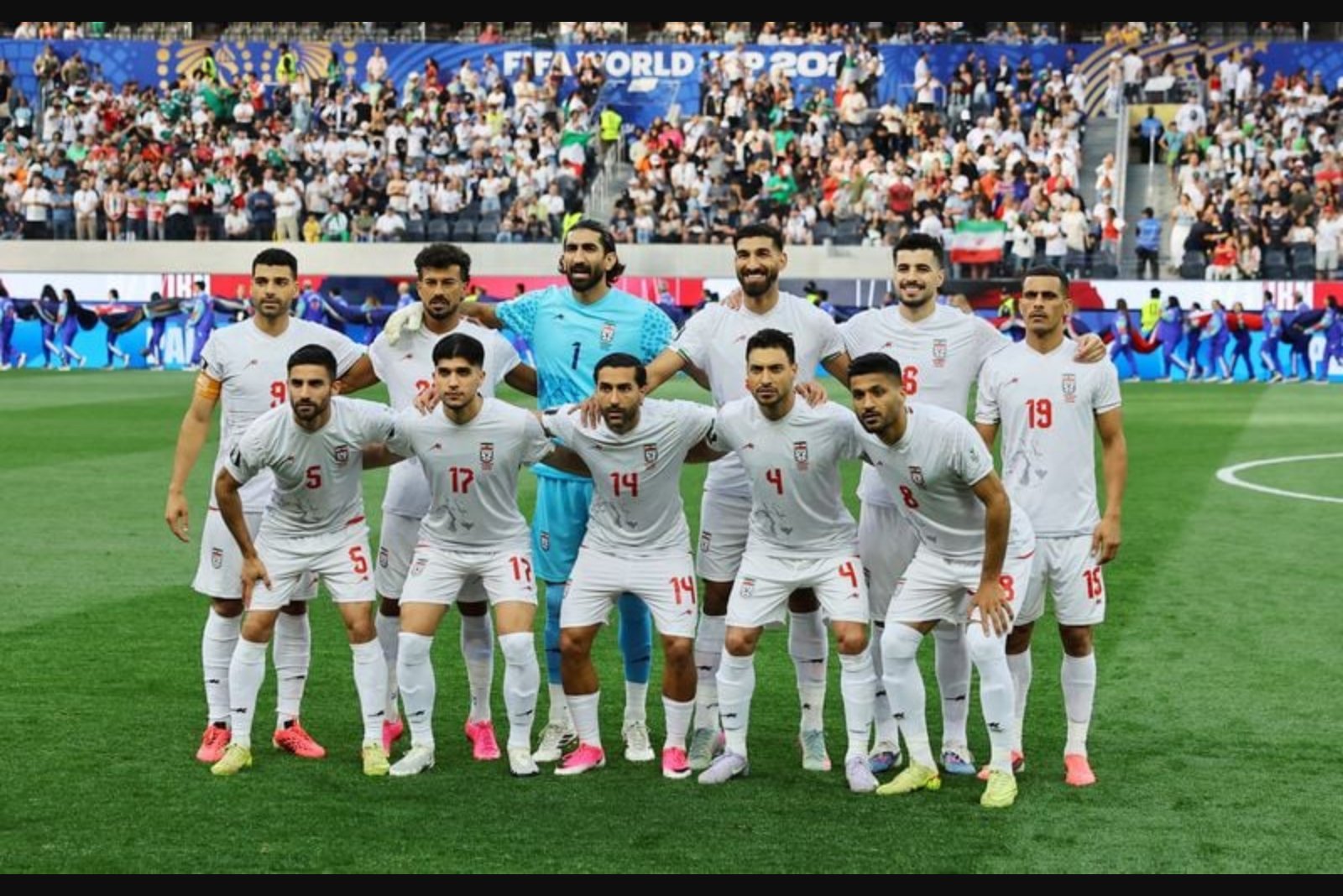
U.S. authorities say they will keep the current travel arrangements for Iran's World Cup squad in force for the moment, while continuing to review the situation ahead of the team’s third group match. The announcement follows complaints from Iran's delegation about limits that confine their travel to venues within 24 hours of kick-off and require the team to return to their training base in Tijuana, Mexico, immediately after each fixture.
The Iranian team has indicated it will lodge a complaint with FIFA, and coach Amir Ghalenoei described his side as "the most oppressed team in the whole World Cup". U.S. officials say the matter remains under active consideration and that further discussions will determine whether any adjustments are made before Iran's scheduled game against Egypt in Seattle, which follows their contest with Belgium in Los Angeles.
Andrew Giuliani, executive director of the White House Task Force for the tournament, described the circumstances as fluid in an exclusive interview in Houston. "The situation is dynamic," he said, adding that the current plan remains in force for now. He explained that after Iran's match with Belgium they are expected to take a short flight back to Tijuana.
"We have a plan right now. Tomorrow afternoon (after the match against Belgium) they will take the 27-minute flight back to Tijuana," Giuliani said. "We will see how it goes for match two, and then there will be discussions the day after in terms of what it looks like for match three in Seattle."
Giuliani defended the operational choices that led to Iran relocating their training base from Tucson to Tijuana before the tournament. He argued the change reduced the team's travel time to Los Angeles and was beneficial for all involved. "The shift from Tucson to Tijuana, I think, was good for everybody involved, certainly it reduces their travel time to Los Angeles too," he said. "Their flight is an hour shorter than it would be from Tucson. And we're happy with the way that things went for match one in Los Angeles."
On the matter of visas, Giuliani said players and coaches have been issued the necessary documentation, while some team officials have not. "All players have received visas. All the coaches have received visas. There are some team officials that have not received visas, and that's because we've seen some derogatory information on them, and this is the balance that we talk about," he said.
Security and visitor protections
Giuliani framed the travel measures and visa decisions as efforts to protect both U.S. interests and the safety of international visitors attending the World Cup. He said that the objective has been to stage an open and welcoming tournament while safeguarding attendees and citizens.
Assessing threats remains an active priority, Giuliani said, noting intensified monitoring by the intelligence community. "What I can tell you is our intelligence community has tripled down on this since the beginning of this year," he said, adding that officials are engaged in ongoing discussions. He stated that, to date, no credible threats to the tournament have been identified.
Reflecting on the early stages of the competition, Giuliani expressed satisfaction with how the opening 10 days have unfolded. "Things are going as planned," he said. "It's been fantastic to see the great play on the pitch, that seems to be the majority of the conversation, which has been fantastic. I think this is an amazing celebration of America over our 250th birthday, with the World Cup being the incredible highlight."
The immediate decisions on Iran's travel protocol will affect the team's logistics for the remainder of the group stage. U.S. officials emphasize that they are prepared to reassess arrangements after the Belgium match and to discuss possible modifications ahead of the Seattle fixture.
For now, the combination of condensed travel windows, the requirement to return to the Tijuana base after matches, and outstanding visa questions for some officials remain the central points of contention between Iran's delegation and U.S. event organizers. Officials maintain these measures are intended to balance access to the tournament with protective considerations for all attendees.