
The European Central Bank increased interest rates on Thursday, responding to inflationary pressures linked to rising oil and gas costs as a result of the Iran war. The bank said the move, long anticipated by markets and economic actors, was intended to curb the risk that a spike in energy prices would lead to sustained higher inflation across the euro area.
Surging oil and gas prices have contributed to inflation above 3% across the 21-nation euro zone in the most recent month - well above the ECB's 2% objective - and the central bank said further increases in inflation were likely if the conflict persists longer than many had expected. "The war in the Middle East is generating inflation pressures, and the decision to raise rates is robust across a range of scenarios mapping out how the shock might evolve and affect the medium-term outlook for the euro area," the ECB said in its statement.
At the same time, the ECB updated its inflation forecasts upward. The bank raised its 2026 inflation projection to 3.0% from 2.6% projected in March, and moved its 2027 outlook to 2.3% from 2.0%. Those revisions accompany a modest downgrade in growth expectations: the ECB lowered its 2026 economic growth forecast to 0.8% from 0.9% three months ago and projected growth of 1.2% for the following year.
Policy makers signalled the rate increase well in advance, in part to anchor longer-term price expectations among firms and households. Despite financial markets pricing in the possibility of two additional hikes over the coming year on the back of the deteriorating price outlook, the ECB cautioned that any further tightening would likely be measured because the bloc's economy is already weakening and sharply higher borrowing costs could raise the risk of a recession.
With this decision, the ECB's main policy rates were raised: the benchmark deposit rate now stands at 2.25% and the refinancing rate at 2.4%. The central bank highlighted that the outlook remains uncertain, with upside risks to inflation and downside risks to economic growth.
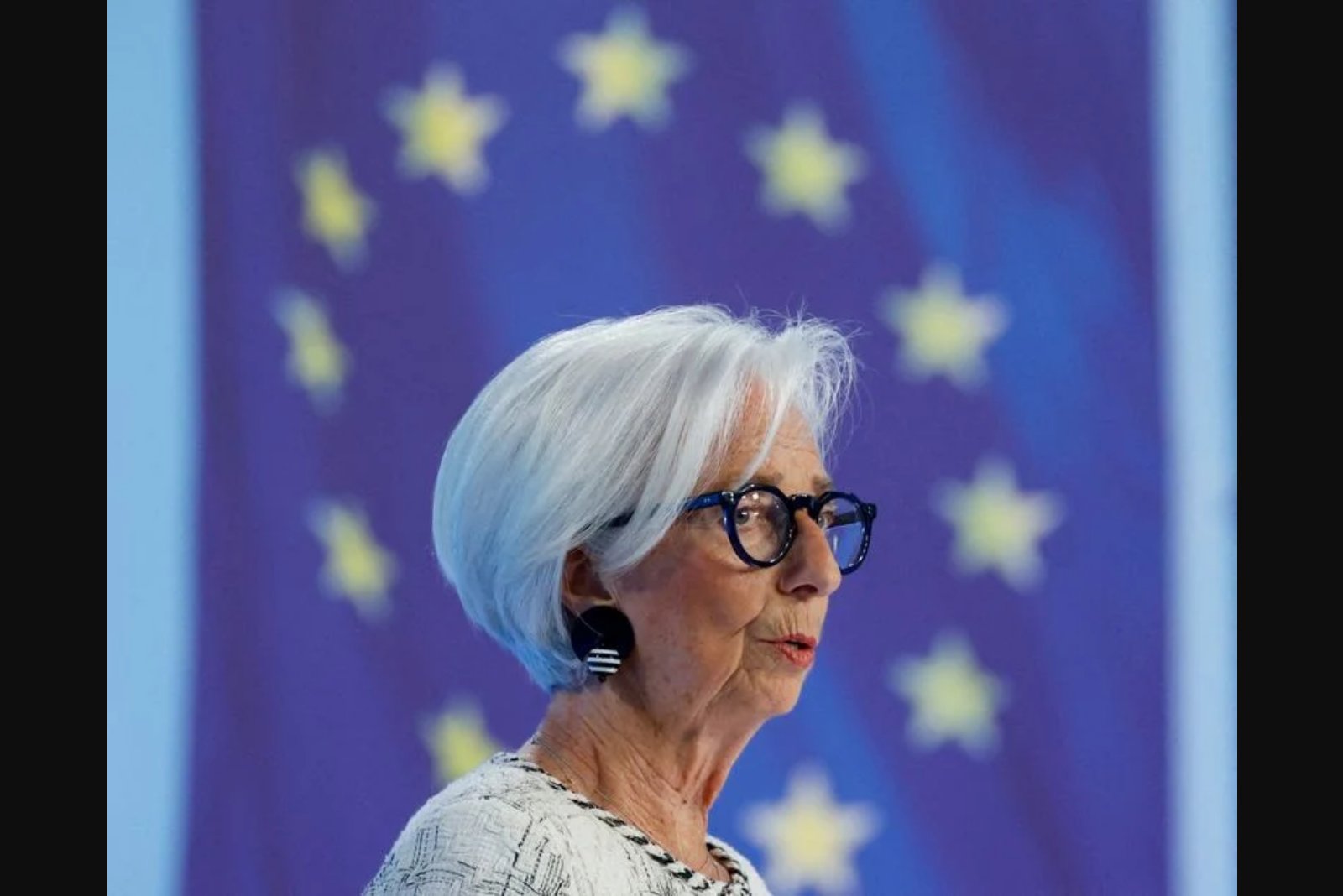
Attention is expected to focus on the 1245 GMT press conference by ECB President Christine Lagarde and newly inaugurated Vice President Boris Vujcic, where officials will outline how they see the path ahead given the competing pressures of elevated inflation and slowing activity.
The policymaker statement and the altered projections make clear the challenge facing the ECB - tempering inflation expectations without inflicting disproportionate harm on an already stuttering economy. The bank described the decision as robust across multiple scenarios mapping the potential evolution of the shock and its medium-term implications for the euro area.
Summary
The ECB raised interest rates and revised up its inflation projections while trimming growth forecasts, citing energy-price pressures tied to the Iran war and signalling a cautious approach to further policy tightening.