
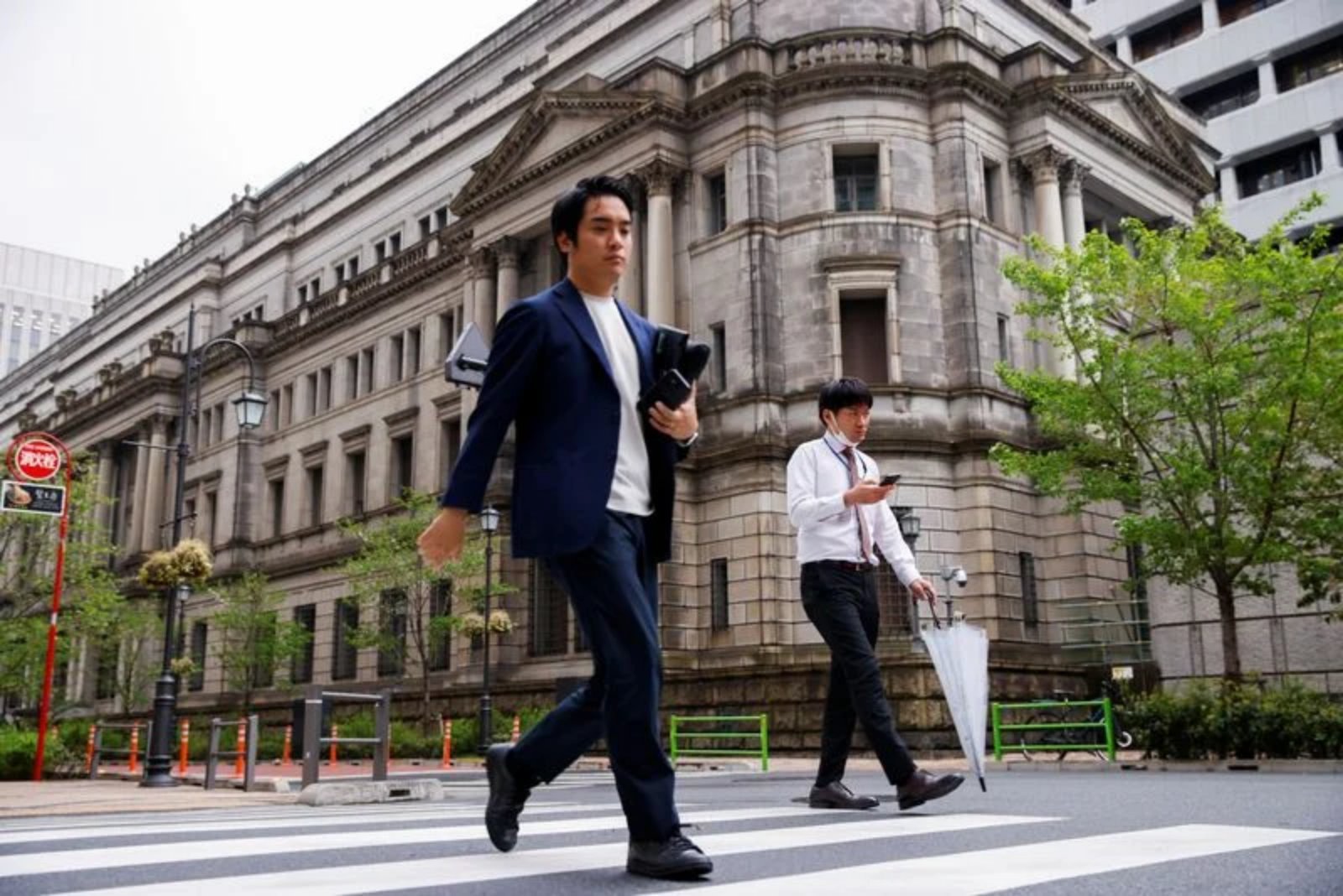
The Bank of Japan is positioned to elevate interest rates to a 31-year peak in the upcoming week, while simultaneously indicating its commitment to further borrowing cost increases. This decisive move comes despite the temporary absence of its governor, as the institution prioritizes countering inflationary pressures potentially exacerbated by the ongoing conflict in the Middle East. The anticipated adjustment will bring the Bank of Japan in alignment with other global central banks that are progressively tightening monetary policy, including the European Central Bank, which recently executed a highly expected rate increase.
Bank of Japan Governor Kazuo Ueda is currently receiving hospital treatment for an infected liver cyst and will be unable to attend the two-day meeting scheduled to conclude on June 16. The remaining eight board members, several of whom have previously expressed concerns regarding escalating price pressures, are expected to increase the policy rate from its current level of 0.75% to 1%. This adjustment would mark a significant departure from previous stimulus measures and elevate rates to levels not seen since 1995.
Saisuke Sakai, senior economist at Mizuho Research Institute, emphasized that Governor Ueda’s absence will not alter the Bank of Japan’s institutional focus on addressing mounting inflation risks rather than growth threats originating from the Middle East conflict. This upcoming rate hike represents the first increase since December and signals a strategic pivot away from the cautious approach that characterized the dismantling of radical stimulus policies implemented by Ueda’s predecessor.
Market participants, having largely priced in next week’s adjustment, are now redirecting their attention toward the timing and trajectory of future rate increases. A recent Reuters poll indicated that economists project the Bank of Japan to raise rates further to 1.25% during the fourth quarter following a June increase to 1%. Investors will closely monitor remarks from Deputy Governor Shinichi Uchida, who will conduct next week’s post-meeting briefing in place of the governor, comparing his language against Ueda’s previous statements for clues regarding potential acceleration of rate hikes.
The central bank is expected to emphasize its determination to continue raising rates as inflation risks persist. Factors such as energy shocks, rising import costs driven by a weaker yen, and a tight labor market are contributing to sustained price pressures. However, sources indicate that the Bank of Japan currently sees little necessity for more rapid or consecutive rate increases due to uncertainties surrounding potential economic fallout from conflicts involving Iran.
Nobuyasu Atago, chief economist at Rakuten Securities Economic Research Institute, noted that while Uchida is considered one of the more dovish board members, he will likely adopt a fairly hawkish tone to prevent undesirable yen depreciation. This creates a complex dilemma for the institution, which aims to avoid pre-committing to specific timing given existing uncertainties, yet recognizes that excessive caution could weaken the yen, elevate prices, and increase the risk of lagging behind inflation trends.
A rate increase to 1% would position the Bank of Japan’s policy rate near the lower end of its estimated nominal neutral range of 1.1% to 2.5%. Despite this cautious alignment, the gradual pace of previous rate hikes has been criticized for contributing to yen weakness, with the currency hovering around the 160-per-dollar threshold often associated with potential intervention concerns.
During next week’s meeting, the Bank of Japan will also evaluate its bond taper plan, which extends through March of the following year, and develop a new framework extending into fiscal 2027 and beyond. Sources suggest the institution may maintain current bond purchase pacing beyond the upcoming fiscal year as it works to stabilize a bond market sensitive to heightened inflation risks stemming from geopolitical developments.
Japan’s wholesale prices increased by 6.3% in May compared to the previous year, marking the fastest acceleration in three years as companies continue transmitting rising costs associated with war-induced energy shocks. Analysts project this price pressure will push core consumer inflation, which has recently dipped below the Bank of Japan’s 2% target due to government subsidies, well above that threshold later this year.