
Canada's federal government has officially launched a national food security strategy that commits C$3.2 billion over a ten-year period to strengthen domestic agricultural production and mitigate grocery inflation.
The initiative is structured around several targeted funding mechanisms aimed at enhancing processing capacity and supply chain independence. A primary component of the plan involves C$1 billion dedicated to food infrastructure, specifically designed to enable independent grocers to secure competitively priced inventory without relying heavily on major retail chains.
To address market concentration concerns, the government will allocate nearly C$130 million to the Competition Bureau and Competition Tribunal. These funds are intended to support investigations into anti-competitive business practices within the grocery sector.
Financial backing for agricultural expansion will be channeled through a C$1 billion Agri-food Project Finance Fund, managed by Farm Credit Canada. This fund is earmarked for financing the expansion of food processing capacity nationwide. Additionally, a C$150 million Food Security Fund has been established to assist small and medium-sized enterprises in upgrading their operational equipment.
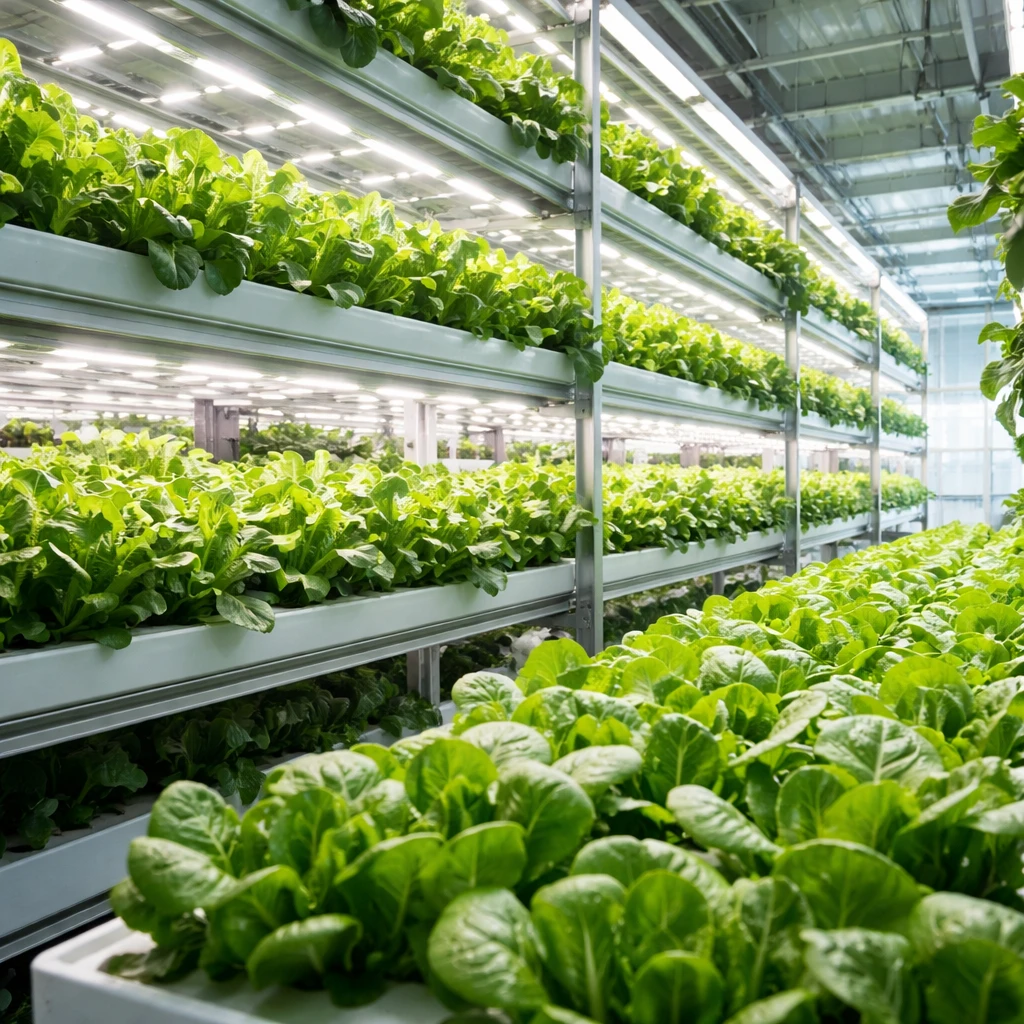
Support for innovation within the sector includes a C$100 million Collaborative Food Innovation Fund, which will provide financial backing to producers seeking to expand their agri-food processing capabilities. The strategy also directs C$750 million toward increasing year-round production of fruits and vegetables through the deployment of greenhouses, vertical farms, and other enclosed growing environments.
Regulatory modernization remains a key pillar of the plan. The government intends to streamline approval processes for essential agricultural inputs, including seeds, feed, fertilizers, and veterinary products, thereby accelerating project timelines.
Prime Minister Mark Carney stated that the strategy is designed to increase domestic food processing volumes while lowering costs for Canadian consumers. Agriculture Minister Heath MacDonald emphasized that the plan will stimulate job creation and enhance national food self-sufficiency by reducing regulatory barriers and enabling faster business implementation.