
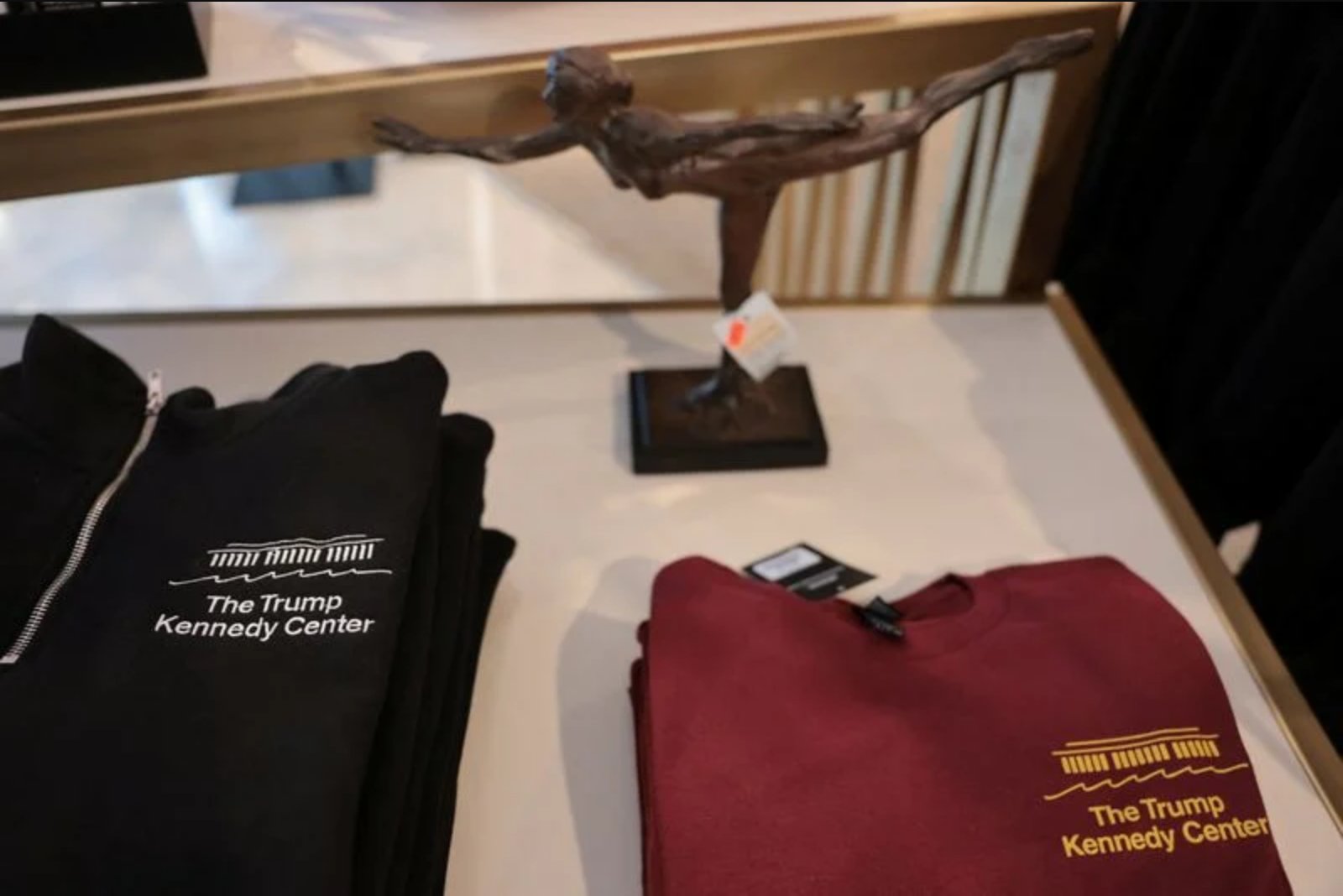
The executive branch lodged an appeal Thursday against a judicial directive requiring the removal of Donald Trump’s name from the Kennedy Center, while simultaneously challenging restrictions on proposed renovations. The filing targets a ruling by U.S. District Judge Christopher Cooper, which determined that federal statute designates the performing arts venue exclusively for former President John F. Kennedy.
Legal Challenge and Statutory Interpretation
The appeal seeks to overturn the order issued on May 29, which mandated the deletion of Trump’s name from the building’s exterior signage, official digital platforms, and associated printed materials. Judge Cooper’s decision emphasized that legislative authority resides solely with Congress to alter the institution's designated title. The legal contest stems from a complaint filed by Democratic Representative Joyce Beatty of Ohio in December.
Beatty serves on the Kennedy Center board ex officio due to her congressional role. She initiated litigation characterizing the renaming action as a breach of statutory compliance and constitutional protocol. Her legal team argued that administrative overreach undermined established governmental procedures. The White House and Beatty’s legislative office declined immediate comment regarding the latest appellate filing.
Administrative Response and Operational Shifts
In response to the judicial decision, President Trump announced via Truth Social that his administration would pursue a full transfer of Kennedy Center management to congressional control. He cited structural integrity concerns as justification for this administrative pivot. The president described conditions at the venue as posing potential public safety risks due to ongoing disrepair.
Directives issued to the U.S. Commerce Department require negotiations with legislative leadership regarding asset transfer protocols. This includes transferring responsibility for daily operations, facility maintenance, and long-term management strategies to lawmakers. The administration frames this action as necessary to address documented infrastructure deficiencies while respecting judicial boundaries.
Venue History and Board Dynamics
The Kennedy Center debuted in 1971 as a commemorative tribute to John F. Kennedy, who was assassinated in 1963. The institution’s governing board voted in December to modify its official name to incorporate Trump’s designation. This modification followed earlier board restructuring efforts initiated by the president last year, which involved replacing existing directors and appointing himself as a trustee.
Renovation Ambitions and Capital Expansion
The administration simultaneously advanced plans for a two-year facility closure beginning in February to execute comprehensive renovation work. This initiative aligns with broader objectives to reconfigure Washington’s monumental district. Proposed developments include constructing a 250-foot arch structure and developing a 90,000-square-foot event hall at the location of the former White House East Wing.
These structural projects represent significant capital deployment in federal real estate development. The renovation timeline and architectural expansions require substantial financial resources and coordination with municipal planning authorities.