
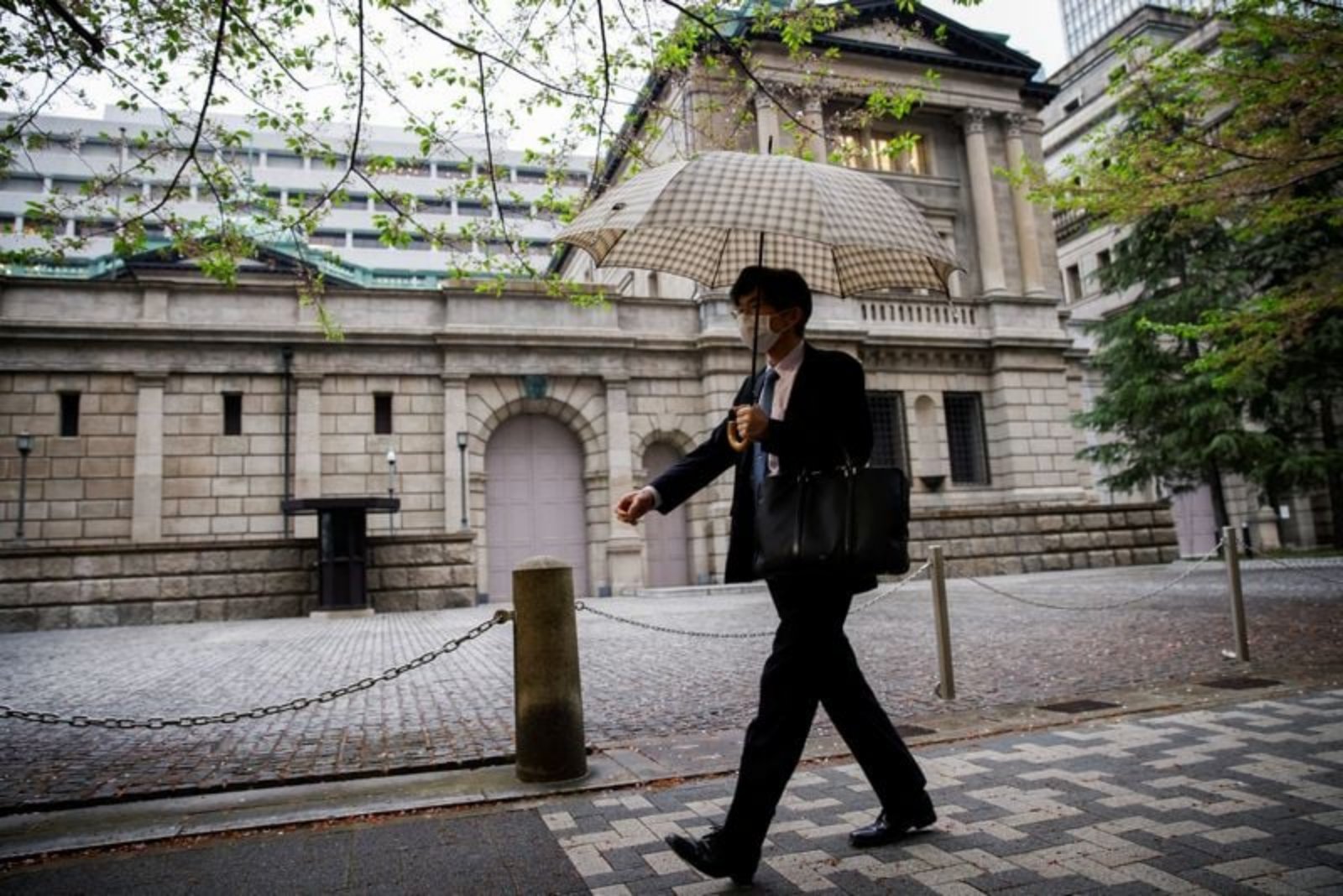
Asian central banks largely executed expected policy steps on Tuesday, with Tokyo implementing a rate increase and Canberra holding steady. Japan raised its short-term policy rate to 1%, a level not seen since 1995, while Australia kept its cash rate at 4.35%.
Initial market reaction in currencies was subdued - neither the yen nor the Australian dollar recorded sharp moves following the announcements. Attention now shifts to the central bank press conferences in both cities, where investors expect hawkish language. Markets have priced in an additional interest-rate hike in Japan this year and attach roughly a 65% probability to a further increase in Australia.
Reserve Bank of Australia Governor Michele Bullock is scheduled to speak at 0530 GMT. An hour later the Bank of Japan will hold a press conference led by Deputy Governor Shinichi Uchida, who is standing in for hospitalised Kazuo Ueda.
Japan's rate increase brought the policy rate to the lower bound of policymakers' estimates for the economy's neutral rate. The move was accompanied by a pause in the central bank's withdrawal from bond-market support - a pause that had been signalled in advance. The Bank of Japan will scale back its government bond purchases by about 200 billion yen each quarter through April 2027, at which point monthly JGB buying is expected to level off at around 2 trillion yen.
In other markets, investors were cautious despite a tentative accord reached over the weekend between the U.S. and Iran. Oil remained above $80 a barrel amid scarce details on the agreement, and shippers warned that it may take weeks to restore confidence for navigation through the Strait of Hormuz.
Market tone was mixed elsewhere. SoftBank shares were steady following a Reuters report that the chief financial officer of the Vision Fund investing arm is departing after a decade. Chinese economic data for May was uneven: retail sales dropped for the first time in more than three years, a development that dampened sentiment and contributed to losses in Hong Kong equities.
U.S. markets had recorded gains overnight. In after-hours trading, SpaceX's market value surpassed $2.6 trillion as its stock rallied to roughly 48% above its listing price. Nvidia surprised debt investors with a large $25 billion bond issuance, which the company said will be used for refinancing and general corporate purposes.
Key items that could influence markets on Tuesday include the German ZEW survey. For reference in currency terms provided in market feeds, $1 was shown as equal to 160.0700 yen.
Traders and investors will be parsing the language from the two central bank briefings, developments around the U.S.-Iran understanding, further Chinese data revisions, and corporate financing moves that have reverberated through debt and equity markets.