
Summary: Asian foreign-exchange markets were largely steady on Tuesday, with the U.S. dollar marginally firmer after dipping to a 10-day low on Monday. Traders said they were waiting for fuller details on a preliminary U.S.-Iran agreement and preparing for several central bank decisions this week, led by a widely expected rate increase from the Bank of Japan.
The U.S. Dollar Index in Asian hours inched up about 0.1% after a session earlier in the week when the preliminary U.S.-Iran accord supported risk appetite and drove oil prices sharply lower. While the diplomatic development eased immediate geopolitical risk, market participants remained cautious pending information on how the agreement will be implemented and whether it will affect traffic through the Strait of Hormuz.
BOJ moves policy rate to 1.0%
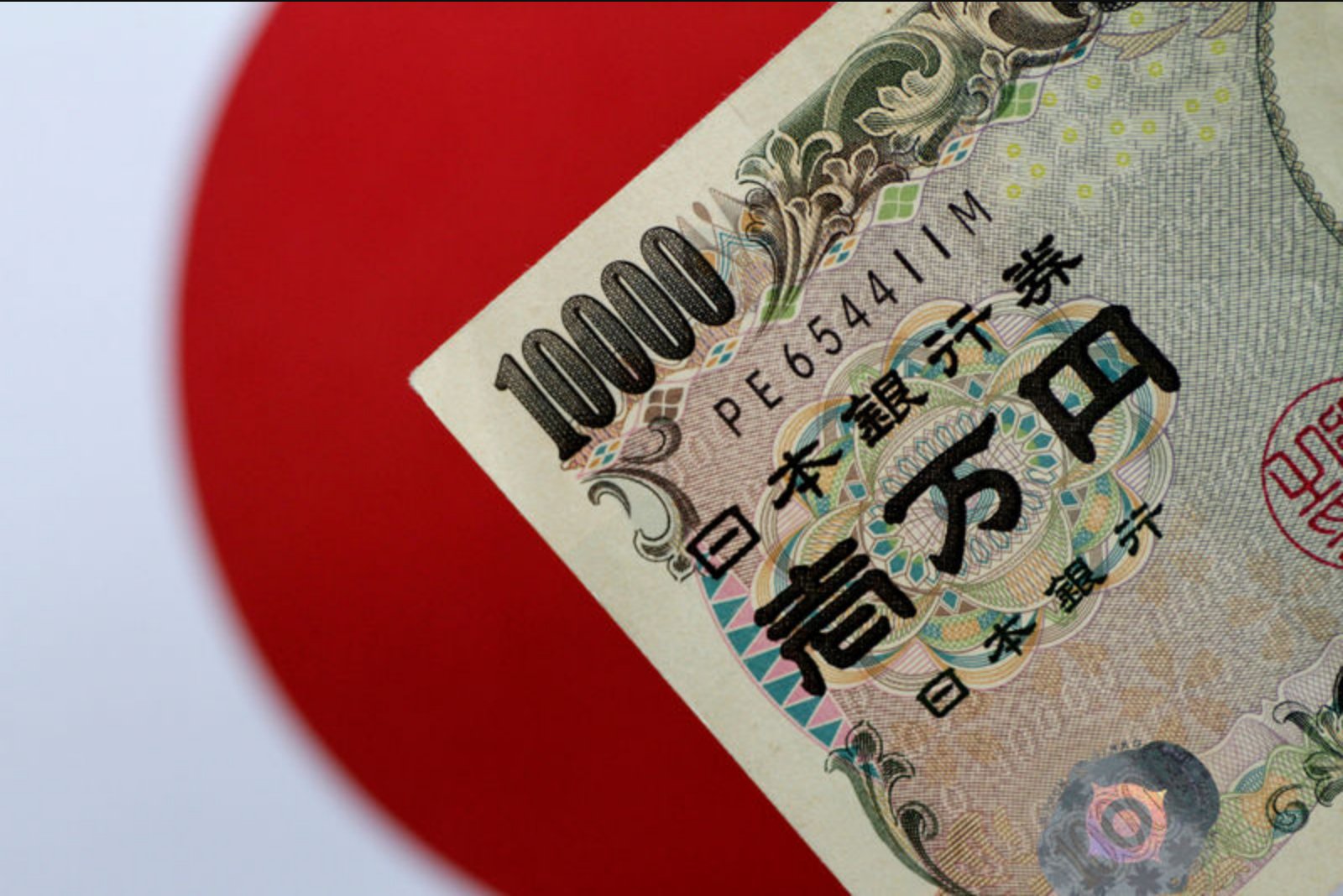
The Bank of Japan raised its short-term policy rate by 25 basis points to 1.0% - the highest level in 31 years - in a move that had been broadly anticipated by markets. The decision was passed by a 7-1 vote. Governor Kazuo Ueda did not take part in the meeting due to hospital treatment; Deputy Governor Shinichi Uchida chaired the session.
Market focus shifted away from the mechanical change in the rate toward the tone of commentary around the outlook for further tightening. Traders watched for indications on how assertively officials expect to proceed with policy normalization.
Following the BOJ announcement, USD/JPY was little changed around the 160.23 level. The currency remained near the psychologically significant 160-per-dollar mark as participants weighed prospects for higher Japanese interest rates against caution in the market. One note observed that how the Deputy Governor frames the path of rates could influence the yen's direction and investor interpretation of future tightening.
Regional FX and broader market context
Overall foreign-exchange moves in the region were muted. The Chinese onshore dollar pair, USD/CNY, and the South Korean dollar pair, USD/KRW, traded flat. The Indian rupee saw relative strength: USD/INR slipped about 0.3%. The Singapore dollar's dollar pair, USD/SGD, was little changed.
The Australian dollar edged down roughly 0.2% against the dollar ahead of a Reserve Bank of Australia policy decision later in the day, where policymakers were expected to hold rates steady. Investor attention then pivoted toward the U.S. Federal Reserve's policy meeting scheduled for Wednesday. The Fed was widely anticipated to keep its policy rate unchanged, but market participants planned to study updated economic projections and guidance closely for signals on the timing of future moves.
While the preliminary diplomatic development between the United States and Iran supported risk assets and relieved some upward pressure on oil prices, traders said the broader FX market had largely priced in the initial news and awaited concrete implementation details before committing to larger directional bets.
Implications
- Central bank messages and subsequent guidance are likely to be the primary drivers of near-term currency flows.
- Geopolitical developments tied to the Iran agreement will remain a watchpoint for energy markets and risk appetite until implementation details are clear.
- Domestic-rate differentials and official commentary in Japan will be key to the yen's path around the 160-per-dollar threshold.