
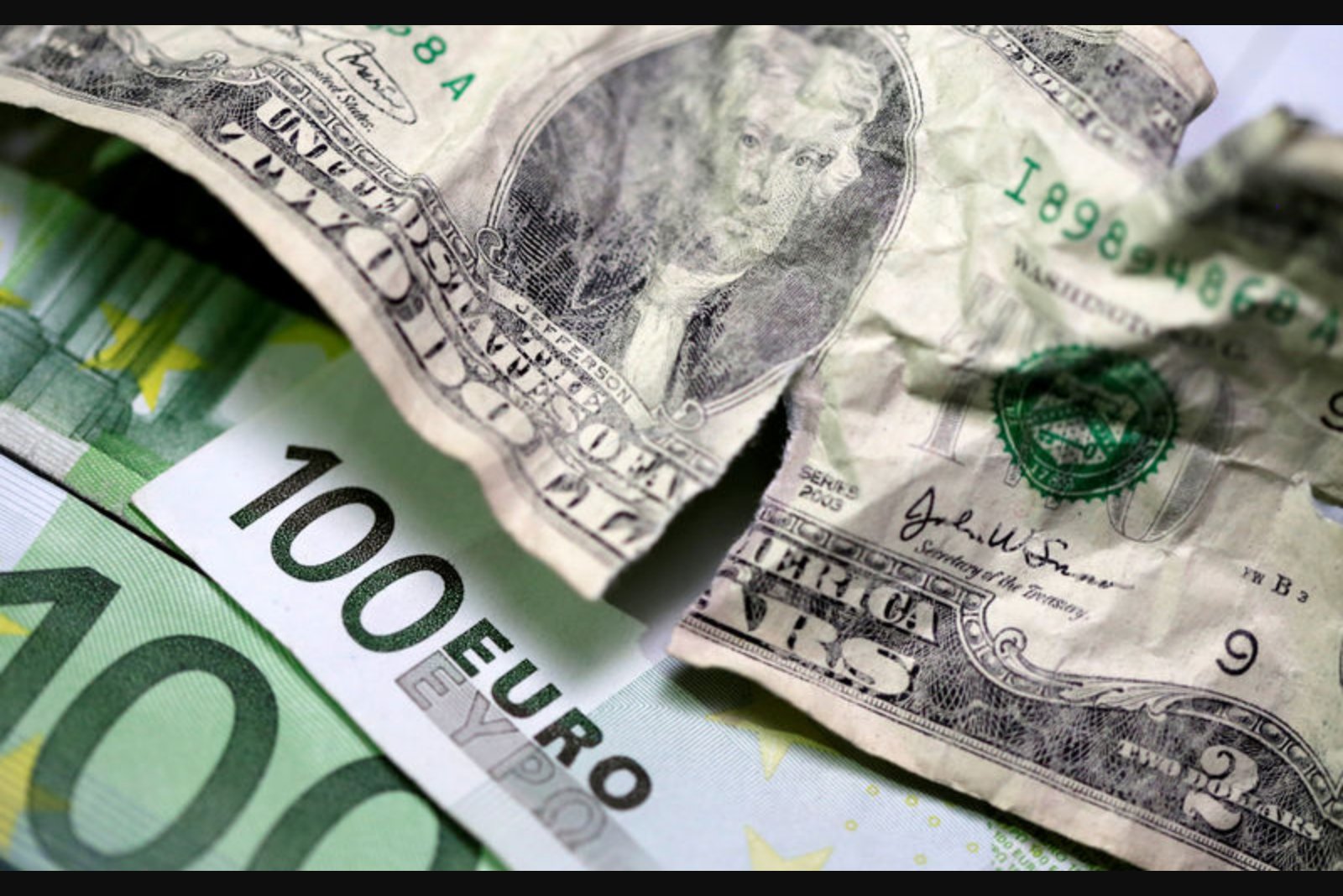
Citi does not anticipate the Federal Reserve delivering a hawkish surprise at this week’s Federal Open Market Committee meeting that would push the dollar decisively beyond its year-long trading range. The meeting will be the first under new Fed Chair Kevin Warsh, and the bank believes most expected adjustments are already priced into markets.
Market consensus, Citi says, leans toward a firmer policy statement and an updated Summary of Economic Projections. Specifically, Citi expects the Fed to remove the easing bias from the statement, revise its core PCE inflation forecast higher, and leave the median projection for 2026 unchanged. The bank notes it is possible that one or two members could shift a dot toward a hike, but it treats that outcome as a risk rather than the most likely case.
According to Citi, those anticipated technical adjustments are unlikely to provoke a large FX move because market participants have already built them into prices. The firm points to the press conference as the main source of uncertainty, focusing on how Chair Warsh addresses current market-implied policy pricing. Citi quantifies that market pricing as roughly 18 basis points of rate hikes through year-end, with a first fully priced hike expected in March 2027.
In Citi’s baseline scenario, Warsh will emphasize his preference for less forward guidance and provide answers that the bank characterizes as ambiguous regarding market pricing. That reluctance to offer clear forward guidance, Citi argues, should blunt the potential for a sharp U.S. dollar move to the downside.
Macroeconomic and geopolitical developments are additional considerations for the bank. Citi flags rising odds of a U.S.-Iran deal and the prospect of weaker CPI as factors that could allow the Fed to look through commodity-driven inflation impulses, particularly those stemming from goods and energy. Combined with what Citi describes as a neutral message from Warsh and the recent success of a large IPO last week, the firm sees conditions that could help risk assets stabilize and potentially rally.
In FX markets, Citi expects such a stabilization to encourage the resumption of carry trades, which the bank prefers to fund with euros and Canadian dollars. The bank cautions, however, that because dollar long positions have already been unwound and because the DXY dollar index sits near what Citi judges fair value, there may be limits to a rapid or extensive wave of dollar selling.
On medium-term currency outlooks, Citi continues to project EUR/USD moving toward 1.14, while acknowledging the potential for a downside overshoot stemming from relative growth differentials. The bank argues that clearer evidence global front-end yields have peaked and that conflict-related risks are receding may be prerequisites for that path to play out.
Near term, Citi recommends using episodes of dollar softness around the FOMC meeting to add to EUR/USD short positions. The firm identifies resistance near 1.1660-1.1680 as an attractive entry zone for shorts, noting that this area coincides with the 200-day moving average and several other historically significant technical reference points.
Contextual note: Citi highlights the press conference tone and market pricing as the primary drivers of FX reaction after the Fed meeting, while also emphasizing the interplay between geopolitical developments, inflation dynamics, and market positioning.