
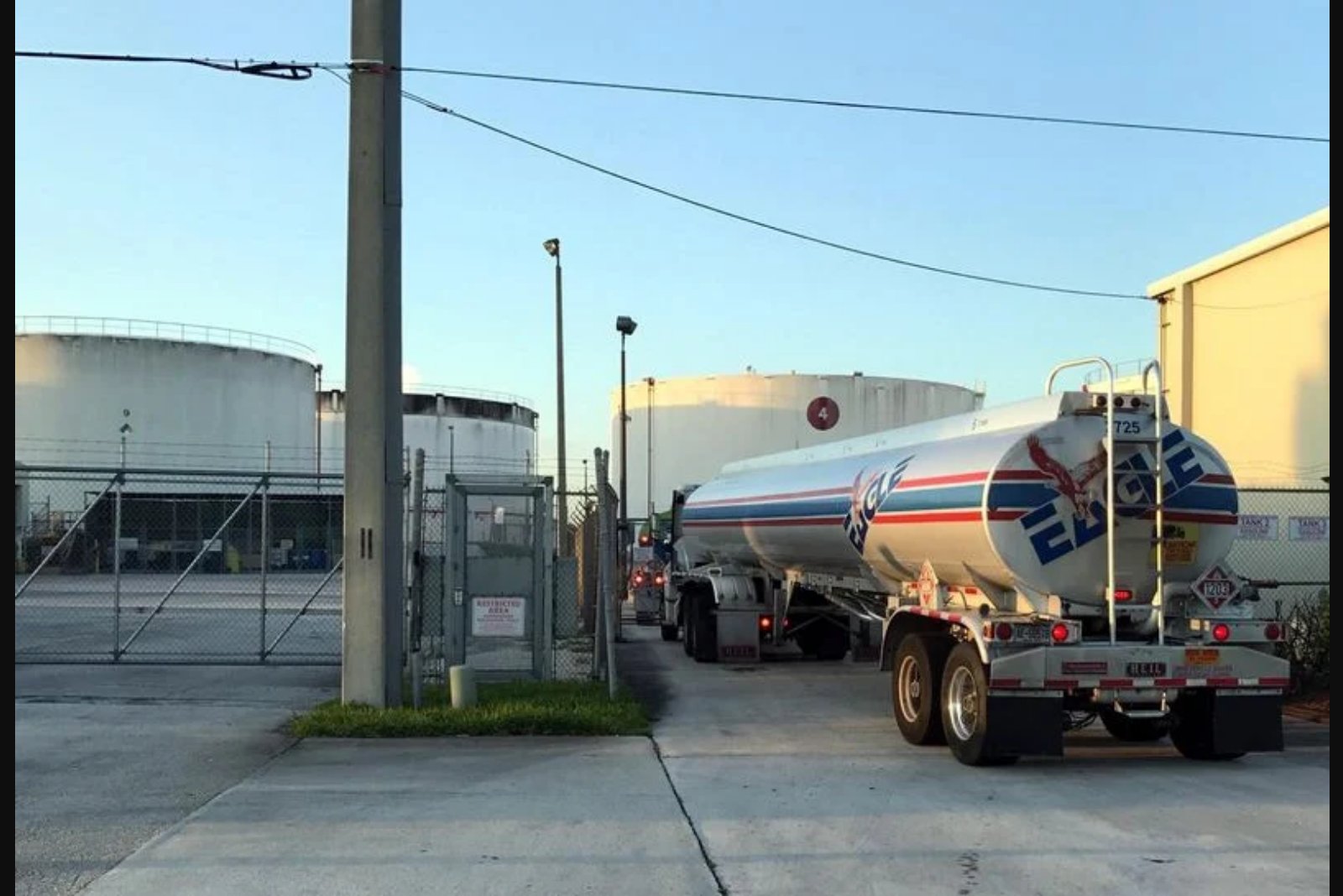
Summary: The U.S. Transportation Department has authorized a temporary adjustment to hours-of-service rules for truck drivers hauling gasoline and diesel. The 90-day waiver increases the maximum allowable on-duty time to 16 hours in a 24-hour period, subject to mandatory rest breaks, with the stated purpose of addressing short-term shipment delays and easing potential impacts on fuel availability and costs.
U.S. Transportation Secretary Sean Duffy announced on Wednesday that the administration will temporarily relax federal hours-of-service limits for drivers moving gasoline and diesel. The waiver, which takes effect immediately and runs for 90 days, permits such drivers to operate up to 16 hours within any 24-hour window instead of the 14-hour limit under current rules, as long as they observe the required rest breaks.
The Department of Transportation's Federal Motor Carrier Safety Administration (FMCSA) said it implemented the action "in anticipation of the need for greater hours-of-service flexibility." The agency framed the move as a response to potential short-term supply chain interruptions that could delay gasoline and diesel shipments and, by extension, affect broader freight deliveries.
Officials cited a sharp rise in diesel costs as part of the context for the waiver. The U.S. average diesel price reached a record $6.29 per gallon, up from $3.74 a year earlier, according to the Energy Information Administration, the department said. The announcement linked that price increase and supply pressure to the U.S.-Israel war on Iran and attacks by Ukraine on Russian refineries, which it said are squeezing available supply.
The FMCSA detailed that the waiver is intended to help "respond to global supply disruptions, anticipated increases in the demand for gasoline and diesel fuels in the late summer and fall," and to mitigate effects on the cost and availability of fuel for transport providers, agricultural harvesting activities, and the public as demand expands.
Not all carriers or drivers are covered. Motor carriers that hold conditional safety ratings remain excluded from the waiver. The agency also affirmed that drivers who need immediate rest retain the right to take 10 consecutive hours off-duty before resuming work.
Regulatory waivers of this kind have been issued in prior emergencies and disasters. The FMCSA noted that similar orders have been used to address crises such as wildfires, hurricanes, and winter storms. It pointed to a national emergency order from March 2020 that waived service requirements for commercial vehicle drivers involved in transporting emergency coronavirus relief, food for emergency restocking, and supplies and equipment ranging from masks to disinfectant.
The department warned that global diesel supplies are expected to remain tight due to a lack of spare refining capacity, Russia's ban on exports, and the approach of peak winter demand. The waiver is presented as a short-term operational flexibility measure to help maintain fuel movement and reduce potential disruptions as demand pressures intensify.
Context and implications: The waiver expands operational hours for a specific subset of freight operators to address immediate logistics strains tied to fuel supply and cost. The FMCSA emphasized targeted application and preserved limits for driver rest where necessary. The agency framed the change as preemptive, aiming to smooth fuel delivery challenges if supply chain issues or seasonal demand increases materialize.