
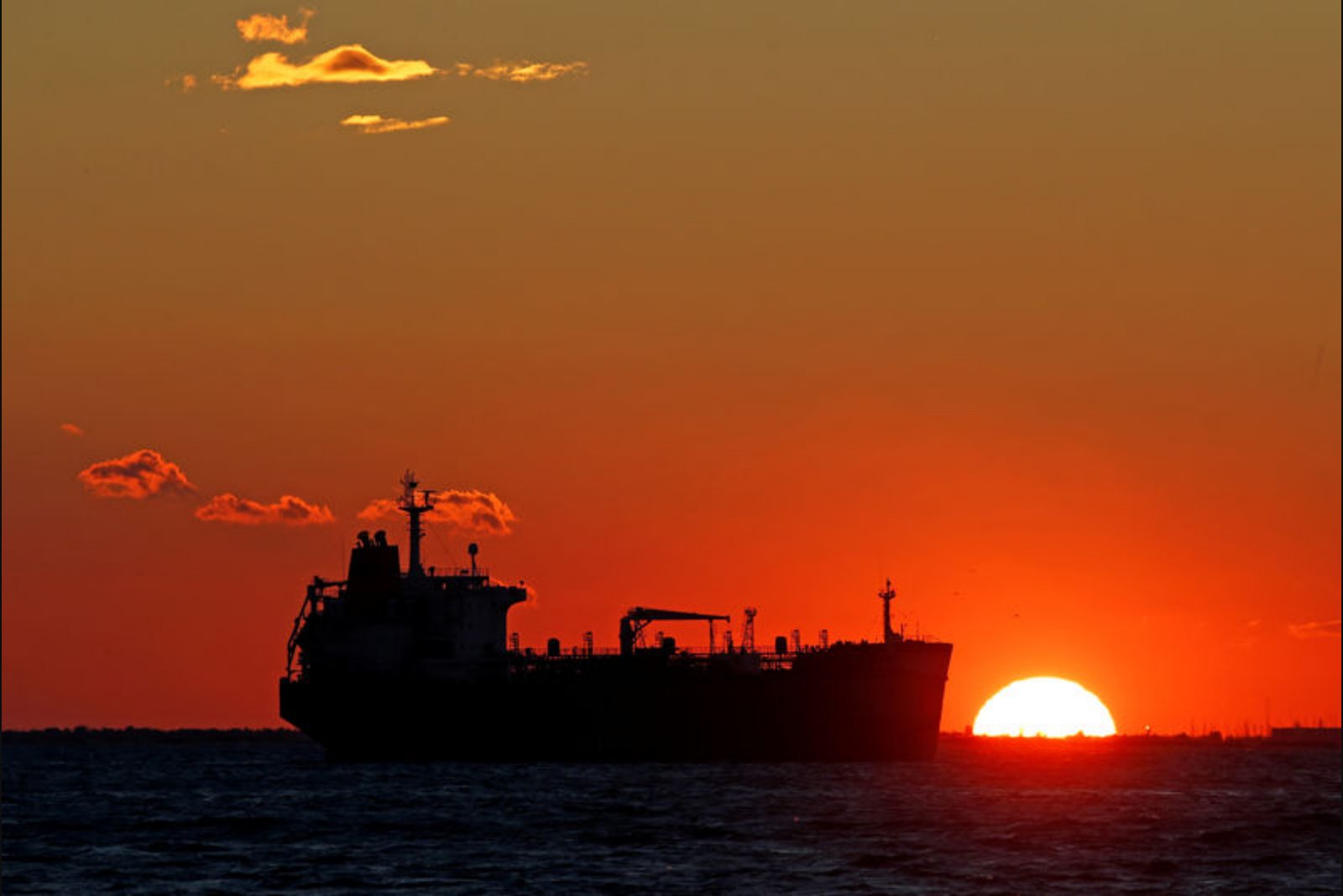
A U.S. military aircraft fired two missiles into the engine room of the tanker Jalveer off Oman on Thursday, U.S. Central Command said, marking the third strike this week on tankers crewed by Indian nationals.
Centcom said in a statement that "a U.S. aircraft fired two Hellfire missiles into the ship’s engine room after the crew repeatedly failed to comply with directions from U.S. forces." The command added that U.S. forces had "acted against" the Guinea-Bissau flagged tanker as it "attempted to transport oil from Iran through the Gulf of Oman."
Indian authorities reported the 20 crew members were safe following the strike and that evacuation operations were underway in coordination with the Royal Navy of Oman. A representative of India’s foreign ministry, Randhir Jaiswal, told reporters that the "attacks must cease and end."
This incident follows two other actions this week involving Indian-crewed tankers. A U.S. strike on the Settebello off Oman a day earlier resulted in the deaths of three Indian sailors. Earlier in the week, the Marivex oil tanker was disabled by precision munitions on Monday. Of the three vessels struck this week, U.S. authorities say the Marivex was the only one subject to U.S. sanctions.
U.S. forces have been enforcing a blockade of Iran-related shipping that began on April 13, Centcom said, a response the statement links to disruptions in shipping through the Strait of Hormuz. In describing enforcement actions, Centcom said the blockade had, as of Thursday, disabled nine non-compliant vessels, redirected 135 others, and allowed 42 vessels supporting humanitarian aid to pass.
Centcom has said the targeted ships include Iranian-flagged vessels as well as ships carrying Iranian cargoes. The statement referred specifically to so-called shadow fleet tankers - typically older vessels that lack Western insurance and operate under the flags of various nations, which are used to transport sanctioned oil and can obscure ownership, cargo and movements.
The Jalveer attack was described by U.S. forces as an action taken after repeated failures to follow directions. Indian shipping ministry officials confirmed the crew were safe and being evacuated with the assistance of Omani naval authorities. The Indian foreign ministry spokesperson’s call for an end to the "attacks" reiterated New Delhi’s public stance following the earlier fatal strike on the Settebello.
No additional details regarding the condition of the tanker or the status of its cargo were provided in the Centcom statement beyond the characterization that the vessel had been "attempting to transport oil from Iran through the Gulf of Oman."
The sequence of enforcement actions this week underscores the operational scope of the U.S. blockade, which Centcom says has involved disabling and redirecting vessels that do not comply with directions. Beyond the immediate humanitarian and human-cost dimensions reported by officials, the incidents have direct bearing on commercial shipping operations and vessels carrying Iranian cargoes in the Gulf of Oman and nearby shipping lanes.