
Commodities April 27, 2026 07:44 AM

Traffic Through Strait of Hormuz Stays Low as U.S.-Iran Talks Stall

Ship tracking and satellite data show only a handful of vessels transited the waterway amid an uneasy ceasefire and a U.S. blockade

By Priya Menon
Traffic Through Strait of Hormuz Stays Low as U.S.-Iran Talks Stall

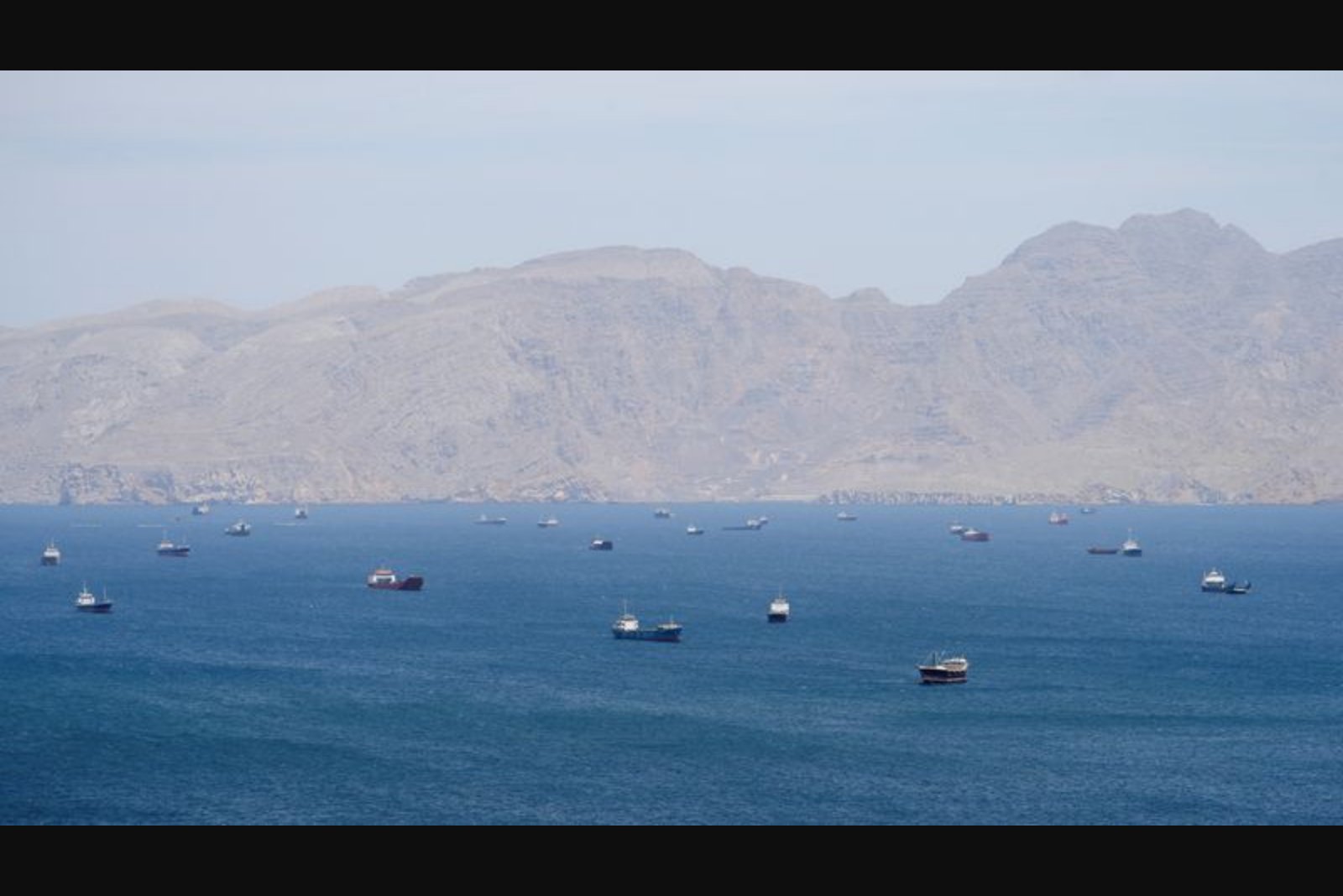
Ship movement through the Strait of Hormuz remained limited in the past 24 hours, with at least seven vessels - largely dry bulk ships - recorded transiting the chokepoint. Data providers and satellite analysts say this muted activity comes as negotiations between Iran and the United States have stalled and U.S. military measures redirect some vessels.

Key Points

  • At least seven ships, mainly dry bulk vessels, transited the Strait of Hormuz in the past 24 hours, with departures from Iraqi ports and one from an Iranian port.
  • Current traffic is a small fraction of the roughly 140 daily passages seen before the conflict began on February 28, according to tracking data.
  • U.S. Central Command reported redirecting 37 vessels since the blockade began on April 13; satellite analysts from TankerTrackers.com reported six Iranian tankers carried about 10.5 million barrels back through Hormuz, and about four million barrels passed through the U.S. blockade on April 24.

April 27 - Ship and satellite tracking data indicate that maritime traffic through the Strait of Hormuz remained subdued over the most recent 24-hour period, with at least seven vessels recorded transiting the strategic waterway, the data show.

Those movements were predominantly made up of dry bulk carriers. The tracked vessels included ships departing from Iraqi ports and one dry bulk vessel departing from an Iranian port, according to ship tracking firm Kpler and satellite analysis by data analytics specialists SynMax.

The recorded passage volume stands in sharp contrast to pre-conflict activity. Analysts note the current flow represents only a small fraction of the roughly 140 daily passages that were common before the conflict began on February 28.

Recent U.S. military activity has also affected transit patterns. The U.S. Central Command reported that 37 vessels have been redirected since a blockade was put in place on April 13, with that figure provided on April 25.

Satellite monitoring of oil movements has also captured notable activity. TankerTrackers.com reported that six Iranian tankers returned to Iranian ports and then sailed back through the Strait of Hormuz in recent days carrying a combined estimated total of some 10.5 million barrels of oil. In a separate analysis, TankerTrackers.com estimated that around four million barrels of Iranian oil on tankers transited through the U.S. blockade on April 24.

Observers describe the present period as an uneasy ceasefire between Washington and Tehran, and tracking firms say talks between the two governments have stalled. The reduced throughput recorded in the latest data reflects that diplomatic and military context.


Context and implications

The Strait of Hormuz remains a key maritime chokepoint for global shipping and energy flows. Current tracking and satellite data point to a marked reduction in routine passage counts during the window of limited hostilities and military restrictions.

Sources cited in the tracking and satellite reports include Kpler, SynMax, TankerTrackers.com and the U.S. Central Command. Those organizations provided the vessel counts, routing and oil volume estimates referenced above.

Where data are limited, the coverage reflects what the tracking providers and military statement made publicly available; no additional transit figures or operational details have been provided beyond those cited.

Risks

  • Persistently reduced transit volumes through the Strait of Hormuz could affect shipping schedules and logistics for sectors dependent on Middle East maritime routes, particularly dry bulk and oil shipping.
  • The imposition of a U.S. blockade and the redirection of vessels presents operational risks for carriers and may increase freight and insurance costs for affected maritime trades.
  • Stalled diplomatic talks between Iran and the United States create uncertainty around the duration of the uneasy ceasefire and associated military measures, which could prolong disruption to passage and oil flows.

More from Commodities

Gulf economies face deepest downturn since pandemic as conflict disrupts energy lifeline Apr 27, 2026 Merz Criticizes Iran for Humiliating U.S. as Diplomatic Talks Falter Apr 27, 2026 European Gas Retreats as Talks Between Washington and Tehran Show Signs of Movement Apr 27, 2026 U.S. Agrees to Allow Venezuelan Government to Pay Maduro’s Defense Counsel Apr 27, 2026 Service Firms Move Stored Rigs Back Into Play in Venezuela as Contract Review Advances Apr 27, 2026