
Summary
Gulf Cooperation Council (GCC) economies are bracing for their steepest slowdown since the pandemic as spillovers from the U.S.-Israel war with Iran batter the region's energy sector. A poll of 18 economists carried out between April 8 and April 24 finds several Gulf economies swinging from expected growth in January to outright contraction for 2026, driven by a historic disruption to energy exports and damage to refining and gas infrastructure.
How the shock unfolded
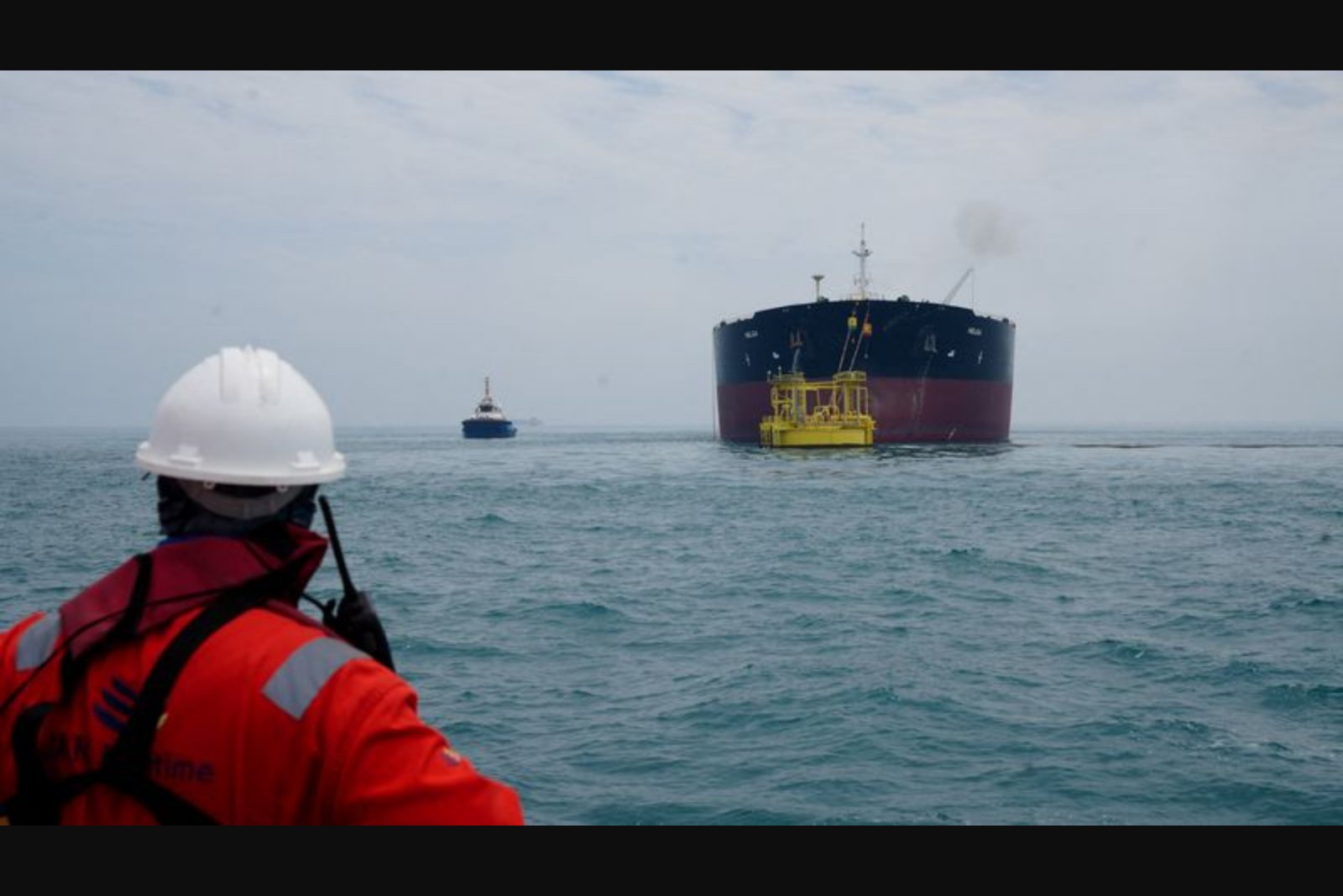
Higher oil prices have historically delivered windfalls to Gulf states that rely heavily on hydrocarbon exports. This episode is different. The near-total closure of the Strait of Hormuz - through which about one-fifth of global energy supplies transit - together with damage to refineries and gas plants in Saudi Arabia, the United Arab Emirates, Kuwait and Qatar, has produced a supply shock drawing comparisons to the 1970s.
Oil prices are roughly 40% above their pre-conflict level, yet several countries are expected to see their economies shrink in 2026 as production losses and infrastructure damage undercut output.
Country-level downgrades and outlook
The poll’s median estimates show sharp revisions compared with forecasts made in January:
- Qatar is now projected to contract 6.0% this year, a reversal from a 4.9% expansion expected in January.
- Kuwait is forecast to shrink 4.4% this year, down from a 3.4% growth expectation in January.
- Bahrain is seen contracting 2.9%, compared with a 2.9% expansion forecast earlier in the year.
- The UAE’s growth is expected to stagnate in 2026, instead of expanding by 5.0% as predicted three months ago.
- Saudi Arabia and Oman are expected to be relatively more resilient, with growth of 2.6% and 2.2% respectively, though both figures are reduced from January forecasts of 4.3% and 2.8%.
Those estimates were produced by 18 economists surveyed during April 8–24 and reflect the immediate economic damage from shut-ins and physical harm to energy facilities.
Analysts’ perspectives on recovery and structural impact
Analysts caution that even with a recovery, the path back to pre-conflict output is likely to leave the region at a lower GDP level for some years. "We do not expect a simple return to the pre-war growth path," said Ralf Wiegert, head of MENA economics at S&P Global Market Intelligence. He added that while the recovery could be relatively swift, rebuilding damaged assets and restoring supply chains could take through the second half of 2026.
Beyond direct energy losses, the non-oil economy faces a second layer of shock. "The second layer of shock is the non-oil economy, especially important for Saudi Arabia, the UAE, Qatar," said Lluis Dalmau Taules, an economist at Allianz. He noted that the region had been the fastest-growing in tourism in recent years and that disruptions will affect retail and related services.
Projected rebound in 2027, conditional on conflict resolution
Economists in the poll expect a rapid rebound in 2027, but those projections assume the conflict ends in the near term and energy production and transport normalise.
- Qatar is forecast to expand 7.8% in 2027.
- The UAE and Kuwait are expected to grow 5.4% and 5.0% respectively next year.
- Saudi Arabia, Bahrain and Oman are forecast to expand 4.5%, 4.3% and 2.8% respectively.
Goldman Sachs economists emphasized both the scale and unevenness of the shock: "The prolonged delay in returning to full production capacity due to damage and shut-ins will have a significant but uneven impact on GCC economies and public finances," they said. However, they also noted expectations for a robust rebound longer-term, supported by high public investment financed by a recovery in hydrocarbon revenues and high government savings.
Inflation and fiscal pressures
Steeper oil prices are contributing to global inflationary pressures that extend to the Gulf states. Poll medians project higher inflation in several countries for 2026 compared with January forecasts:
- Bahrain: 2.4% (up from a 1.4% forecast in January)
- UAE: 2.6% (versus 1.9% previously)
- Qatar: 2.6% (versus 2.0% previously)
- Kuwait: 2.9% (versus 2.3% previously)
- Oman: 1.7% (versus 1.4% previously)
- Saudi Arabia: 2.0% (forecast unchanged)
Higher inflation, combined with lower hydrocarbon output and repair costs, could strain public finances unevenly across the region.
Market and sector implications
The immediate shock is concentrated in energy production and transport, with knock-on effects for tourism, retail and other services in which the Gulf had seen rapid growth. Public investment is expected to play a central role in the recovery, while fiscal buffers and government savings will be important to manage the uneven impact on public finances.
Conclusion
The poll of 18 economists indicates the Gulf is facing a deep, energy-driven recession in 2026 with a potential for a strong rebound in 2027 if the conflict ends and damaged infrastructure is repaired. The scale of the downturn and the uneven recovery underscore the importance of both restoring energy capacity and addressing the hit to non-oil sectors such as tourism and retail.