
Overview
Oilfield service contractors that had kept drilling rigs and specialized equipment in storage in Venezuela are once again taking those assets out of warehouses for inspection, repair and assembly, according to four sources involved in the preparations. The activity comes as the Venezuelan government conducts a formal review of oil and gas contracts following a broad reform of the country’s principal oil law earlier this year.
Contract review and producer submissions
Since the new oil law was approved in January, both foreign and domestic producers operating in Venezuela have been submitting required documentation and negotiating how their contracts will be ratified or amended. The government-mandated review must be completed by the end of July. Sources say that this process has already produced some initial outcomes - including area expansions, new block awards and asset swaps - that are driving renewed planning for drilling campaigns.
Rigs being reactivated
Several foreign firms have recently removed at least nine rigs, rated between 500 and 1,500 horsepower, from storage in Venezuela to prepare them for onshore deployment. In addition, five more rigs are being evaluated before any movement. The sources view these actions as a sign that service providers are growing more confident that fresh drilling work will materialize.
Sanctions-era storage and current positioning
It remains unclear how many rigs and specialized items are still in storage overall. Some companies withdrew equipment from Venezuela following sanctions imposed by Washington in 2019 on the country’s energy sector, while others left gear onshore and placed it in storage. The 2019 measures limited the activities of some major U.S. service firms, including SLB, Halliburton, Baker Hughes and Weatherford International.
Geographic focus and operators
The equipment being prepared would support projects run by joint ventures between state-run PDVSA and private producers in Venezuela’s two main oil regions: the Orinoco Belt and Lake Maracaibo. Foreign service providers say they prefer to contract with firms that have long operating histories in Venezuela and a track record of reliable payments.
Most PDVSA partners have not yet finalized new drilling campaign plans. However, as part of recent arrangements with the government, producers including Chevron, Repsol and Shell have publicized fresh projects and announced plans to expand output, which will require additional rig capacity.
Supply needs and production targets cited by officials
Venezuela’s new oil minister, Paula Henao, has told investors and equipment providers that the country is seeking pumps, frequency converters, wellheads, valves, pipelines, gas compressors and chemicals for drilling, production, processing and transport of crude and gas. Presentations attributed to Henao estimate that if such equipment is sourced, total crude production could rise to 1.37 million barrels per day by year-end from a current 1.1 million barrels per day.
Industry responses and signals
Requests for comment to Venezuela’s Oil Ministry, PDVSA and Chevron did not receive replies. Repsol and Shell declined to comment. In recent corporate communications, Halliburton said it has been discussing commercial terms with customers for operations in Venezuela after touring some facilities. SLB described Venezuela as continuing to be an exciting "growth opportunity."
Stored rigs versus imported equipment
Companies that already have equipment located in Venezuela may be in a better position than those that would need to import gear. Local inventories avoid some of the documentation and licensing steps required both in Caracas and in Washington - including contract filings, export paperwork and U.S. Treasury clearances - and would allow faster deployment.
Yet many of the rigs in storage will require repairs before they can be sent to oilfields. One source noted that if repair costs exceed $1 million per rig, companies would typically need to secure medium-term contracts of about 12 months to justify the expenditure.
An oil executive involved in Venezuelan operations said, "Many companies are first reactivating the rigs they have in Venezuela as challenges to import, especially big equipment, remain." The executive cited bureaucratic obstacles, an absence of firm contracts, and payment concerns stemming from prior years when service firms had to write down debts related to PDVSA’s payment delays.
Current rig activity and future needs
Venezuela had only two drilling rigs listed as active in the Baker Hughes rig count at the end of March, a figure sources said corresponds to units working on Chevron projects. The Baker Hughes list typically does not include smaller workover rigs. In a presentation, the oil ministry identified a need for 93 rigs through 2028 to support a planned increase in output, with most demand focused on the Orinoco Belt.
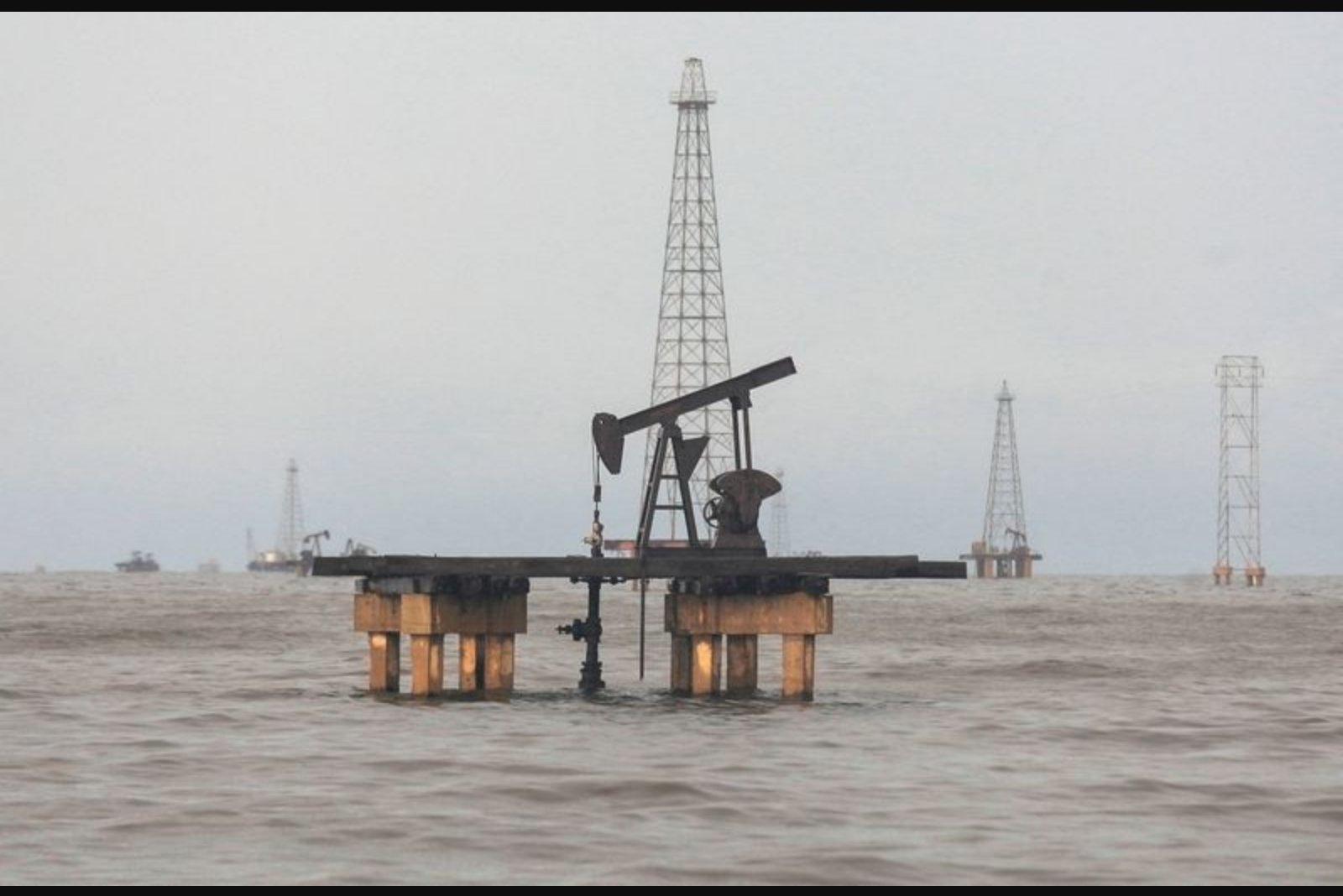
At Lake Maracaibo, sources expect France’s Maurel & Prom to complete the installation this year of at least one drilling barge, the second barge to be installed in recent years in that area following the arrival of a jackup rig operated by China Concord Resources Corp.
Conclusion
The ongoing contractual review, the modest number of rigs already being readied and early project announcements together indicate a cautious reactivation of oilfield work in Venezuela. Operational and commercial hurdles remain - including repair costs, contract certainty and payment reliability - but recent movements of equipment from storage show that some companies are positioning to respond quickly should the review lead to a sustained uptick in drilling activity.