
Commodities August 21, 2026 04:13 AM

Tehran Says It Must Prepare to Withstand 'Unjust Sanctions' as U.S. Announces Sweeping Measures

Iran's parliamentary speaker links economic resilience to national security and urges stronger Baghdad-Tehran trade ties and local-currency settlements

By Nina Shah
Share
Twitter Reddit Facebook LinkedIn

DUBAI, Aug 21 - Iran's parliament speaker Mohammed Baqer Qalibaf said Iran must plan to overcome what he called 'unjust sanctions' after U.S. Treasury Secretary Scott Bessent announced what he termed the toughest sanctions ever on Iran and said details would be published on Monday. Speaking in Baghdad to Iranian and Iraqi business representatives, Qalibaf accused the United States and Israel of waging economic and 'cognitive' warfare and urged closer economic cooperation between Tehran and Baghdad, including using national currencies in trade to reduce dependence on the U.S. dollar.

Tehran Says It Must Prepare to Withstand 'Unjust Sanctions' as U.S. Announces Sweeping Measures
Summarize with
ChatGPT Perplexity Claude Grok Gemini

Key Points

  • U.S. Treasury Secretary Scott Bessent announced what he described as the toughest sanctions ever on Iran and said the measures will be detailed on Monday - this announcement frames the immediate policy environment.
  • Iranian parliamentary speaker Mohammed Baqer Qalibaf said Iran must plan to overcome "unjust sanctions," linking economic development to national security and accusing the United States and Israel of economic and "cognitive" warfare.
  • Qalibaf called for stronger economic ties between Baghdad and Tehran and suggested the two countries could use their national currencies in trade to reduce reliance on the U.S. dollar - measures that touch banking, foreign exchange and bilateral trade sectors.

DUBAI, Aug 21 - Iran's parliamentary speaker Mohammed Baqer Qalibaf said on Friday that the country must make concrete plans to withstand and ultimately overcome what he described as "unjust sanctions." His remarks came a day after U.S. Treasury Secretary Scott Bessent said Washington was imposing what he called the toughest sanctions ever on Iran, and that the measures would be outlined on Monday.

Qalibaf, who is one of Iran's most influential political figures and serves as Tehran's lead negotiator in talks with the United States, tied economic development closely to national security in his address to business leaders.

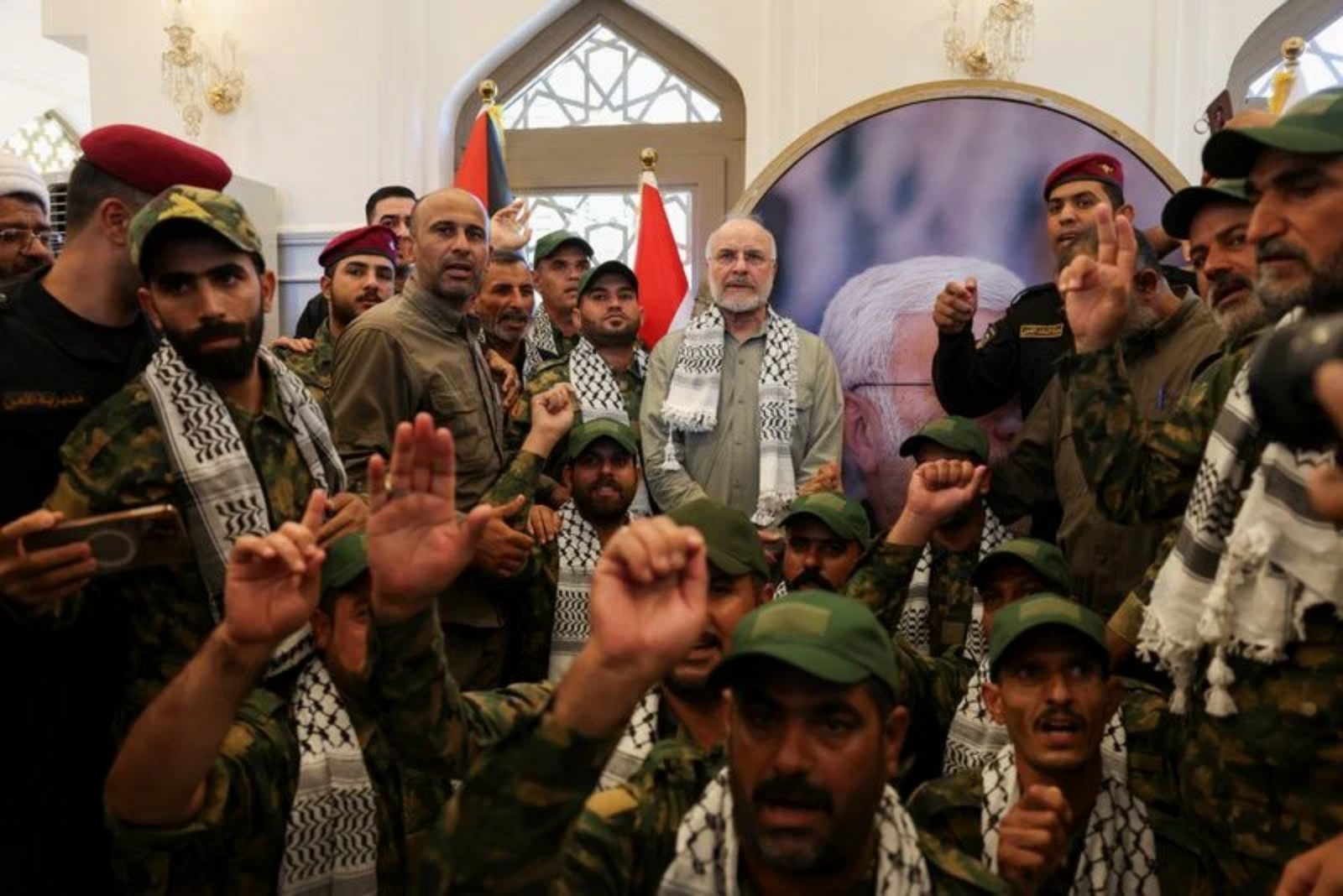
Addressing a gathering of Iranian and Iraqi business representatives in Baghdad, and according to a post on his Telegram channel, Qalibaf accused the United States and Israel of resorting to economic and "cognitive" forms of warfare after concluding they could not prevail in a direct military confrontation with Iran and Iraq.

He said: "If you look at the resources and raw materials of Muslim countries, you will realize that our enemies come to plunder them." He added: "Therefore, we must make plans to deal with the unjust sanctions so that we can overcome them."

In the same session Qalibaf urged deeper economic ties between Baghdad and Tehran. He proposed that the two countries could conduct more trade using their respective national currencies, with the goal of reducing reliance on the U.S. dollar for bilateral transactions.

The announcement by U.S. Treasury Secretary Scott Bessent on Thursday described the sanctions as the toughest yet imposed on Iran and indicated that the detailed package would be published on Monday. Bessent also said the measures could lessen the need for further major military operations, a point he made when outlining Washington's approach.

Qalibaf's comments emphasize the Iranian leadership's view that economic measures imposed from abroad are part of a broader strategy aimed at weakening Iran and other regional states through non-military means. His call for planning to manage and overcome sanctions, and for closer economic coordination with Iraq including possible currency arrangements, reflects a policy focus on economic resilience amid heightened external pressure.

The public remarks, made in Baghdad and reported via Qalibaf's Telegram channel, underscore the interplay Tehran sees between sanctions, trade policy and national security, and signal Tehran's intent to pursue mechanisms intended to shield economic activity from external financial constraints.

Risks

  • Uncertainty about the content and scope of the sanctions that U.S. Treasury Secretary Scott Bessent said will be detailed on Monday - this could affect cross-border trade and banking relationships in the region.
  • Potential escalation in economic pressure if sanctions prove extensive, which could disrupt trade flows and financial channels between Iran and external partners, impacting importers, exporters and financial institutions.
  • Unknown practical and operational challenges in shifting bilateral trade to national currencies; implementation risks could affect currency markets and banking operations involved in Iraq-Iran trade settlements.

More from Commodities

U.S. military says it completed latest round of strikes on Iran as exchanges escalate Sep 1, 2026 Oil rises for third day as U.S.-Iran clashes stoke supply disruption fears Sep 1, 2026 Oil Nears 1% Gain After Fresh U.S.-Iran Strikes, Supply Risks Rise Sep 1, 2026 Tropical Storm Edouard comes ashore near Texas-Louisiana border, brings heavy rain and gusty winds Sep 1, 2026 West African crude demand softens as regional differentials widen Sep 1, 2026