
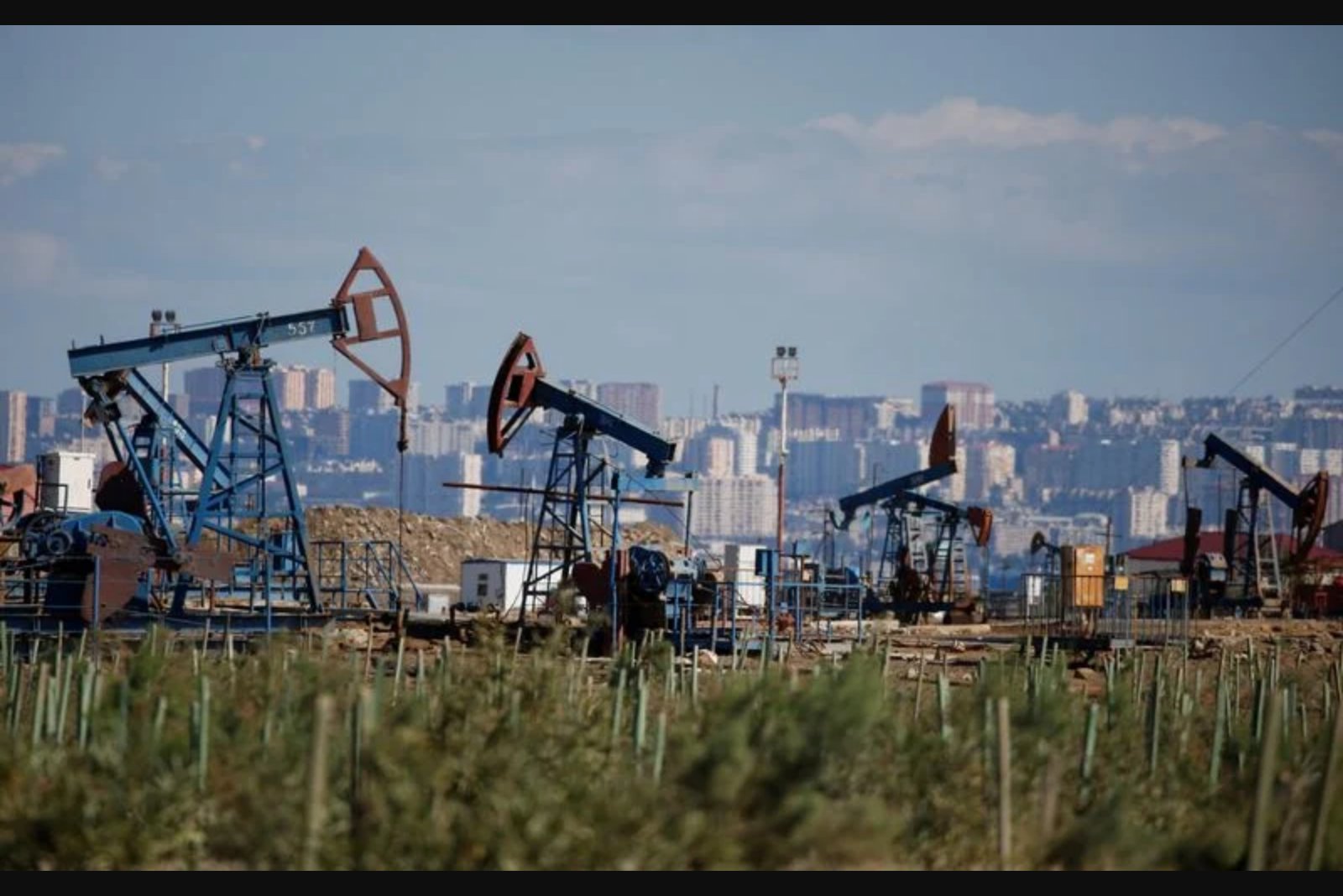
Oil prices advanced close to 1% in early Wednesday trading, extending a sharp jump from the previous session as fresh hostilities between the United States and Iran intensified concerns about global supply. By 0008 GMT, Brent crude futures had risen 87 cents, or 0.92%, to $95.52 a barrel, while U.S. West Texas Intermediate crude futures were up 80 cents, or 0.89%, at $91.02.
Both contracts had surged by more than $4 on Tuesday, with that move representing Brent's largest one-day increase since July 24 and WTI's biggest since July 23. The latest uptick came after U.S. forces said they conducted a series of airstrikes on targets in Iran overnight and Tehran mounted its own responses, marking the most serious escalation between the two countries in weeks.
Military exchange and regional reactions
U.S. Central Command, in a post on X, framed the strikes as a response to recent attempts by Iran's Islamic Revolutionary Guard Corps to attack commercial shipping in the Strait of Hormuz and to target American service members deployed to the region, saying, "The strikes follow recent attempted attacks by the IRGC against commercial shipping in the Strait of Hormuz and against American service members deployed to the region."
The IRGC said the U.S. attacks would further restrict traffic through the Strait of Hormuz, a vital maritime corridor that before the conflict carried roughly one-fifth of the world's oil consumption. The IRGC also reported it had struck a U.S. military base in Jordan with ballistic missiles, claiming heavy U.S. casualties, while Iranian state media described a large-scale drone attack on a U.S. base in Bahrain in retaliation for the American strikes.
Jordan's military said its air defenses intercepted 10 of 13 ballistic missiles that entered its airspace. Two U.S. officials told reporters that no American casualties had been reported so far from the attacks. Kuwait's armed forces said they were responding to hostile drone activity.
Impact on shipping and oil flows
Traders are already dealing with disrupted crude shipments following two tanker attacks on Monday as the vessels departed the Strait of Hormuz. The incidents have added to strain on supply lines and have forced market participants to reroute cargoes and identify alternative crude sources, contributing to the rally in oil prices.
The recent exchange of strikes follows a weekend flare-up, the first notable escalation since July, and has reduced hopes of a rapid de-escalation in the near term.
U.S. inventory movements
Domestic stock movements in the United States, the world's largest oil producer, also factored into market sentiment. Crude inventories fell by 2.6 million barrels in the week ended August 28, while distillate stocks, which include diesel and heating oil, decreased by 265,000 barrels, according to market sources citing American Petroleum Institute data.
Outlook
Markets are now balancing the immediate price impact of supply concerns with updates on military developments and inventory data. With the Strait of Hormuz cited as a potential choke point and tanker attacks already disrupting shipments, traders and industry participants will be watching for further security developments and official inventory releases that could influence near-term crude pricing.