
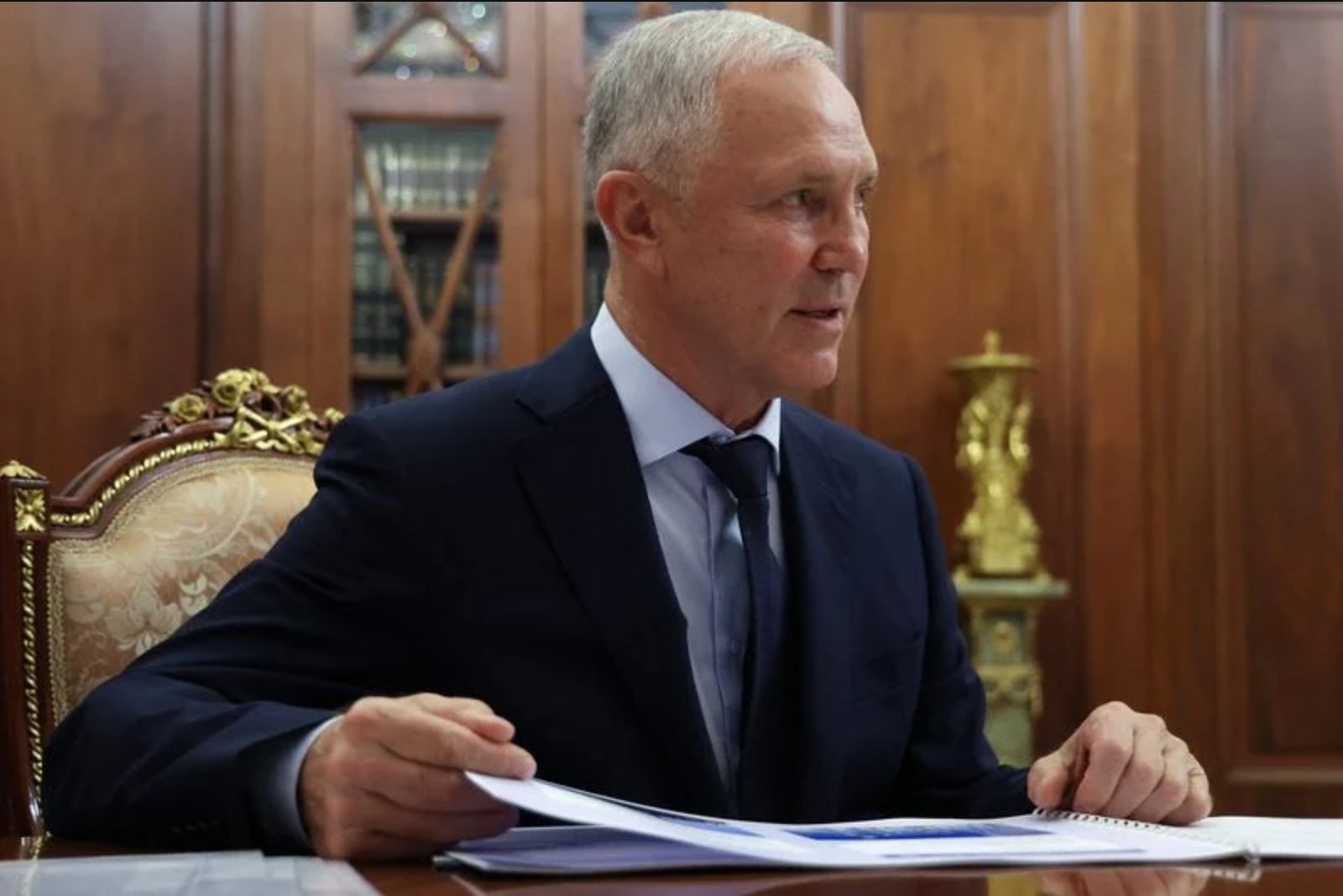
Russian-installed regional authorities reported interruptions to electricity supply in areas of Ukraine’s Kherson region under Russian control, with the Russia-appointed governor Vladimir Saldo posting on Telegram that power had been cut either fully or partially early on Friday. Saldo did not provide additional details on the scale or causes of the outage.
In Sevastopol, the largest city on the Crimean peninsula which Russia annexed in 2014, local authorities said power provision was being limited as a deliberate measure to prevent overloads on an already strained network. Officials linked the network pressure to recent Ukrainian drone strikes, which they say also precipitated a fuel crisis in the area.
Crimea’s Russia-installed governor Sergei Aksyonov announced on Thursday that the number of trains serving the peninsula - a popular destination for Russian holidaymakers - will be cut back gradually. Earlier on Thursday, Aksyonov ordered the suspension of children’s summer camps in the region. The governor additionally reported that a drone strike near the crossing into the Russian-held part of Kherson on Thursday resulted in one fatality.
The situation as described by local authorities includes multiple, simultaneous disruptions: constrained electricity distribution in urban areas, transport service reductions, suspension of seasonal programmes for children, and reports of civilian casualties linked to drone activity near a key crossing. Officials have framed measures such as power restrictions and train reductions as steps intended to reduce pressure on energy infrastructure and manage operating capacity amid what they describe as a fuel shortage.
Details remain limited in the authorities' statements: the governor of the Russian-installed Kherson administration did not provide technical or geographic specifics about the power cuts, and the timeline for restoration of services was not included in the announcements cited by officials in Sevastopol and Crimea.
Local leaders have cited the recent drone strikes as a proximate factor in the network strain and associated fuel disruption. Beyond those attributions, officials' public remarks have not expanded on the operational condition of power-generation or distribution assets, nor on contingency measures beyond the reductions and suspensions already announced.