
Politics June 25, 2026 08:28 PM

Rubio to Convene International Ministerial on Political Violence on July 15

Washington summit will gather representatives from more than 60 countries to address a perceived rise in politically motivated terror

By Caleb Monroe
Share
Twitter Reddit Facebook LinkedIn

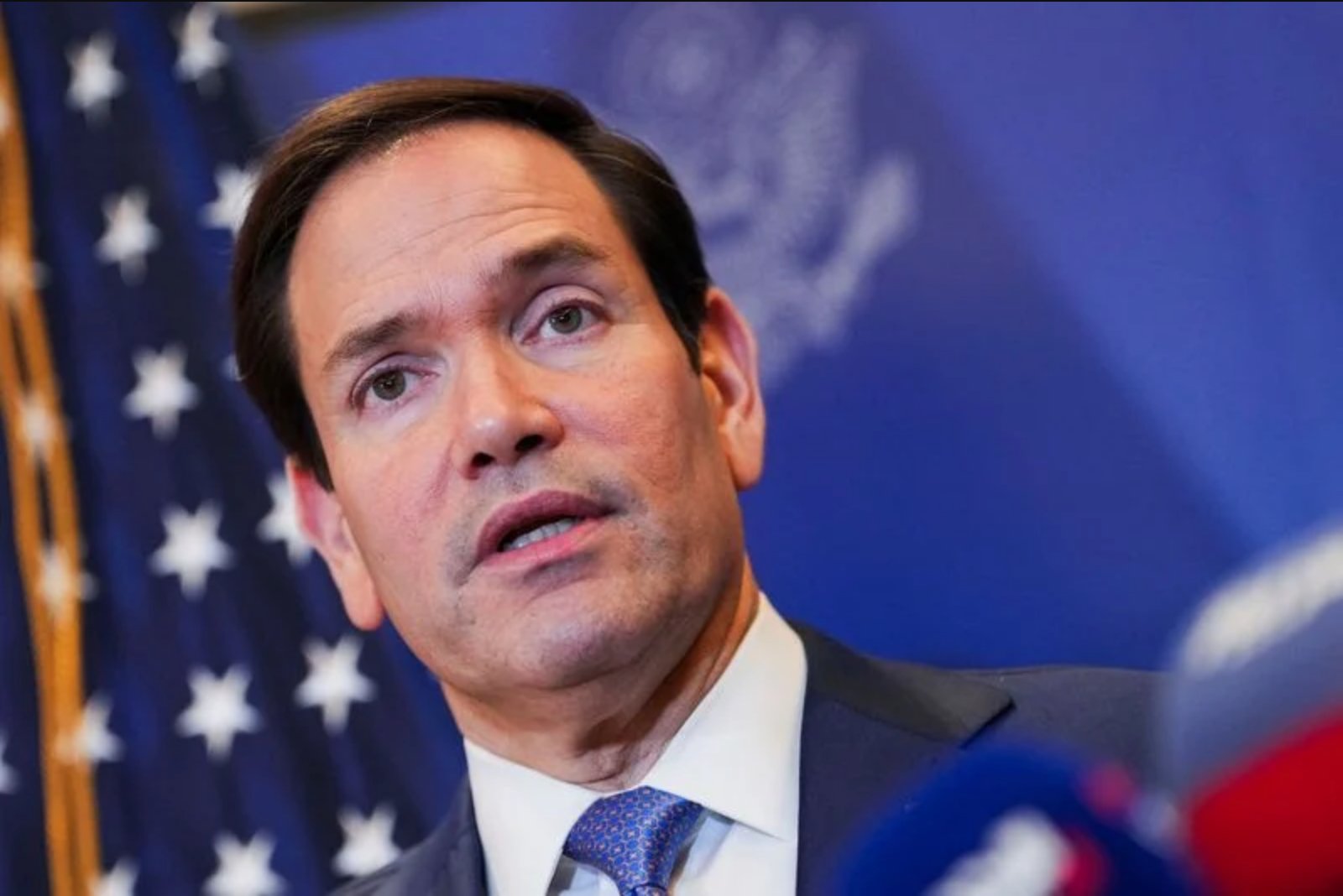
U.S. Secretary of State Marco Rubio will host a ministerial in Washington on July 15 that brings together representatives from over 60 countries to discuss how to respond to a rise in politically motivated violence. The event follows a counterterrorism strategy signed by President Donald Trump in May and will consider threats the White House has described as violent, secular political groups across the ideological spectrum.

Rubio to Convene International Ministerial on Political Violence on July 15
Summarize with
ChatGPT Perplexity Claude Grok Gemini

Key Points

  • Secretary of State Marco Rubio will host a ministerial on July 15 in Washington to address a rise in political terrorism; delegates from more than 60 countries across the Western Hemisphere, Europe and Asia are expected to attend - sectors affected include national security, defense, and critical infrastructure protection.
  • The summit follows a counterterrorism strategy signed by President Donald Trump in May that targets "violent, secular political groups" described by the White House, and indicates a focus on both left-wing and right-wing groups that promote violence - implications for law enforcement and intelligence operations are central.
  • U.S. officials say terrorism definitions guiding efforts include assassinations, kidnappings, violent threats to government and facilities, attacks on critical infrastructure, and assaults on military personnel - these categories touch on infrastructure, defense contractors, and public safety services.

U.S. Secretary of State Marco Rubio will host a ministerial on July 15 in Washington aimed at coordinating an international response to what U.S. officials describe as a resurgence in political terrorism, a State Department official said on Thursday.

The official, speaking on condition of anonymity, said the "ministerial on resurgence of political terrorism" will include delegations from more than 60 countries spanning the Western Hemisphere, Europe and Asia. The summit is intended as a forum to discuss how governments can update counterterrorism approaches to confront new manifestations of politically driven violence.

According to the State Department official, current U.S. counterterrorism measures remain centered on established definitions of terrorism. Those definitions encompass acts including assassinations, kidnapping, violent threats directed at government entities, attacks on facilities and law enforcement, assaults on critical infrastructure, and violence against military personnel.

The July meeting follows a counterterrorism strategy President Donald Trump signed in May. The White House document, as described by officials, singles out "violent, secular political groups whose ideology is anti-American, radically transgender or anarchist, such as Antifa," and directs efforts to identify and neutralize such groups.

"Our counterterrorism operating system needs an update to deal with the reality of such threats, to protect American citizens and U.S. national security and interests,"

the anonymous State Department official said, adding that the global threat has not been adequately addressed in the past.

Senior White House aides have pushed for a coordinated response following the assassination in September of conservative activist Charlie Kirk, calling for action against unnamed left-wing groups they accuse of promoting violence. The White House has also stated that the U.S. strategy will target right-wing groups that foment violence.

The ministerial is positioned as a diplomatic effort to bring international partners into discussions about updating counterterrorism policy and practice to address what U.S. officials view as evolving risks. The State Department official emphasized that U.S. efforts will focus on activity that meets the stated definition of terrorism, including killings, kidnappings and violent threats affecting government, infrastructure, law enforcement and military personnel.


Note on scope: The information in this report is drawn from statements made by a State Department official and descriptions of the White House counterterrorism strategy as conveyed by U.S. officials. Details on the ministerial's agenda, participating countries, and specific policy measures to be proposed have not been provided beyond what is stated above.

Risks

  • Definitions and targeting described in the White House strategy are broad and could create ambiguity about which groups are subject to coordinated counterterrorism actions - this uncertainty could affect sectors tied to infrastructure and public safety.
  • Coordinating an international response to a perceived resurgence in political violence may be challenging given the range of participating countries and varied regional threats; this could limit the speed or effectiveness of collective measures that impact defense and intelligence cooperation.
  • Public statements and calls for coordinated action by White House aides following the September assassination of a conservative activist have emphasized action against both left- and right-wing groups; political polarization and the focus on domestic political groups could complicate law enforcement approaches and civil liberties oversight.

More from Politics

New York rent-stabilized apartments to see two-year freeze after Rent Guidelines Board vote Jun 25, 2026 Johns Hopkins Cuts 110 Jobs Citing Decline in Federal Research Funding Jun 25, 2026 Congress Passes War Powers Measure Directing Withdrawal of U.S. Forces From Iran Hostilities Jun 25, 2026 ‘Great American State Fair’ Opens on National Mall as 250th Anniversary Events Begin Jun 25, 2026 Johnson to Meet Trump as GOP Deadlock Grows Over National Voter ID Measure Jun 25, 2026