
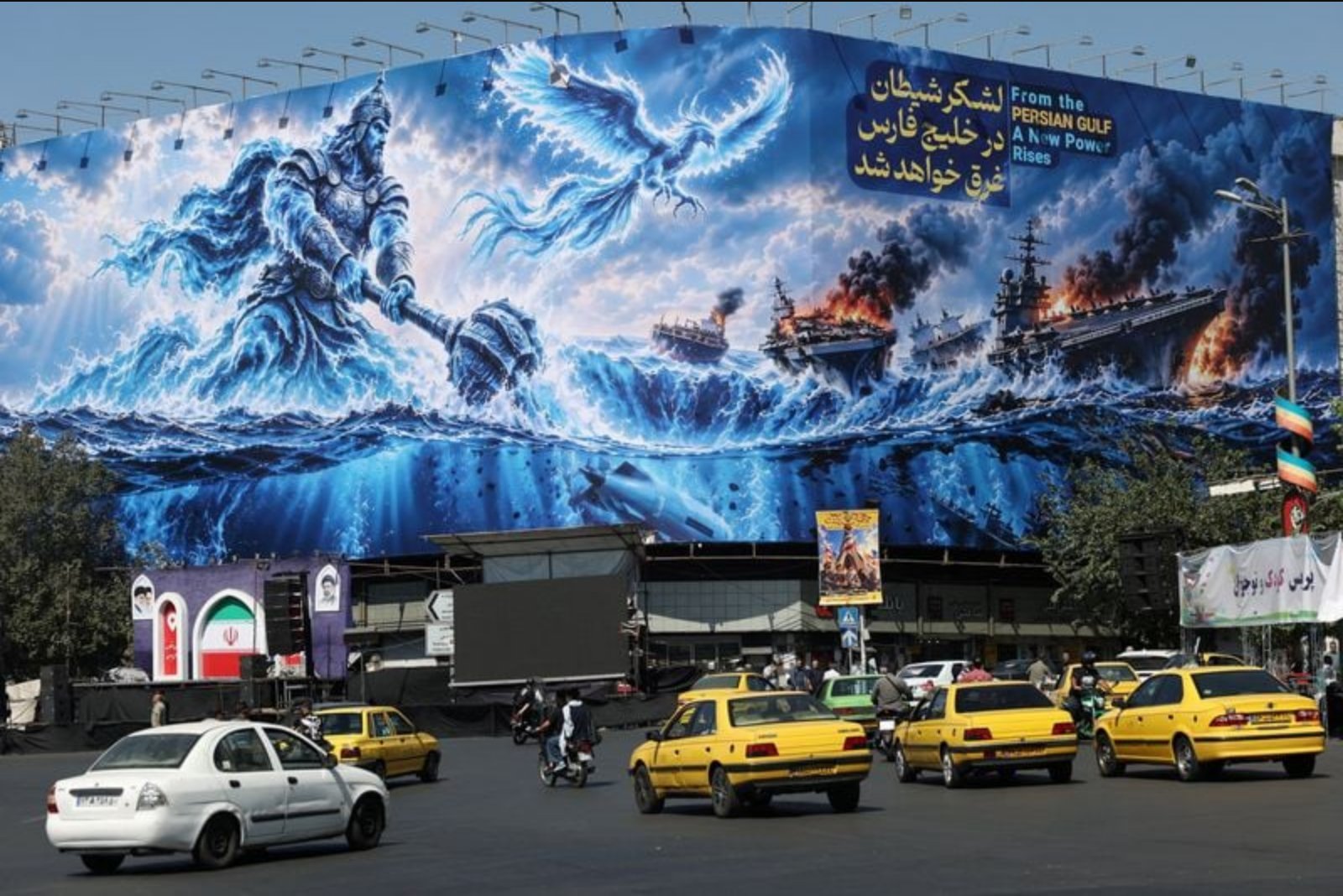
Dateline: DUBAI/UNITED NATIONS, Sept 23 -
Short, mediated exchanges between American and Iranian officials this week have stirred measured hopes that the two adversaries might find a way to reduce hostilities in the Middle East. The conversations took place on the margins of the UN General Assembly in New York and marked the first shuttle-style contacts since an interim ceasefire agreement broke down in July.
Iran’s foreign minister, Abbas Araqchi, relayed messages through intermediaries to US envoys Steve Witkoff and Jared Kushner, according to accounts of the interactions. Iranian officials emphasized that the contacts were conducted via a Qatari mediator and not as a direct, face-to-face meeting between Araqchi and US representatives.
In Washington, President Donald Trump described the talks as productive, saying: "Steve and Jared had a very productive meeting today with mediators of Iran, merely mediators. Let’s see what happens with that." He added: "They’ve been mediated for a while, but I think there’s a lot of momentum for them to make a deal. It’s what we’re hearing from everybody." Earlier in the day, the president had posed a stark binary in a UN address - that he had to decide whether to strike a deal with Iran or to "annihilate" the country.
Iranian officials provided further detail on the demands Tehran communicated through the Qatari channel. Esmail Baghaei, a spokesperson for Iran’s foreign ministry, said Tehran had set out conditions that included an end to fighting on all fronts and a halt to what it called US "acts of aggression." The Iranian foreign minister also met with Qatar’s prime minister, Sheikh Mohammed bin Abdulrahman Al Thani, who has served as a principal mediator in prior discussions.
Diplomatic context and limits of the contact
Although state media in Iran earlier suggested Araqchi and Witkoff had met directly, officials subsequently clarified that no face-to-face meeting between the Iranian foreign minister and the US envoy occurred. Rather, the exchange took the form of mediated shuttling of positions - a format that has characterized previous efforts to bridge differences between the two sides.
The contacts are significant in that they represent the first such engagement since the collapse of an interim ceasefire arrangement in July. That interim deal, reached and signed in June by President Trump and Iran’s president at the time, Masoud Pezeshkian, would have provided for lifting certain financial sanctions and freeing assets in exchange for talks on constraining Iran’s nuclear programme. The arrangement unraveled within weeks over disagreements about shipping rules for the Strait of Hormuz.
Energy markets and shipping - immediate, tangible impacts
The diplomatic opening coincided with oil prices holding near two-week lows, with Brent crude trading just under the $100-a-barrel level it exceeded earlier in the month. Market attention has been riveted on maritime risk after Houthi fighters in Yemen launched a major offensive and fired into Saudi Arabia, exacerbating concerns about the security of key export routes.
The wider conflict - described by the US administration as beginning in February under the label "Operation Epic Fury" alongside Israel - has now endured for nearly seven months. The fighting has resulted in thousands of fatalities, disrupted global energy supplies, and spread to other countries in the region, notably Lebanon and Yemen. These dynamics continue to influence the movement of crude and refined products and to weigh on market sentiment.
Since diplomatic engagement broke down in July, the parties have continued to exchange fire. US leaders have also been cautious about escalating strikes, with President Trump reportedly refraining from a full resumption of major attacks after receiving military advice that munitions were running low.
Practical disruptions to trade and supplies
Shipping disputes have been central to the collapse of the interim pact. Tehran has sought to increase its influence over the Strait of Hormuz and to collect fees from vessels that transit the channel, a proposal rejected by Washington. The strait is a crucial chokepoint - historically handling about one fifth of global oil and liquefied natural gas flows before the war - and near-daily attacks on tankers have driven significant operational changes in maritime logistics.
Despite the attacks, traffic through the Strait of Hormuz has shown a gradual increase in recent weeks. Still, the costs of navigating the route have risen sharply. Oil producers have reportedly paid shipping companies fees amounting to as much as a quarter of a cargo's value to permit practices such as turning off transponders, escorting vessels through hazardous waters, and transferring oil to other ships beyond the strait.
Some indicators of recovery in regional exports are evident. Exports from the United Arab Emirates have returned to pre-war levels, and Saudi Arabia has sold 60 million barrels of Gulf oil for each of the current and following month, with delivery planned beyond the Strait of Hormuz off the coast of Oman - a substantial increase from August volumes. Even so, official estimates cited in recent reporting suggest that roughly one third of Gulf oil remains absent from global supplies due to the conflict and associated operational constraints.
Downstream effects and political stakes
Shortages have been particularly acute in refined products such as diesel. Those supply gaps have contributed to inflationary pressures, influenced central bank decisions on interest rates, and created political headwinds for the governing party in the United States ahead of the November midterm elections, according to commentary tied to the situation on the ground.
Compounding the risk of further supply disruptions, the Iran-backed Houthi advance in Yemen this month has heightened concern about the Bab el-Mandeb Strait at the southern entrance to the Red Sea - an alternative export corridor used by Saudi Arabia. Simultaneously, Washington has imposed a blockade on Iranian ports, deepening economic strain in Iran. Iranian officials have declared they are prepared to tolerate the blockade in pursuit of their objectives and have stated they will not reopen the Strait of Hormuz until the blockade is lifted.
The recent mediated contacts at the UN represent a limited but notable diplomatic move amid these intertwined military, economic, and energy market pressures. Both sides, for now, have maintained their stated positions while using intermediaries to test the possibility of reaching an understanding that could ease tensions and stabilize flows through critical maritime chokepoints.