
European wholesale natural gas prices jumped on Wednesday as market participants repriced the risk of a widening military confrontation between U.S. forces and Iran. The immediate market response pushed the benchmark front-month Dutch TTF contract up to 79 euros per megawatt-hour (MWh), marking its strongest level since 2023.
Across the Channel, Britain’s National Balancing Point (NBP) contract climbed sharply as well, touching a peak of 196 pence per therm - its highest reading since late 2022 - and edging toward the psychologically significant 200 pence-per-therm level.
Geopolitical catalyst
Traders attributed the abrupt upward pressure in prices to a rapid expansion of kinetic operations across the Middle East. Market desks were forced to recalibrate risk assumptions after coordinated attacks by Iranian-backed Houthi forces on multiple Saudi Arabian cities on Tuesday drew a key U.S. regional ally into the hostilities.
Those strikes came as U.S. forces conducted strikes on several Iranian oil tankers and Iranian forces launched a missile attack on a U.S. military base in Jordan. The combination of these incidents heightened concern about maritime security in and around the Strait of Hormuz.
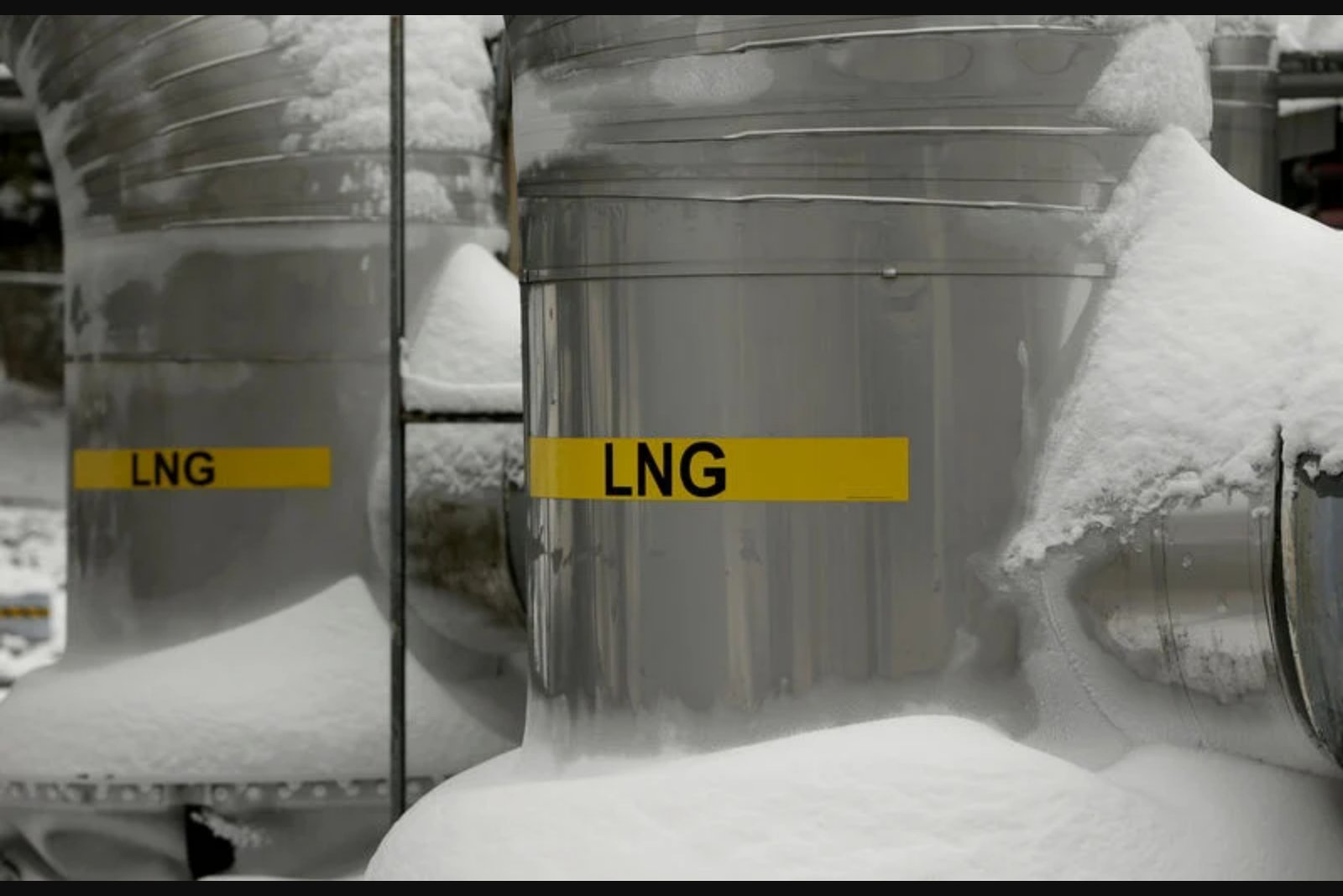
The Strait of Hormuz is a critical maritime choke point and is responsible for roughly 20% of global liquefied natural gas (LNG) traffic - chiefly originating from Qatar. Market participants voiced concern that a prolonged blockade or restrictions on transit through the Persian Gulf could meaningfully disrupt LNG flows to Europe and other regions.
Immediate market mechanics
With crude oil prices flirting with the $100-a-barrel mark, utilities and energy traders in Europe have been forced into more aggressive bidding for replacement cargoes in the Atlantic basin. That competition pits European buyers directly against Asian counterparties for available supplies, intensifying upward price pressure in both regional and global natural gas markets.
These dynamics come at a vulnerable time for Europe’s seasonal storage cycle. Data from Gas Infrastructure Europe shows underground storage caverns at roughly 64% of capacity, a level materially below the five-year seasonal average. The storage shortfall has been compounded over August and early September by a combination of intense summer heatwaves that elevated gas-fired power generation, ongoing offshore pipeline maintenance in Norway, and delays to some Qatari LNG shipments.
Broader economic implications
The sharp rise in wholesale gas prices, paired with Brent crude trading near $99.50 a barrel, raises the prospect of heightened cost-push inflation for European manufacturing and retail supply chains. That energy-driven inflationary pressure complicates the decision set facing the European Central Bank (ECB). With headline Eurozone consumer price inflation accelerating in part due to rising energy components, money markets have priced in a 25-basis-point interest rate increase from ECB President Christine Lagarde and her Governing Council at their upcoming policy announcement on Thursday.
For industrial operators and supply-chain managers, the confluence of higher fuel and power costs, tighter storage buffers, and the risk of further maritime disruption elevates working-capital pressures and could influence production scheduling and mix decisions as winter approaches.
Outlook and immediate considerations
Markets will remain sensitive to further developments in the Middle East that could affect transit through the Strait of Hormuz or trigger broader regional supply interruptions. In the near term, European utilities and commodity traders face intensified competition for replacement LNG cargoes while contending with below-average storage levels and maintenance-related pipeline constraints.