
Victoria Bonya, a social media celebrity and former reality television participant, has struck back after a prominent state television presenter mounted a public and personal assault on her following a viral video appeal to President Vladimir Putin.
The confrontation began when Vladimir Solovyov, a combative talk show host known for his staunch backing of the war in Ukraine and subject to Western sanctions, aired a forceful weekend denunciation of Bonya. On live television he combined disparaging remarks about her appearance with allegations that she was operating as part of a covert Western effort to destabilize the Kremlin.
Bonya, who resides in Monaco and has consistently rejected any suggestion that she works for another party, described Solovyov as "an enemy of the people" and demanded that he be removed from the air. She said he was representative of several state television figures whose commentary about women she called intolerable.
"I want to ask a question to all of us women - when did we miss the moment when women began to be insulted on federal TV channels?" Bonya said, identifying herself as a 46-year-old single mother and expressing frustration with public dismissals of women of her background as prostitutes or escorts. "There are lots of mothers who bring up their kids on their own. By insulting me you insult them all," she added, noting the reach of her online presence.
Bonya pointed to the scale of her audience, saying her page had received nearly 500 million visits and that her social media reach exceeded Solovyov's. She has over 13 million followers on Instagram and until recently focused primarily on personal life and beauty content.
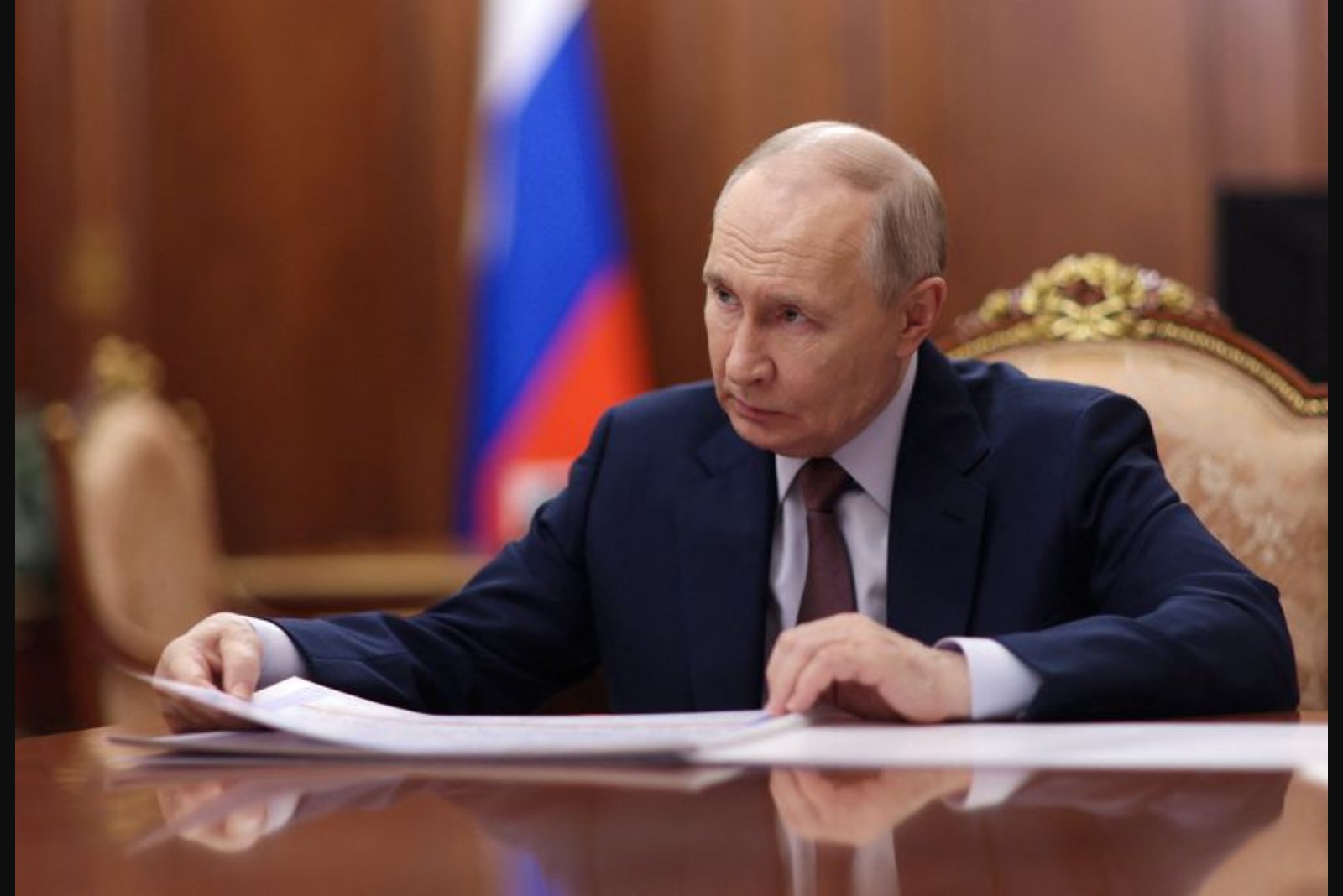
The spat followed Bonya's unexpected departure from lifestyle posts into political commentary. In a widely viewed video directed at President Putin, she said she supported him but argued that he was not being informed of Russia's pressing problems. She warned that ordinary people were being squeezed by corrupt officials in ways that could ultimately provoke public unrest. That clip has been viewed nearly 30 million times.
The Kremlin publicly acknowledged Bonya's remarks and said the issues she raised - among them a broad crackdown on the internet - were being addressed. Officials also rejected suggestions that President Putin was shielded from bad news.
On state television, Solovyov questioned why Bonya had not been designated "a foreign agent," a term with pejorative, Soviet-era spying connotations in Russia. He urged the country's top state investigator to examine whether her statements had broken any laws. In the broadcast he said: "It’s not up to this worn-out harlot to open her dirty mouth and clog up the information space."
Bonya responded by announcing plans to mobilize petitions and to consider legal action with the aim of having Solovyov taken off the air. She also turned the spotlight back on him, asking authorities to investigate whether the sometimes extreme language he uses on his programs violated Russian law.
In a satirical follow-up, an artificial intelligence-assisted short video that ran fast on social platforms showed Bonya in a Spider-Man costume shooting a web at Solovyov's face and confronting two other outspoken male figures she accuses of misogyny. That AI-created clip attracted some 10 million views within 24 hours.
On the streets of Moscow, public reaction leaned toward sympathy for Bonya. Many passers-by interviewed expressed the view that any Russian, including those living abroad, retains the right to speak about the country. One woman, Nadezhda, a manager, said she disapproved of the personal insults directed at Bonya and found them particularly objectionable coming from people with influence in society. "I didn’t like it that they started to insult her," she said. "It seems absolutely wrong from people who have some kind of influence in society."
Context and implications
The exchange underscores tensions between state media figures and popular social media personalities who cross into political commentary. Bonya’s rapid accumulation of views and followers, and the Kremlin’s unusual public acknowledgement of her criticism, have helped amplify the confrontation. Solovyov’s public call for an investigation and for potential "foreign agent" labeling also highlights the legal and reputational tools available to authorities and influential broadcasters.
Bonya’s countermeasures - petitions, a possible lawsuit, and public appeals - indicate she plans to pursue both civic and legal avenues to challenge the broadcaster and to defend her public standing. The episode has drawn broad attention, from online virality to visible sympathy among some members of the public in Moscow.
This report is based on the public statements, broadcast remarks and social media metrics attributed to the individuals involved.