
The White House intends to submit a request to Congress for in excess of $1.4 billion in new emergency funding to address the growing Ebola outbreak, a Trump administration official said, with the filing expected as soon as Wednesday. The money would be bundled into a broader supplemental appropriation.
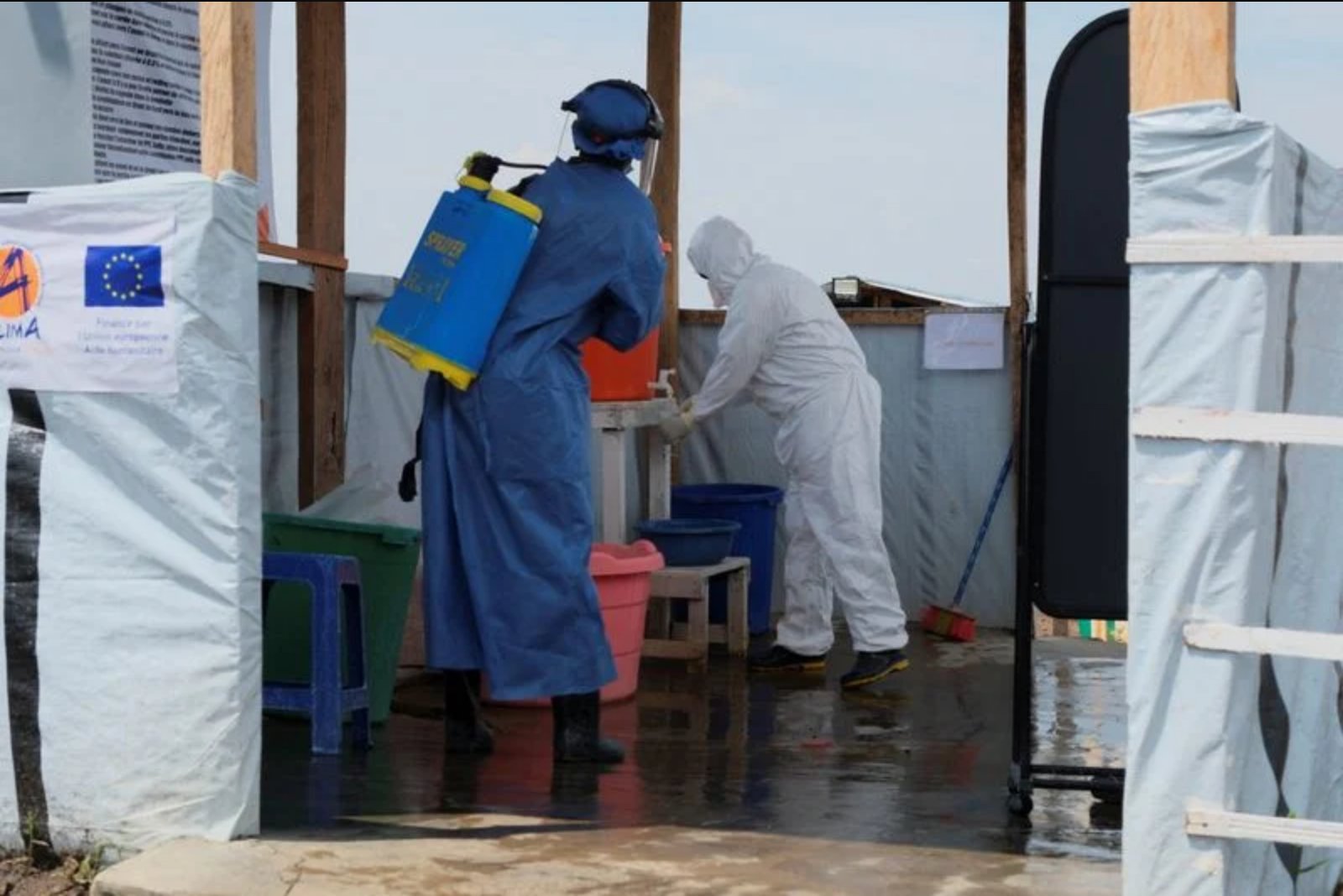
Under the plan, approximately $800 million would be designated for humanitarian crisis response. That portion would finance a quarantine center in Kenya intended for American citizens exposed to the virus, as well as supplies, treatment, contact tracing, the creation of a regional logistics network and measures to strengthen infection control practices.
Separately, U.S. officials are seeking around $500 million in global health security funding they say is necessary to stop the virus from reaching the United States. Those funds would be directed toward disease surveillance, laboratory capacity, cross-border coordination and potential partnerships with multilateral organizations and private-sector entities, the administration official said.
An additional $90 million has been earmarked for diplomatic efforts. According to the official, that money would support tasks such as evacuations and the transportation of U.S. citizens who contract the virus to treatment facilities.
The funding package that the White House plans to pursue had not been reported previously, the official added.
Health authorities say the Ebola outbreak in the Democratic Republic of Congo is linked to the Bundibugyo strain of the virus. The World Health Organization reported this week that the outbreak has infected more than 1,000 people and claimed 267 lives, producing the largest number of confirmed cases recorded within the first month of any outbreak episode, according to the WHO statement cited by U.S. officials.
The urgency of the request follows confirmation that a doctor who recently returned to France from a humanitarian mission in the Democratic Republic of Congo has tested positive for Ebola. French authorities described that as the first confirmed case in that country linked to the current outbreak.
U.S. officials have urged European counterparts to put in place stricter travel measures and to increase their contributions to the international Ebola response, the administration official said. In recent days, U.S. officials have expressed frustration with what they describe as a limited response from some European governments.
At the same time, Washington has faced criticism over earlier reductions to the U.S. Agency for International Development and to U.S. public health programs in Africa that preceded the current outbreak, the official acknowledged.
The United States has already committed hundreds of millions of dollars to the Ebola response to date and is proceeding with construction of a quarantine center in Kenya intended for American citizens, a move officials characterize as part of efforts to prevent Ebola from reaching U.S. soil. In May, the U.S. imposed a travel restriction barring non-citizens who had recently traveled to the Democratic Republic of Congo, Uganda or South Sudan from entry. The Centers for Disease Control and Prevention later extended that ban to include green card holders who had been in those countries within the prior 21 days.
The supplemental request groups emergency humanitarian, global health security and diplomatic components under a single funding package and is intended to mobilize resources for immediate operational needs as well as measures to limit the international spread of the disease. Officials say the funds would support on-the-ground treatment and containment activities, strengthen regional logistics and laboratory networks and cover diplomatic and transport operations for U.S. citizens affected by the outbreak.
Officials provided the breakdown of the planned request and its intended uses but did not attach additional implementation timelines beyond the indication that the administration would seek the funds promptly through Congress.