
World April 23, 2026 07:41 PM

U.S. Says Iranian Players May Compete in 2026 World Cup but Will Bar Individuals Linked to IRGC

Washington will not prevent athletes from taking part but says some persons with ties to Iran’s Islamic Revolutionary Guard Corps will be denied entry

By Leila Farooq
U.S. Says Iranian Players May Compete in 2026 World Cup but Will Bar Individuals Linked to IRGC

The U.S. government has indicated it will not block Iranian soccer players from participating in the 2026 FIFA World Cup hosted across the United States, Mexico and Canada, but officials said individuals with links to Iran’s Islamic Revolutionary Guard Corps (IRGC) would not be permitted to enter the country. Comments from Secretary of State Marco Rubio, President Donald Trump and a Trump envoy have highlighted concerns over who might travel with the team. The decision follows requests and security tensions related to the Iran war and recent attacks in the region.

Key Points

  • U.S. officials said Iranian soccer players will not be barred from competing in the 2026 FIFA World Cup, which begins June 11 across the United States, Mexico and Canada.
  • Washington will not permit individuals with ties to the Islamic Revolutionary Guard Corps (IRGC) to enter the U.S. in association with the team, according to Secretary of State Marco Rubio.
  • The situation touches sports, travel and national security sectors - affecting event organization, border control procedures and related logistical planning for the tournament.

U.S. officials said on Thursday they would not prevent Iranian athletes from competing in the 2026 FIFA World Cup, but they cautioned that some people Iran might seek to bring with the team - namely those with ties to the Islamic Revolutionary Guard Corps - could be refused entry.

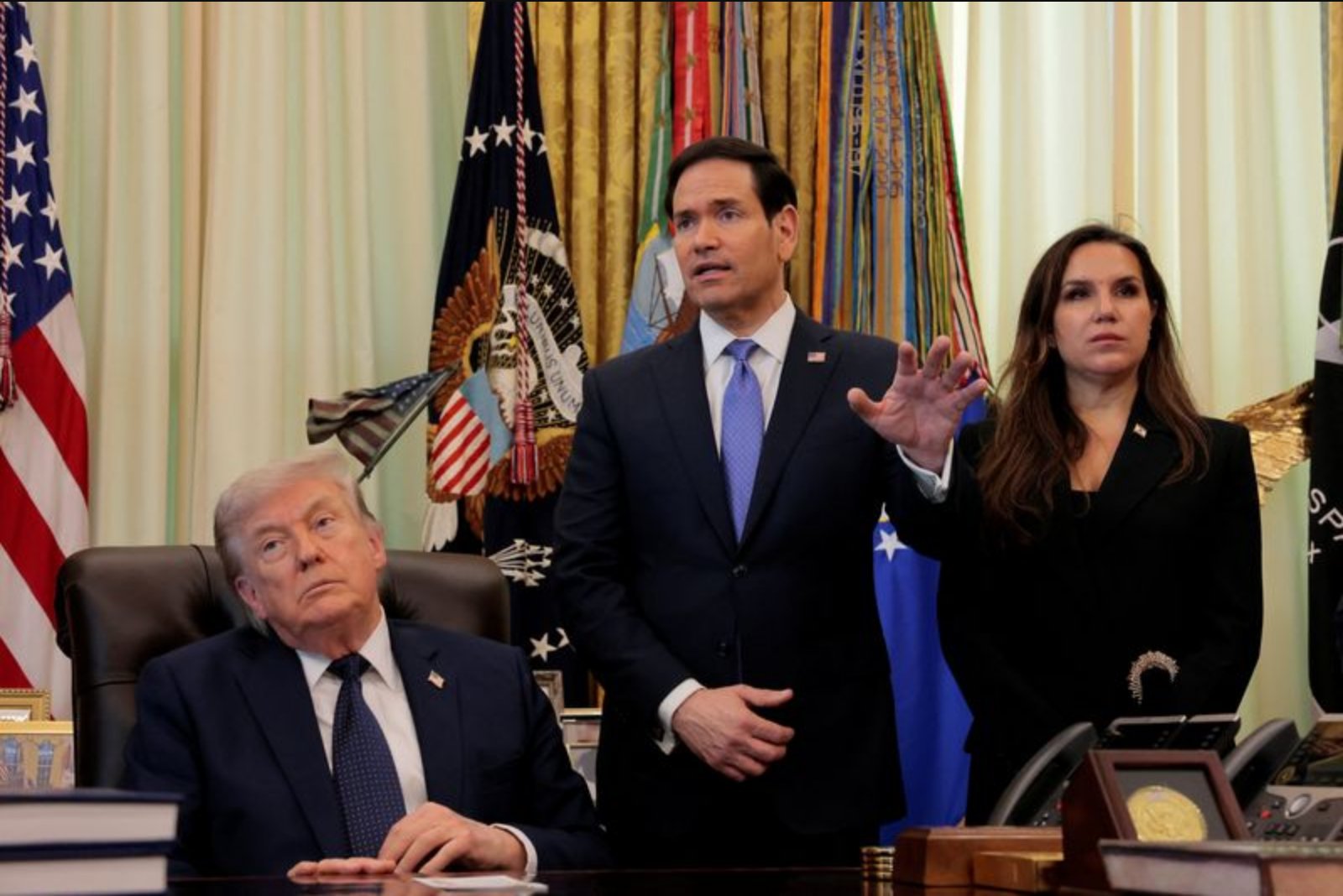
"Nothing from the U.S. has told them they can’t come," Secretary of State Marco Rubio told reporters, while adding restrictions would apply to certain accompanying individuals. President Donald Trump, speaking at the White House, said his administration "would not want to affect the athletes."

The 2026 World Cup is scheduled to kick off on June 11 across venues in the United States, Mexico and Canada.

Rubio outlined the distinction he said Washington would draw between athletes and others traveling with a squad. "The problem with Iran would be not their athletes. It would be some of the other people they would want to bring with them, some of whom have ties to the IRGC. We may not be able to let them in but not the athletes themselves," he said.

"They can’t bring a bunch of IRGC terrorists into our country and pretend that they are journalists and athletic trainers," Rubio added.

Washington has designated the IRGC as a "foreign terrorist organization." Rubio also noted that nothing from U.S. authorities had communicated a blanket ban on Iranian athletes attending the tournament.

Earlier comments from Paolo Zampolli, described as a Trump envoy with no official connection to the World Cup, suggested that Italy should replace Iran at the tournament. There is currently no indication that Iran will withdraw or be banned from the tournament that Italy missed out on.

The situation is complicated by security developments tied to the conflict described in official remarks. After the start of the Iran war, Iran asked FIFA to move the team’s three group matches from the United States to Mexico; that request was rejected. The U.S. and Israel attacked Iran on February 28, and Iran subsequently struck Israel and Gulf states that host U.S. bases. U.S.-Israeli strikes on Iran and Israeli attacks in Lebanon have killed thousands and displaced millions. A fragile ceasefire began over two weeks ago.


Officials emphasized a narrowly tailored approach: permitting athletes while assessing the background of those seeking to accompany teams. How that approach will be implemented operationally - and how host-country authorities will evaluate individual cases at entry ports - was not detailed in the remarks.

The remarks underscore the intersection of international sport, immigration controls and national security policy as the World Cup approaches.

Risks

  • Potential denial of entry to individuals linked to the IRGC could complicate team logistics and accreditation processes - impacting travel, event operations and sports management.
  • Ongoing regional hostilities and the recent strikes described in officials' remarks create uncertainty around security for the tournament and could affect travel and insurance considerations for organizers and participants.
  • Public statements and proposals about replacing Iran in the tournament may heighten diplomatic sensitivity and raise reputational risks for tournament bodies, host venues and broadcasters.

More from World

Mexico launches probe into economy minister over son's residence at London diplomatic home Apr 23, 2026 Human Rights Groups Advise Caution for Visitors to U.S. World Cup Venues Apr 23, 2026 Mexico Moves to Calm U.S. After Fatal Crash That Killed Two Americans Apr 23, 2026 U.S. Education Department Opens Title VI Inquiry into New York City Schools Over Pro-Palestinian Educator Group Apr 23, 2026 Large South Georgia Wildfires Destroy Homes and Prompt Widespread Evacuations Apr 23, 2026