
Overview
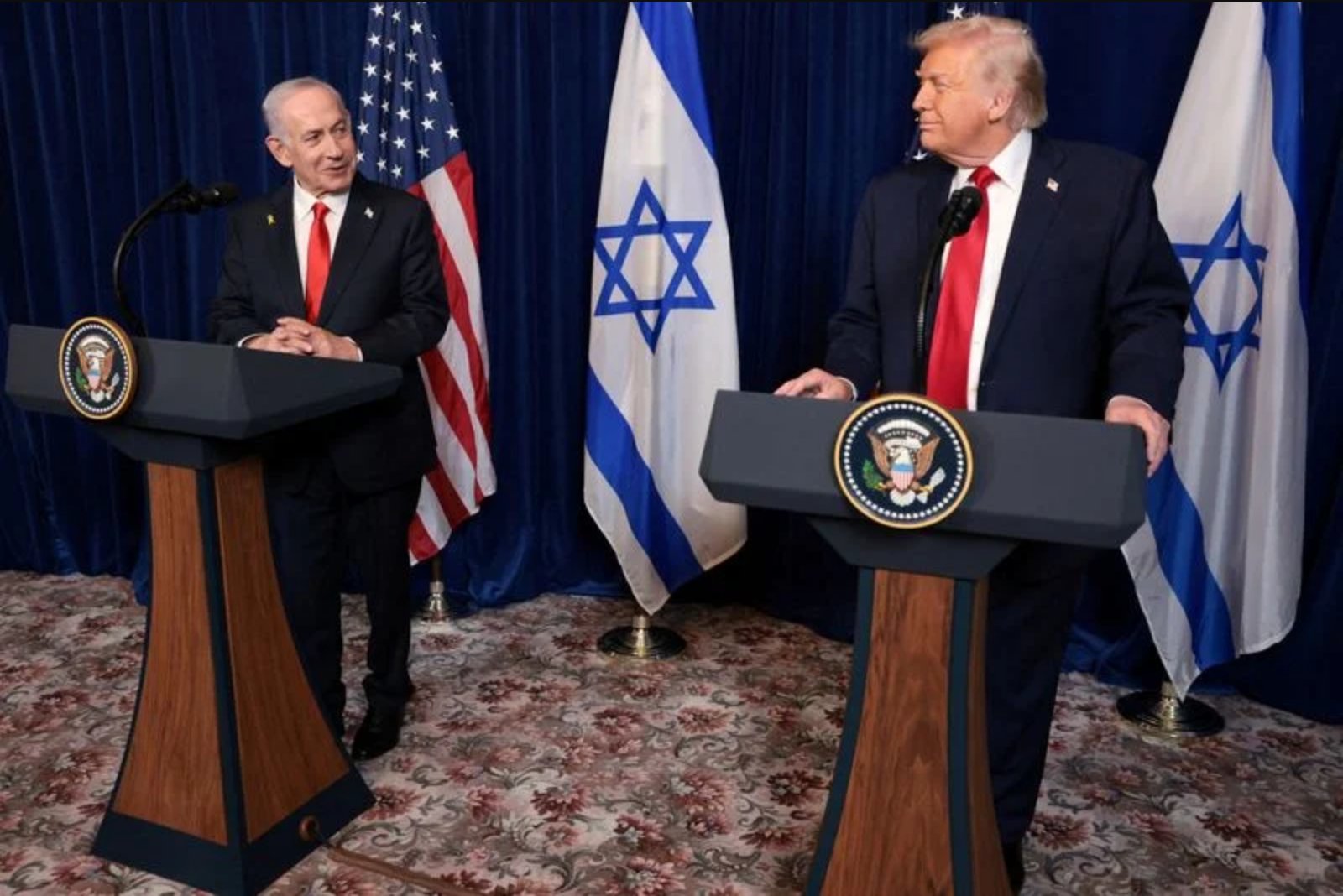
American allies of President Donald Trump spent days in Jerusalem seeking to reassure an Israeli public rattled by an interim U.S. memorandum with Iran and by blunt public remarks from the White House and its supporters. The developments have fed concerns across Israel that a once-stable strategic partnership with the United States is under tension - a perception amplified by media coverage, public comments by U.S. officials and growing unease among Israeli political and security circles.
Public unease in Israel
Many Israelis, including Prime Minister Benjamin Netanyahu and other senior figures, view the memorandum of understanding with Iran as a step that could strengthen a state they regard as their deadliest adversary and could limit Israel’s freedom of action against threats from Iran-backed Hezbollah in Lebanon. Those anxieties were on prominent display at a foreign policy conference in Jerusalem where the state of the U.S.-Israel alliance dominated discussions.
At that conference, Mike Huckabee, the U.S. ambassador to Israel, sought to calm worried attendees while acknowledging the depth of concern. "The United States and Israel have an unbreakable bond," he said on Sunday, after conceding there was an "enormous level of anxiety about the relationship." His comments came amid repeated questions about whether recent gestures from Washington represent a pivot away from long-standing support.
Speakers and commentators at the event painted a mixed picture: some expressed frustration with elements of the White House, while still defending the broader relationship between the two countries.
Criticisms from the U.S. political sphere
Sharp language from the U.S. political world has intensified Israeli concerns. President Trump, at times publicly, has used harsh rhetoric toward Netanyahu - calling him "fucking crazy" in one instance - and has publicly criticized Israeli operational choices, saying "you don’t have to knock an apartment down every time you’re looking for somebody." He has also suggested, in public remarks, the possibility of asking Syria to replace Israeli troops in Lebanon. Those statements have been widely noted in Israel and contributed to a sense that Washington’s tone toward Israeli leadership has shifted.
Vice President JD Vance added a nuanced dimension at the conference, asserting that "Trump is the only head of state in the entire world who is sympathetic to the nation of Israel at this moment in time," while also saying that not all criticism of Israel should be dismissed as antisemitism. Such comments, coming from leading Republican figures, have been a particular source of unease because they underline a brewing debate within the president’s own party over how best to engage with Israeli policy and the broader Middle East conflict.
Conservative media figures also addressed Israeli concerns. Mark Levin, a Fox News commentator and longtime Trump backer who has disagreed with the president over the Iran deal, told the Jerusalem audience that although he opposes the agreement and believes the "Iranian regime" should be destroyed, he nonetheless praised Trump for what he described as the president’s support for liberty, religious freedom, Christianity and Judaism. Sid Rosenberg, a conservative New York radio host, acknowledged the depth of Israeli dissatisfaction with Trump but argued the president remains the best option available, saying to Israelis: "You could have JD Vance. Good luck with that," and noting that "a lot of people in Israel are very, very upset" with the president.
Political and public opinion context
Opinion shifts within the United States are part of the backdrop. The conference presenters and attendees pointed to growing criticism of Israel among some American constituencies, and to generational differences in views among Republicans. A Reuters/Ipsos poll from late March noted that while older Republicans generally view Israel positively, younger conservatives have become more critical, with a rise in unfavourable opinions among Republicans aged 18-49 compared with a year earlier. These trends were referenced by speakers as evidence of a changing political context in Washington that could affect the bilateral relationship.
At the same time, many Americans - including prominent Democrats - reacted strongly to the human cost of Israel’s military campaign in Gaza following the October 7, 2023, Hamas attack and the taking of hostages. That outrage over the scale of death and destruction in Gaza, and criticism of Israel’s decisions surrounding the joint decision to launch the war on Iran, were cited as reasons for domestic U.S. skepticism about the conflict and its continuance. Such public reactions in the United States have fed Israeli worries about decreasing U.S. support.
Voices urging reassurance
Several figures who served in or around the Trump administration attempted to reassure Israelis that the relationship could be restored to a more conventional footing. Victoria Coates, vice president at the Heritage Foundation and a former deputy national security adviser under Trump’s first term, acknowledged that the U.S.-Israeli relationship was strained but expressed confidence that the leaders of both countries would bring it "back on track." Speaking at the conference a day earlier, she described recent days as "challenging for all of us, to put it mildly," while also noting that there had been "great and good things" in Trump’s second term "for which we can and should be grateful."
Israeli leadership and assessments
Netanyahu, who until recently had been widely regarded in Israel as enjoying an exceptionally close relationship with Trump due to prior policy decisions such as recognition of Jerusalem as Israel’s capital and recognition of Israeli sovereignty over the Golan Heights, has not publicly signaled concern that recent comments from Trump and Vance represent substantive policy shifts. Two Israeli officials familiar with Netanyahu’s thinking, speaking on condition of anonymity, said the prime minister was not worried that the remarks indicated meaningful changes such as slower arms deliveries. They suggested some comments might be aimed at domestic U.S. audiences ahead of midterm elections, rather than reflecting durable shifts in U.S. policy toward Israel.
Calls to prepare for a less supportive U.S.
The unease has prompted some prominent Israeli figures to argue for increased independence. Those voices contend that Israel should prepare for the possibility of a future U.S. president who is less supportive and should therefore accelerate efforts to strengthen its own military and technological capabilities. Ohad Tal, chair of the U.S.-Israel caucus in Israel’s parliament, the Knesset, said Israelis needed to prepare for the day when there is a less supportive U.S. president "and this is why we have to be much more independent and we have to forge new alliances."
Conclusion
Speakers at the Jerusalem conference sought to balance criticism of recent U.S. statements with reassurances that the U.S.-Israel bond remains deep. But the combination of an interim U.S. memorandum with Iran, pointed public remarks from senior U.S. figures and shifting American public opinion has left many in Israel questioning the durability of historical support and encouraging debate in Israel about how to prepare for a potentially more autonomous strategic posture.