
World June 16, 2026 05:46 AM

Israeli Supreme Court Upholds Detention of Gaza Hospital Director Held Without Charge

Court cites confidential material in refusal to order release of Dr. Abu Safiya, prompting rights groups to decry indefinite detention of medical personnel

By Ajmal Hussain
Share
Twitter Reddit Facebook LinkedIn

Israel's Supreme Court on June 16 declined an appeal seeking the release of Dr. Abu Safiya, director of Kamal Adwan hospital, who has been held in Israel since late 2024 without formal charges. The ruling relied on confidential materials not disclosed to the detainee or his lawyer, according to human rights representatives. Advocates say Abu Safiya is one of at least 14 Gaza doctors detained without charge for over a year and report alleged mistreatment; Israeli prison authorities have denied these claims.

Israeli Supreme Court Upholds Detention of Gaza Hospital Director Held Without Charge
Summarize with
ChatGPT Perplexity Claude Grok Gemini

Key Points

  • Supreme Court rejected appeal to free Dr. Abu Safiya, director of Kamal Adwan hospital, who has been detained since late 2024 without charge.
  • Court said its ruling relied on confidential materials not disclosed to Abu Safiya or his lawyer, according to Naji Abbas of Physicians for Human Rights Israel.
  • At least 14 doctors from Gaza have been held in Israel without charge for over a year; allegations of mistreatment have been made and denied by Israel's prison service. Sectors impacted include healthcare and legal/judicial institutions.

JERUSALEM, June 16 - Israel's highest court on Tuesday rejected a petition to free a prominent Palestinian physician detained since late 2024. The physician, Abu Safiya, who leads the Kamal Adwan hospital, remains in custody in Israel without facing formal charges.

Human rights advocates say Abu Safiya is part of a group of at least 14 medical doctors from Gaza who have been held in Israel for more than a year without being charged. The legal challenge to his detention was reviewed by the Supreme Court, which based its decision on "confidential materials" the court did not make available to the doctor or to his attorney, Naji Abbas.

Naji Abbas, who directs the Prisoners and Detainees Department at Physicians for Human Rights Israel, told Reuters that neither Abu Safiya nor his lawyer had access to the evidence the court cited. A spokesperson for the Supreme Court declined to provide comment on the matter.

"The message sent by this decision is unmistakable: a medical professional can be deprived of his liberty indefinitely without being charged and without the authorities presenting evidence against him in open court," Abbas said in a statement.

Abu Safiya's legal representative and human rights organisations have also alleged that the detained doctor has been denied adequate food and has been assaulted while in custody. Israel's prison service has rejected those allegations.

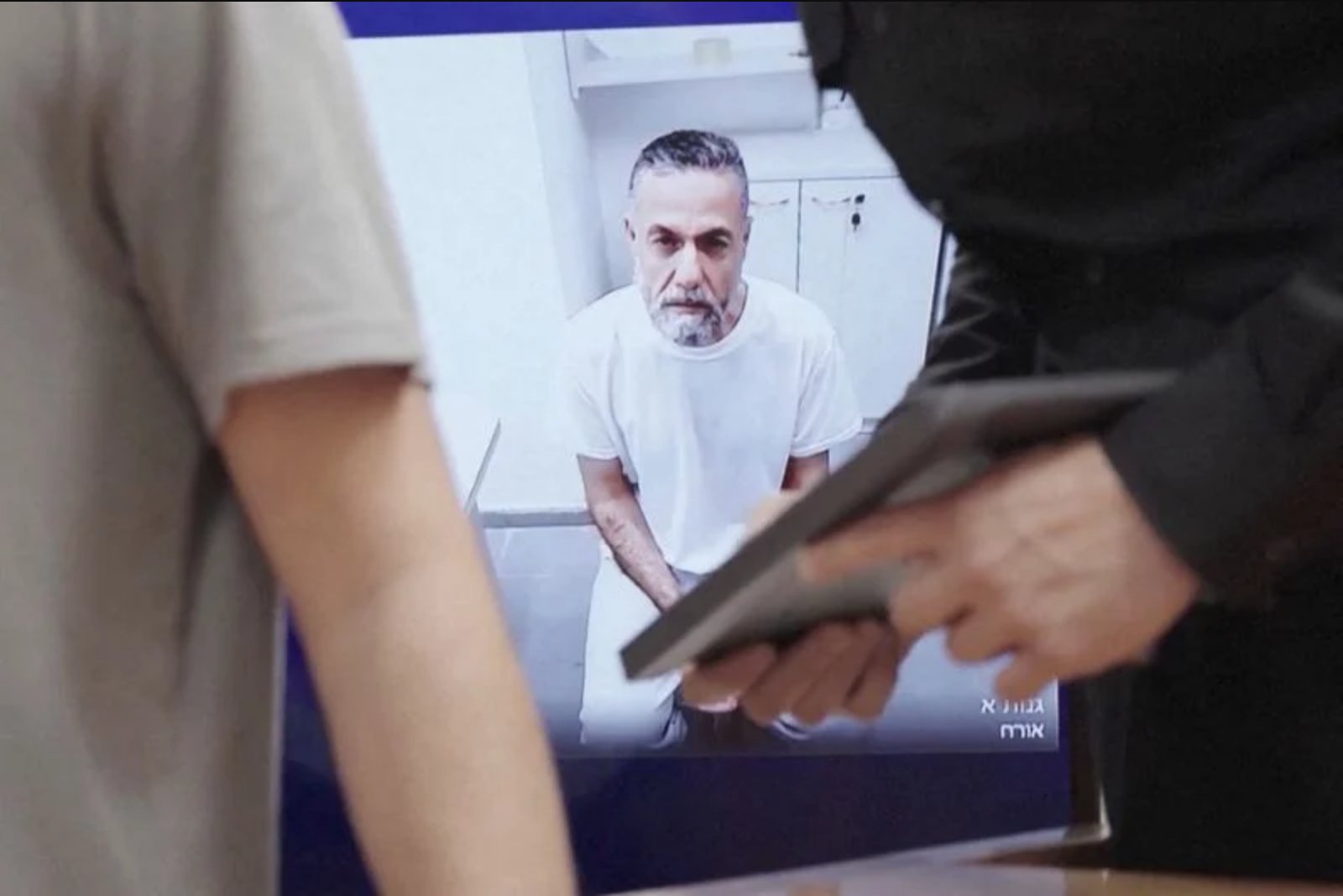
The doctor appeared via video link at a Supreme Court hearing held in Jerusalem last Wednesday; observers noted that he appeared noticeably thinner. Physicians for Human Rights Israel added that Abu Safiya had been placed in solitary confinement for the 13 days preceding that hearing.

Separately, the Israeli military has accused Abu Safiya of membership in the Palestinian militant group Hamas. The military has not produced publicly available evidence to substantiate that claim. Both Gaza's health ministry and Hamas have rejected the allegation.

Earlier, in 2023, Abu Safiya was cited among the hospital doctors who refused to abandon dozens of newborn infants they were treating after an order from the Israeli military to leave. That episode is part of the record cited by advocates and supporters in describing the physician's actions prior to his capture.

The Supreme Court's decision leaves Abu Safiya in detention while the legal and human rights debate continues over the use of confidential material in court rulings and the prolonged detention of medical professionals without formal charges.

Risks

  • Legal transparency risk: reliance on confidential materials not disclosed to the detainee or counsel raises concerns about due process and could affect confidence in the judicial system, impacting the legal sector.
  • Health and human rights risk: allegations that the detained doctor was denied sufficient food and assaulted, along with reports of solitary confinement, suggest risks to detainee welfare and to healthcare access in affected communities.
  • Reputational and operational risk for medical institutions: the detention of medical professionals without charge could impair medical staffing and public trust in healthcare delivery in Gaza and among organizations connected to those facilities.

More from World

Russian Dissident Artist Shot Dead in Eastern Poland Jun 16, 2026 Displaced Gazans Gather in Ruins to Watch World Cup Matches Jun 16, 2026 Interim U.S.-Iran Agreement Seen as First Step to End War, But Mechanisms and Confidence Gaps Persist Jun 16, 2026 G7 Leaders Press Trump on Iran Agreement and Call for a Rethink on Ukraine Approach Jun 16, 2026 Millennium-Old Kyiv Monastery Severely Damaged as Nationwide Attacks Kill 10 Jun 16, 2026