
Overview
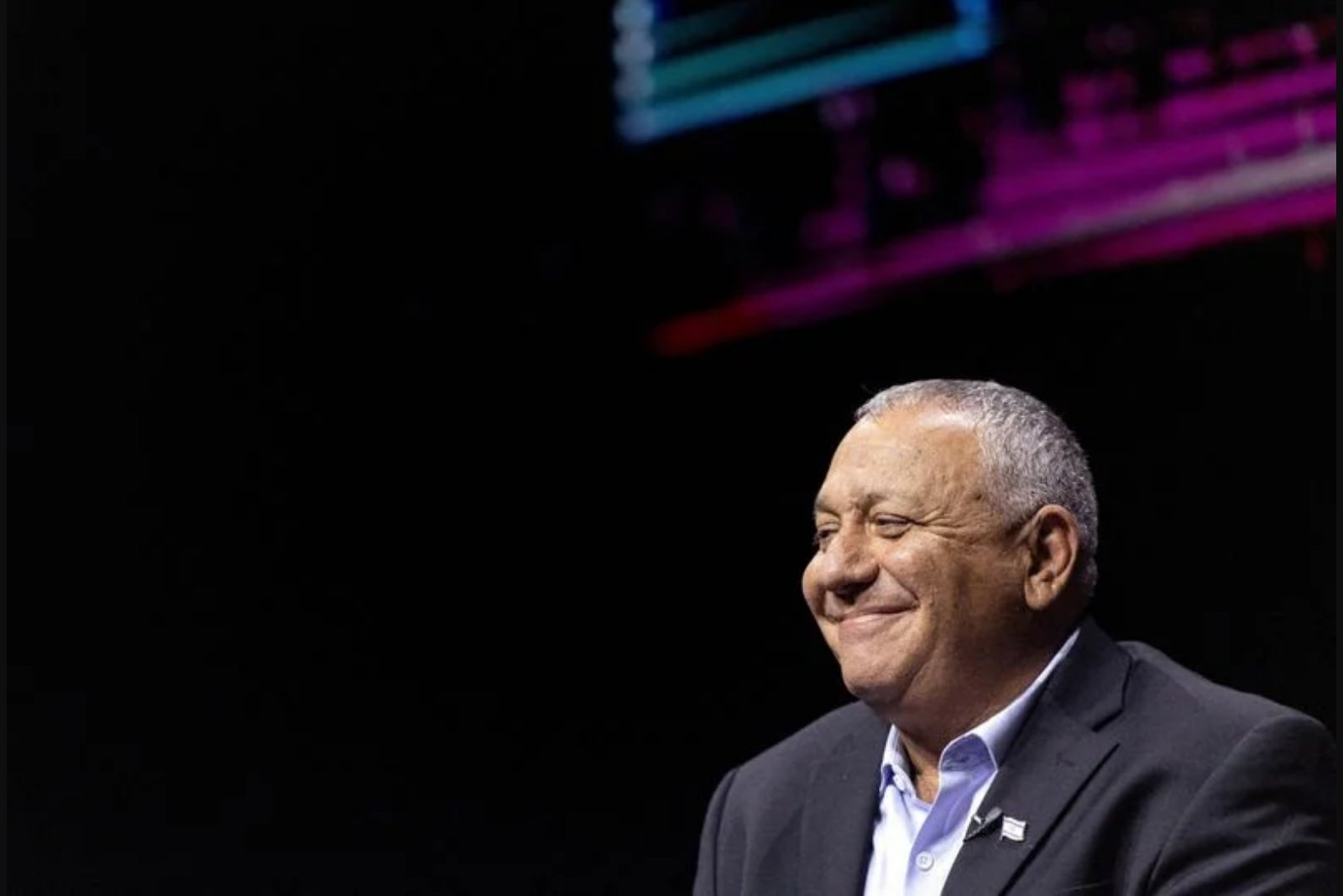
Gadi Eisenkot, the former chief of the Israel Defense Forces and now leader of the Yashar party, has surged in national polls and represents a potentially serious electoral threat to incumbent Prime Minister Benjamin Netanyahu. Eisenkot, 66, who lost a son in the Gaza conflict, has cultivated an image as a straight-talking security hawk and outsider, a contrast to Netanyahu’s long tenure in government and his ongoing legal troubles.
Election context and polling
Israelis are preparing to cast ballots for the first time since the traumatic Hamas attack on October 7, 2023, and the subsequent, intense but inconclusive campaigns in Gaza, Lebanon and against Iran. Public opinion surveys indicate growing dissatisfaction with the incumbents. The new Yashar party - the name means "straight" or "honest" in Hebrew - is projected in polls to win the second-largest bloc of parliamentary seats after Netanyahu’s Likud, with both parties appearing likely to fall well short of an absolute majority.
In Israel’s parliamentary system, where coalition-building is a prerequisite for forming a government, seat counts do not guarantee an outcome. Polls suggest Yashar may have an advantage in terms of coalition potential because it could be acceptable to a wider array of parties across Israel’s political spectrum than Likud. No official election date has been announced, though the vote must be held by late October.
Security credentials and policy stance
Eisenkot’s appeal is grounded primarily in his record as a military commander and his reputation on national security issues. As a leading IDF figure during the 2006 conflict with Hezbollah, he developed and later defended a deterrent approach that called for overwhelming responses to militant attacks, including strikes that targeted infrastructure used by adversaries. That tactic came to be associated with heavy bombardment of the Dahiyeh area of Beirut - the southern suburbs and a Hezbollah stronghold - and Eisenkot himself has described the practice as implementing a "Dahiyeh doctrine" through "disproportionate strikes."
He has been explicit about his unwillingness to yield to international pressure that he perceives as constraining Israeli military options. At a recent conference he said the military should be free to strike Hezbollah anywhere in Lebanon and criticised a ceasefire that he said had been demanded by U.S. President Donald Trump, calling the result an "insane reality" that limited Israel’s operational freedom.
Despite serving briefly in the war cabinet overseeing operations in Gaza, Eisenkot has accused Netanyahu of conceding too readily to U.S. calls for a ceasefire in Lebanon while trying to address Iran-related threats. He has also dismissed calls for a Palestinian state as "irrelevant." Observers note that his hardline posture on Gaza, Lebanon and Iran is likely to sustain a hawkish regional policy should he gain office, preserving many of the security orientations that have drawn criticism from some Western partners and contributed to a decline in Israel’s popularity in the United States.
Personal background and electoral appeal
The son of Moroccan immigrants, Eisenkot has won growing support among Israeli voters of Middle Eastern and North African Jewish, or Mizrahi, heritage. That demographic has historically been a core component of Netanyahu’s base, and Eisenkot’s rise suggests shifting dynamics within that electorate.
He rose through the IDF ranks to become chief of staff from 2015 to 2019, and his military credentials continue to resonate widely in a country where national service is broadly shared. His family’s personal losses - his son Gal Meir, 25, was killed in Gaza in December 2023 and two of his nephews also died in the conflict - have added a poignant dimension to his public profile, connecting with voters who have endured nearly three years of sustained fighting and the deaths of hundreds of soldiers.
Eitan Shamir, director of the Begin-Sadat Center for Strategic Studies at Bar-Ilan University, commented on Eisenkot’s appeal, saying he "comes across as a genuine person" who seems relatable and not like a career politician. That kind of personal authenticity is part of his political brand.
Political positioning and coalition prospects
Although positioned on the right in terms of security policy, Eisenkot is viewed by many as a centrist in the broader political landscape. He has signalled a willingness to partner with left-leaning parties and supports a policy of conscripting both Arab citizens and ultra-Orthodox Jews into the military with only limited exemptions. Eisenkot entered electoral politics relatively recently, winning a seat in parliament in 2022 as an independent. After the October 7 assault he joined the government’s war cabinet for eight months before resigning and publicly criticising Netanyahu’s leadership.
His Yashar party has gained momentum in the run-up to the campaign, climbing in opinion polls over recent weeks. This surge has put pressure on Netanyahu’s political apparatus and raised questions about whether Likud can reassemble a coalition strong enough to return him to the premiership.
Yet some analysts caution that the outcome is still uncertain. Tamar Hermann, a political scientist and senior fellow at the Israel Democracy Institute, noted that Netanyahu has shown an ability to recover politically in difficult circumstances, describing him as "like a political Houdini" who manages to find a path out of seemingly intractable situations.
Implications and outlook
A victory by Eisenkot would not necessarily signal a moderation of Israel’s regional posture. His stated positions and military record indicate continuity on many of the hardline policies that have shaped Israel’s recent conduct in Gaza, Lebanon and in relation to Iran. The central uncertainties now are the timing of the vote, precise seat distributions, and whether any party can assemble a coalition commanding a parliamentary majority.
Note: This article reports on public statements, polling trends and known biographical details of a political figure. It does not speculate on events beyond the information presented and remains constrained to the verifiable facts provided.