
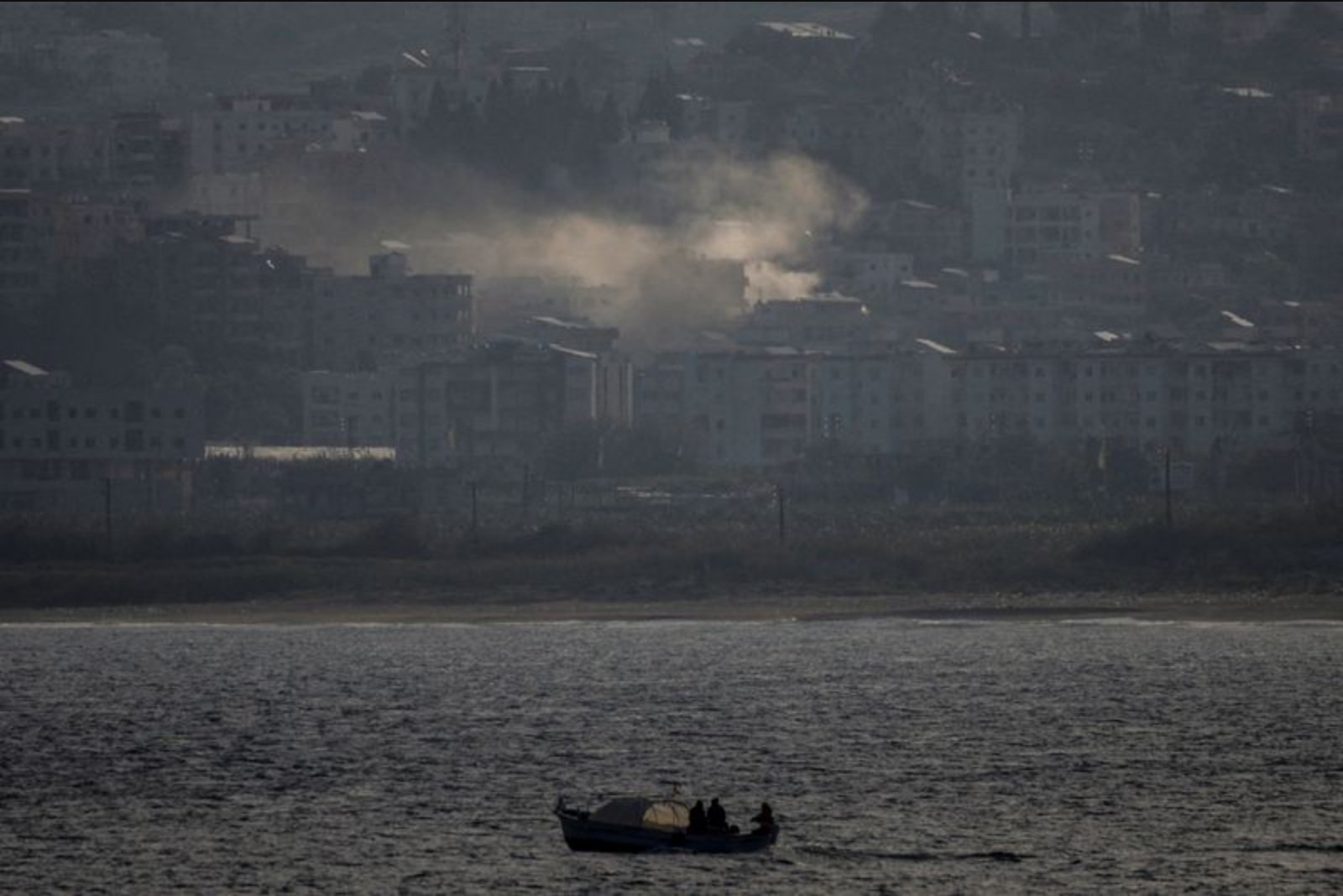
Hassan Abu Khalil survived six weeks of cross-border fighting in southern Lebanon only to lose nearly his entire extended family in the final minutes before a truce took effect. The 36-year-old was outside speaking with friends just before midnight when a U.S.-brokered ceasefire between Lebanon and Israel was scheduled to halt hostilities that have persisted since March 2.
Abu Khalil described hearing "a very powerful strike" and returning to find the multi-storey building that housed relatives reduced to rubble. "In this building, more than 13 members of my family are missing under the rubble. What then, Israel? Just before the ceasefire, it was one massacre after another against us," he said as a bulldozer worked through the debris in the southern Lebanese port city of Tyre.
Later on Friday, Lebanon's state news agency reported that rescue teams had recovered 13 bodies from the site. Teams also extracted 35 wounded survivors from the ruins and said 15 others remained unaccounted for after the strike that struck late on Thursday.
The Israeli military did not immediately respond to a request for comment on the incident.
Casualties and wider toll
Lebanon's health ministry provided a broader tally for the confrontation between March 2 and the day the ceasefire took effect, saying 2,294 people had been killed. The ministry's figures include 177 children and 274 women among the dead.
Return to the south
On the first day of the ceasefire thousands of residents moved through Tyre en route to their villages in the south. Many crossed a dirt berm that Lebanese soldiers had erected over the remains of a main bridge, which officials said was destroyed by Israeli strikes earlier on Thursday.
For some, returning was a relief despite widespread destruction to homes and infrastructure. For Abu Khalil, the day brought a fog of grief and shock. He said he spent the first day of the ceasefire at the wreckage, unable to eat or sleep, standing beside a bulldozer and watching rescuers probe a gaping opening where his relatives had lived.
"Since the strike, I've been here and haven't gone anywhere. Every time they pull someone out, we run over to see what happened, who it is - my friend I grew up with, my friend's mother, my friend's father," he said. He added that he had been living in the United Kingdom and returned to Lebanon to be with his extended family.
"Who is left? No one is left. I wish I had never gone out for that coffee and had stayed with them," he said. "My future is gone here. This was my life, this was my family - what now? What more is there after this?"
Immediate aftermath and relief operations
Rescue teams continued to work through the ruins of the struck building as relatives and neighbours gathered to learn the fate of those trapped. Local workers used heavy machinery to clear concrete and search for survivors or bodies amid a scene of collapsed walls and twisted metal.
Authorities and rescue crews provided the casualty and wounded figures reported on Friday, while the fate of the 15 people still listed as unaccounted for remained unclear in the immediate aftermath.
The strike that killed Abu Khalil's relatives came in the hours before a truce was due to take effect and added to the human toll recorded by Lebanese officials over the course of the fighting. The Israeli military's lack of immediate comment on the incident leaves questions about the circumstances of the strike unresolved.