
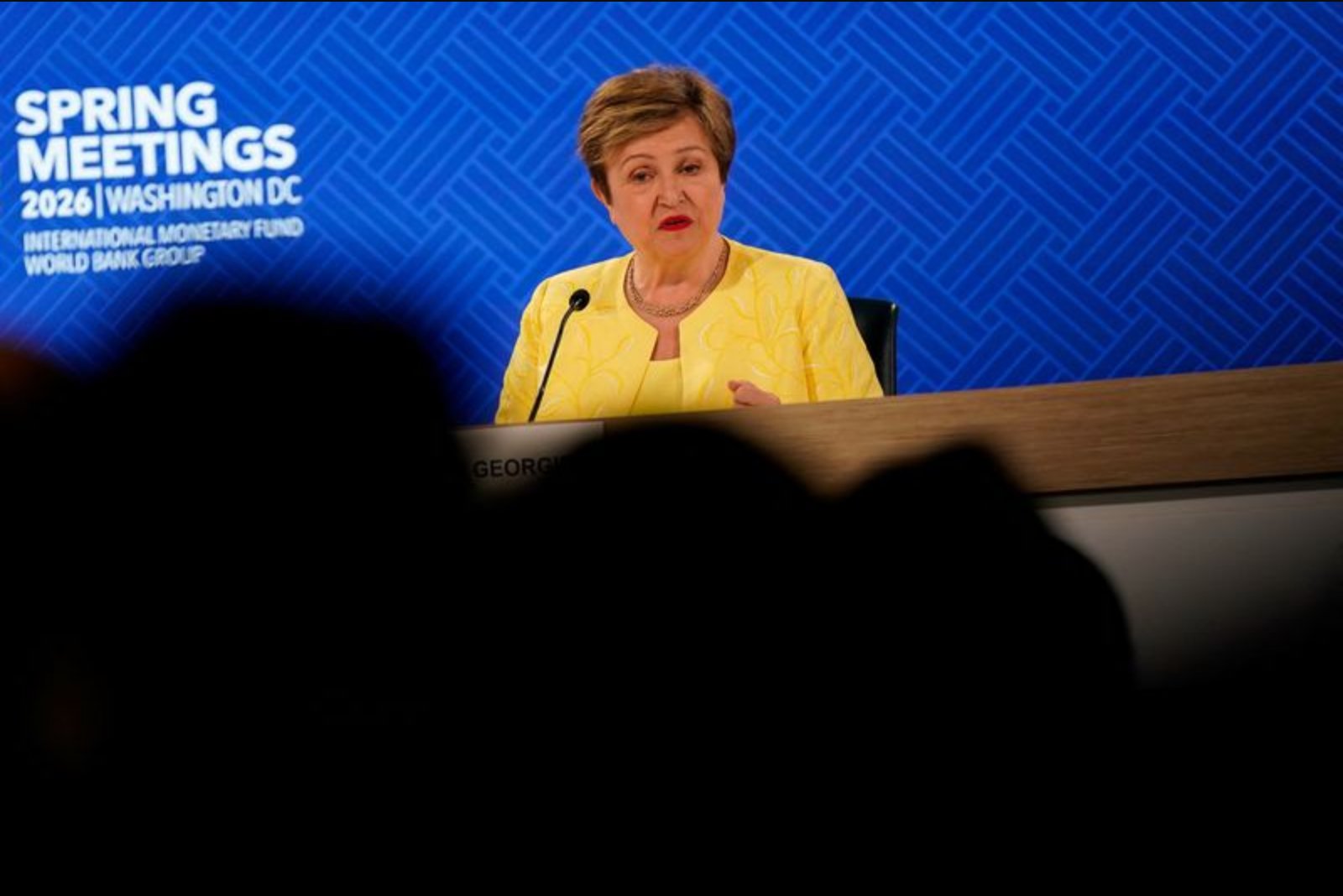
The International Monetary Fund indicated it is likely to offer Venezuela a structured financial support program as part of a re-engagement with the government, provided certain conditions are met, IMF Managing Director Kristalina Georgieva said at a press briefing in Washington.
Georgieva said the IMF is prepared to put together a staff team to begin direct work with Venezuelan authorities, even as she cautioned that the nation confronts "a very tough road" to re-establish macroeconomic and financial stability.
Announcing the institution's renewed engagement with Caracas after a hiatus in formal dealings, Georgieva noted that the IMF had not acted with Venezuela since March 2019 and that the Fund has not completed a full economic assessment of the country since 2004. "After a seven-year-long pause, we are committed to actively engaging with Venezuela, to do our part to help the country achieve macroeconomic and financial stability, to help the people of Venezuela to see better days," she said.
Before any program can be put in place, the IMF has identified a set of immediate priorities. The top task is addressing the shortcomings in Venezuela's economic statistics. IMF officials have contacted the country's finance ministry, central bank and national statistical agency to begin work because, as Georgieva put it, "data adequacy falls very short and you can’t make good decisions if you don’t have good data." The Fund views accurate, timely data as a prerequisite for designing and monitoring any potential financial support.
Beyond data, the IMF highlighted the need for capacity-building to strengthen Venezuela's economic institutions. Georgieva said authorities in Caracas have engaged constructively and are showing "good faith," a dynamic the Fund said is essential if technical assistance and policy support are to be effective.
Georgieva also said the IMF will coordinate closely with other multilateral lenders, specifically the World Bank and the Inter-American Development Bank, to provide aligned support that amplifies overall impact.
Market reaction to the IMF announcement was immediate. Prices for Venezuelan sovereign debt and bonds tied to the state-owned oil company moved higher on the day the Fund said it was re-engaging, a development that followed the reported ousting of the country’s former president, Nicolas Maduro, by the U.S. in January. Venezuela’s 2023 note climbed 4.1 cents to 51.25 cents on the dollar, reaching its highest level since 2017, while PDVSA’s 2021 bond gained 2.9 cents to 47 cents.
While the IMF signaled readiness to provide program support, Georgieva underscored that concrete progress will depend on Venezuela meeting the conditions the Fund has identified, including improved data integrity and stronger institutional capacity. The Fund’s next steps include deploying staff to begin technical work and continuing coordination with other development institutions as part of an effort to help stabilize Venezuela’s macroeconomic environment.