
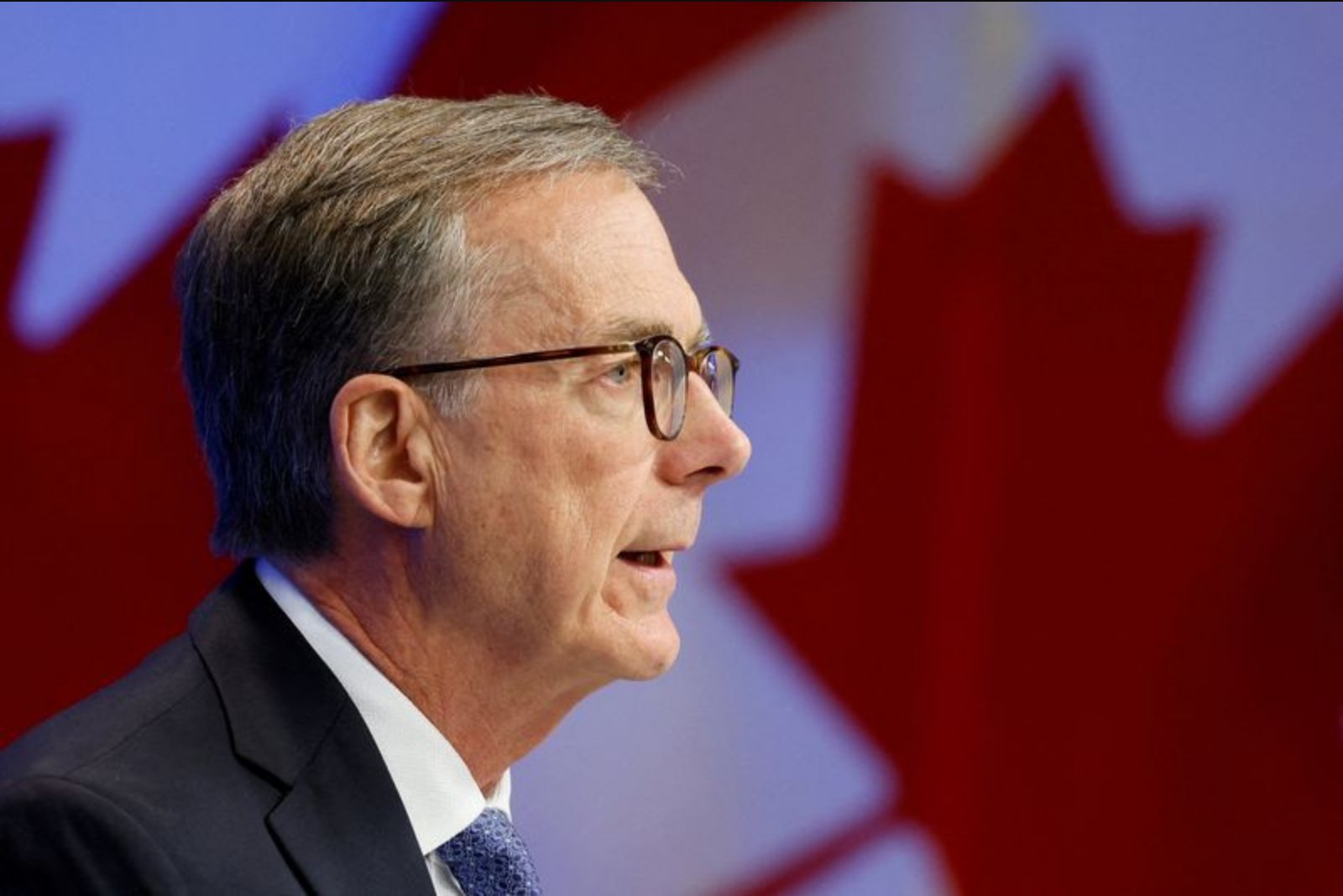
Bank of Canada Governor Tiff Macklem told journalists that the central bank expects a short-term rise in inflation and is not particularly alarmed by a corresponding uptick in near-term inflation expectations. He delivered his remarks on Friday during a call from Washington while attending meetings on the sidelines of the IMF gatherings.
Macklem cited March inflation data, due on Monday, as likely to show an increase. "It’s certainly going to go up," he said with regard to the upcoming figures. He flagged that an increase in one-year inflation expectations would not itself trigger concern at the Bank of Canada.
At the same time, Macklem stressed that the central bank would be worried if inflation expectations for the medium- to long-term remained elevated. He said that people had become more sensitive to price pressures after inflation climbed above 8% four years ago, and that expectations can shift more rapidly as a result. If households and businesses do not expect inflation to return to the 2% target soon enough after a spike, that would be troubling, he added.
Money markets have been volatile over the prospect of further policy tightening, alternating between pricing in a 25 basis point rise and a 75 basis point increase in interest rates this year. The swings in expectations have been driven in part by concerns about the war in Iran and its potential impact on oil and natural gas supplies, which market participants fear could push energy prices higher.
Economists cited by Macklem and others expect higher oil prices to feed through into pump prices, and they anticipate upward pressure on food costs as well. Those near-term price effects are part of what underlies the expected increase in the March inflation reading.
Separately, Macklem warned that the newest large language models, including Anthropic’s model Mythos, may accelerate the discovery and exploitation of cybersecurity vulnerabilities. He said that creates a premium on maintaining a mature cybersecurity posture and noted ongoing engagement between various levels of government and the U.S. administration on these risks.
The Bank of Canada will publish its Business Outlook Survey on Monday, which will shed light on business inflation expectations across one-year and three- to five-year horizons. The central bank’s next decision on interest rates is scheduled for April 29.
Contextual note - Short-term inflation expectations refer to a one-year horizon; medium- to long-term expectations cover a three- to five-year period. The BoC is monitoring both horizons for signs of persistent shifts.