
World April 23, 2026 12:04 PM

Argentina Bars Accredited Reporters from Casa Rosada After 'Smart Glasses' Footage Sparks Espionage Claim

Government removes fingerprint access for journalists citing an 'illegal espionage' complaint after local TV broadcast alleged smart-glasses recording

By Hana Yamamoto
Argentina Bars Accredited Reporters from Casa Rosada After 'Smart Glasses' Footage Sparks Espionage Claim

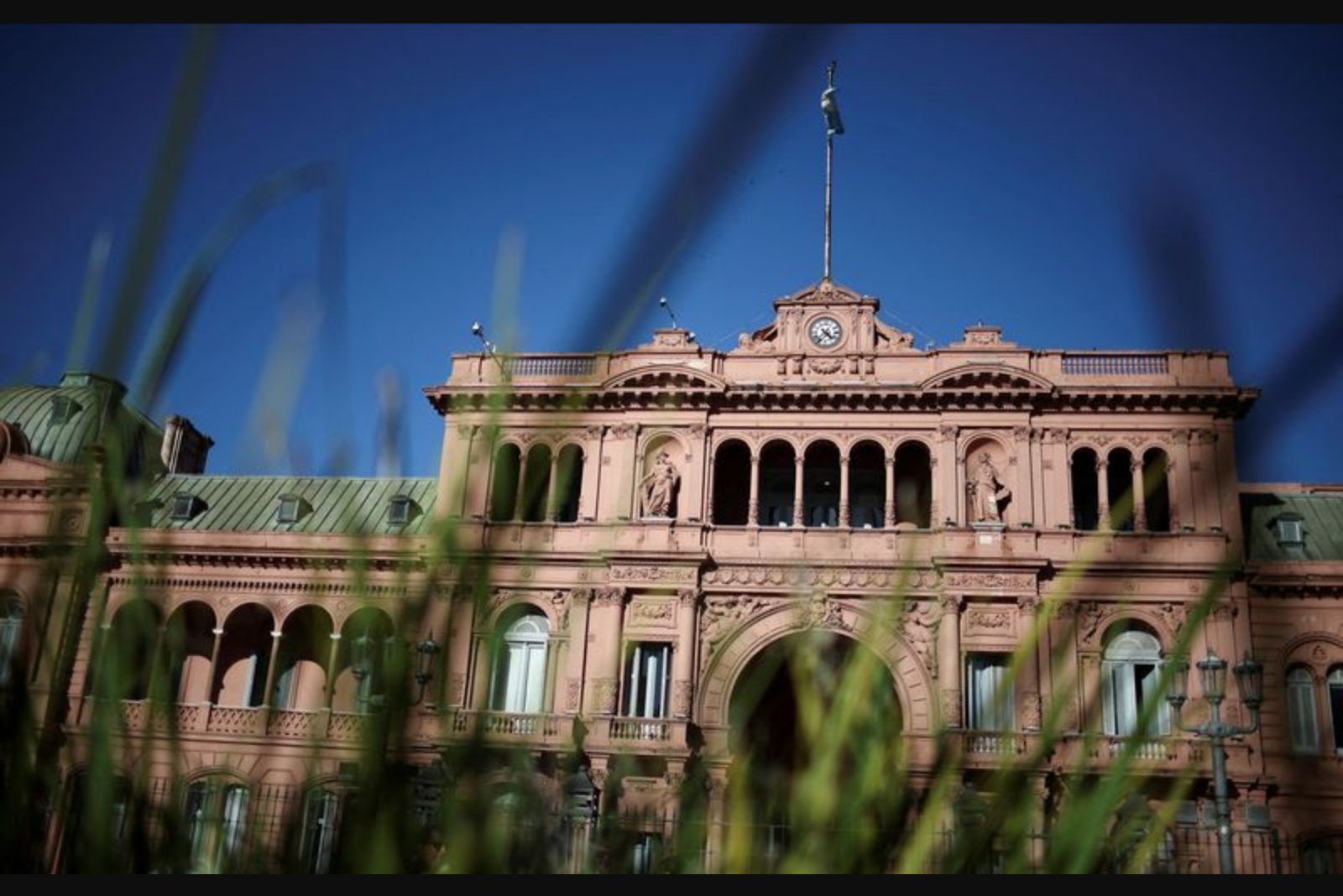
Argentina's presidential communications office temporarily revoked accredited journalists' fingerprint access to the Casa Rosada following a security complaint tied to footage broadcast by a local television network that it said was recorded with smart glasses. The government described the action as a preventative measure to protect national security; accredited reporters and press‑freedom advocates view the move as an unjustified restriction on journalism.

Key Points

  • The administration revoked journalists' fingerprint access to Casa Rosada after a security complaint citing "illegal espionage" - impacting media operations covering the executive branch.
  • A Reuters journalist was unable to enter the presidential palace on the morning of the access restriction - affecting day-to-day press coverage of government briefings and events.
  • Accredited reporters called the move "unjustified," framing it as an attack on press freedom; press‑freedom organisations have warned of deteriorating relations between the government and media since December 2023. Sectors impacted include media and communications, as well as public-information flows relevant to political risk assessment.

BUENOS AIRES, April 23 - Argentina's national government denied entry to accredited members of the press at the Casa Rosada on Thursday, citing a security incident it described as "illegal espionage" after a local television channel aired footage it said had been captured with computer-enabled smart glasses.

Communications director Javier Lanari announced the measure on the social platform X, saying that fingerprint access for journalists had been withdrawn as a "preventative measure" in response to a security complaint. Lanari said the step was intended to protect state security, and reiterated that it was taken as a precaution.

A Reuters journalist who normally covers events and press briefings from inside the presidential palace reported being unable to enter the Casa Rosada on Thursday morning. The building is the venue for many government press conferences and is a base for reporters accredited to the executive branch.

President Javier Milei publicly attacked two television reporters after the channel TN aired a package that included footage the network said was recorded with smart glasses. Milei posted a photo of the two journalists and labelled them "DISGUSTING TRASH" in his post. He added a wider invective directed at credentialed journalists, writing: "I would love to see those filthy scum who carry journalist credentials, (95%) come out to defend what these two criminals did." The TN report included an image showing cabinet chief Manuel Adorni walking through the Casa Rosada.

Accredited reporters assigned to the presidential palace issued a statement denouncing the government's decision as "unjustified," saying the denial of access appears to be an explicit attack on press freedom, the practice of journalism, and the public's right to information.

Relations between the Milei administration and the media have been confrontational on multiple occasions. Press‑freedom organisations have warned that tensions have worsened since Milei assumed office in December 2023, citing a pattern of public disputes between the president and journalists across social media and interviews.


Context and immediate measures

  • The government removed fingerprint access for accredited Casa Rosada journalists as a "preventative measure" after a security complaint alleging "illegal espionage."
  • A Reuters correspondent was prevented from entering the presidential palace on Thursday morning.
  • The dispute intensified after TN broadcast footage it said was recorded with smart glasses showing a senior official inside Casa Rosada; President Milei publicly denounced the reporters involved.

Risks

  • Restriction of accredited journalists' access could further strain relations between the government and media, creating uncertainty for the media sector and potentially affecting information flow to markets and the public.
  • The government's invocation of a security complaint and removal of biometric access raises legal and operational questions about the balance between national security and press freedom, which could attract scrutiny from civil society and rights groups - impacting political and regulatory risk assessments.
  • Escalation of public hostilities between the president and reporters may lead to further access denials or confrontations that disrupt routine government communications, introducing volatility in public reporting and transparency relevant to investors and observers of Argentine governance.

More from World

U.S. Sanctions Cambodian Senator Kok An and 28 Associated Individuals and Entities Over Romance Scam Network Apr 23, 2026 USDA to Shift Research and Food-Safety Personnel Out of Washington Region Apr 23, 2026 Sheinbaum to Nominate Economist Roberto Lazzeri as Mexico’s Ambassador to the United States Apr 23, 2026 Rising Fuel Costs Linked to Iran War Force Aid Groups to Scale Back Global Assistance, NRC Says Apr 23, 2026 EU Leaders to Clarify Mutual-Defense Clause Amid NATO Uncertainty Apr 23, 2026