
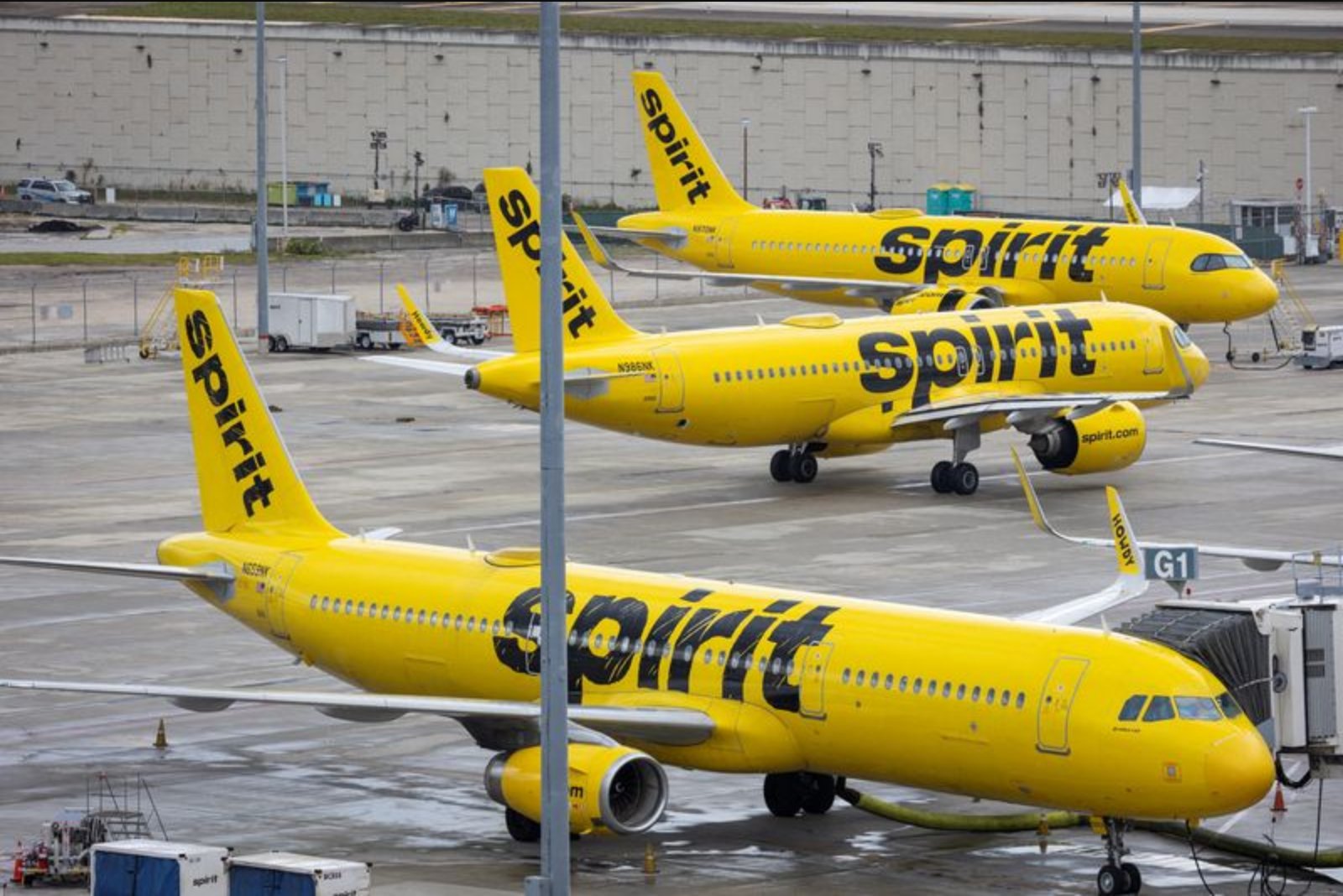
Summary: The U.S. government is considering invoking the Defense Production Act (DPA) as a statutory basis to supply financing to Spirit Airlines as it seeks to emerge from bankruptcy. The proposal under review by the airline's creditors reportedly would provide $500 million in senior debtor-in-possession financing and include a condition that the government receive warrants representing 90% of Spirit's equity. Spirit's counsel has warned the carrier requires fresh liquidity or access to cash by the end of next week, and parties are scheduled to appear at a court hearing next week to negotiate a bankruptcy exit plan.
The administration is exploring whether Title 3 of the DPA - which allows the federal government to invest in industrial capacity to secure defense-related supply chains - could serve as the legal framework for supporting the Florida-based budget carrier. Title 3 authorities include the ability to make loans to private firms for purposes connected to national defense and to require companies to prioritize federal contracts and expand production of critical goods.
White House spokesman Kush Desai said the administration "continues exploring possible options to ensure the airline remains in operation for its passengers and employees," while noting that reporting about the mechanism or structure of any financing should be treated as speculation. President Donald Trump confirmed his team was examining a potential purchase of the distressed airline, saying the administration was looking at buying the company at the "right price" and adding, "When the price of oil goes down, we would sell it for a profit."
According to counsel involved in the process, the administration has put forward a financing offer intended to help Spirit exit bankruptcy. That term sheet - which has been reviewed by creditor counsel - is reported to include $500 million in financing and a requirement that the government obtain warrants equal to 90% of the airline's equity. The proposed structure would take the form of senior debtor-in-possession financing to support Spirit's plan to emerge from its second bankruptcy restructuring since 2025.
Spirit's own lawyer has said the carrier is running short on time. The company needs either new financing or access to its existing cash by the end of next week to avoid immediate liquidity strain. A court hearing has been scheduled for next week where lawyers for the airline and its creditors will attempt to reach agreement on a bankruptcy exit plan.
The DPA is emergency authority normally used to ensure the production and prioritization of goods and services important to national defense, but it also contains provisions that permit direct loans to private-sector firms where such lending is tied to defense objectives. The administration's consideration of Title 3 as a vehicle for airline support underscores the limited options available to preserve operations while a restructuring is negotiated.
Given the information available, the parameters under discussion include both debt financing and a significant equity conversion feature via warrants. The combination would aim to provide immediate liquidity - through senior debtor-in-possession financing - while securing a substantial government stake as a condition of the support. Negotiations between Spirit, its creditors, and government representatives are moving toward a near-term decision point, constrained by the carrier's stated funding deadline and the upcoming court appearance.
Key points
- The administration is considering invoking Title 3 of the Defense Production Act as a legal basis to finance Spirit Airlines' bankruptcy exit.
- The term sheet under review reportedly includes $500 million in financing and warrants equal to 90% of Spirit's equity, structured as senior debtor-in-possession financing.
- Immediate timing pressures: Spirit needs new financing or access to cash by the end of next week, with a court hearing set for next week to resolve a bankruptcy exit plan.
Risks and uncertainties
- Creditor approval - Creditors must review and accept the government's term sheet; failure to agree could jeopardize the proposed financing and Spirit's ability to exit bankruptcy. This impacts the airline and credit markets tied to restructuring outcomes.
- Legal and statutory fit - Using Title 3 of the DPA for airline financing raises questions about the permitted scope of the authority and could present legal or procedural hurdles that affect the speed and viability of the support. This affects federal policy implementation and the airline sector.
- Near-term liquidity deadline - Spirit's stated need for new financing or access to cash by the end of next week creates a narrow window for negotiation, increasing the potential for operational disruption if funding is not secured. This impacts passengers, employees, and short-term aviation operations.
Given the current public statements and the reported term sheet details, stakeholders will be watching creditor deliberations and the upcoming court hearing for concrete steps toward a restructuring resolution. The administration's dual focus on preserving operations for passengers and employees, and on structuring financing with significant government protections, frames the immediate negotiations.